
Peru Captivates Soulful Adventurers During Inti Raymi Festivities Connecting Cusco And Sacred Valley Dawn Travel, Find Out Now
Peru Captivates Soulful Adventurers During Inti Raymi Festivities Connecting Cusco And Sacred Valley Dawn Travel, Find Out Now

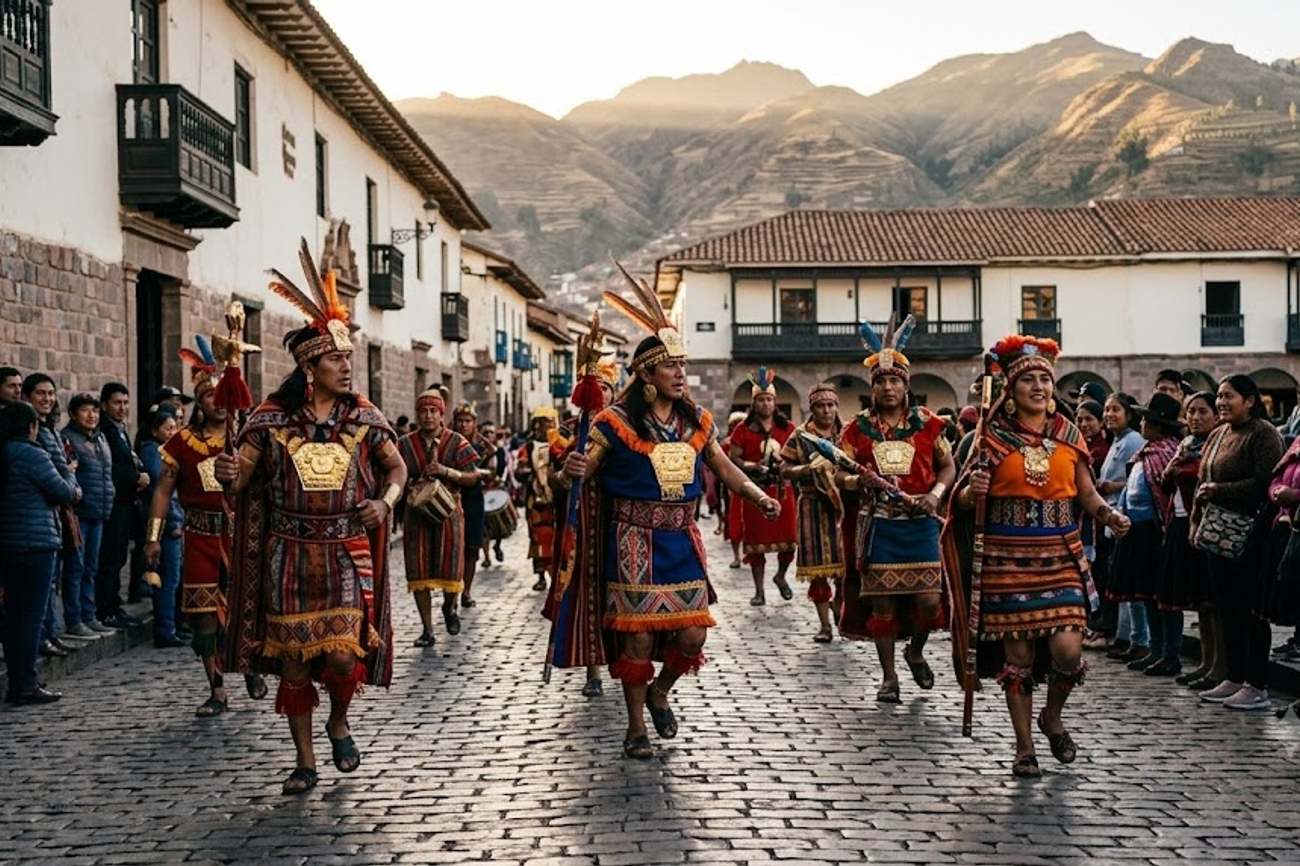
Image generated by AI
[Lima, May 2024] — Peru is aggressively restructuring its high-value tourism sector through the implementation of curated heritage expeditions designed to shift global travel patterns from passive sightseeing to immersive cultural engagement.
The initiative, centered on the Andean highlands and the capital city of Lima, integrates advanced transit infrastructure with strict visitor management protocols to protect sensitive archaeological sites. By prioritizing "educational depth" over traditional leisure, the Peruvian tourism framework aims to distribute economic benefits directly to indigenous communities while utilizing new hybrid transit technology to reduce the environmental footprint of high-altitude travel.
The Shift to High-Value Cultural Itineraries
The transition is driven by a global surge in demand for authentic indigenous interactions. Industry leaders are moving away from conventional mass-tourism models in favor of structured group journeys. These programs are designed to regulate visitor flow, thereby shielding fragile archaeological environments from degradation.
This strategic pivot serves a dual purpose: it elevates the standard of international tourism and creates a sustainable economic engine for regional infrastructure. By focusing on high-value, low-impact itineraries, Peru is establishing a new global benchmark for how sovereign nations can monetize ancestral heritage without sacrificing the integrity of the sites.
Impacted Regions and Key Sites
The current operational framework focuses on a specific corridor of historical and natural significance. The following table outlines the primary zones of impact:
| Region | Primary Sites | Core Focus |
|---|---|---|
| Lima | Plaza Mayor, Casa de Aliaga, Lima Cathedral, Larco Museum | Colonial architecture and ancient artifacts |
| Cusco | Qorikancha (Temple of the Sun), Sacsayhuaman | High-altitude acclimatization and urban history |
| Sacred Valley | Chinchero, Moray | Indigenous weaving and agricultural science |
| Machu Picchu | The Stone Citadel | Spiritual significance and architectural preservation |
What This Means for Travelers
For passengers booking trips to Peru, the "corporate" shift toward curated expeditions translates into several tangible changes in the travel experience:
- Mandatory Acclimatization: Travelers can no longer simply "fly and hike." New itineraries mandate synchronized rest stops in lower-elevation sanctuaries like Ollantaytambo and Urubamba. This is a medical necessity; operators report a 40% decrease in altitude sickness cases since implementing these structured pauses.
- Regulated Access: The era of unrestricted wandering at monoliths is ending. Visitors will find themselves in more structured groups with expert guides to ensure the preservation of stone structures.
- Premium Transit: The commute to Machu Picchu now centers on the Vistadome train, blending luxury with panoramic visibility, moving away from basic transit options.
- Direct Community Interaction: Travelers will engage directly with local artisans in Chinchero, meaning a higher percentage of spending goes to the creators rather than third-party agencies.
Infrastructure and Environmental Overhaul
The most significant technical update occurs within the Andean transit systems. Navigating the steep terrain of the Sacred Valley now involves the use of hybrid locomotives. These trains are equipped with acoustic damping technology and automated engine tuning to minimize noise pollution and emissions in sacred valleys.
According to recent data, these engineering upgrades have slashed greenhouse gas emissions by 35% across high-elevation routes. This is a critical move for the Ministry of Foreign Trade and Tourism (MINCETUR) as they attempt to balance the influx of global voyagers with the fragility of the Andean ecosystem.
Furthermore, the logistics of operating in Cusco—which sits at 3,400 meters—have been digitized. New ticketing architectures now automatically link transport schedules with health-based rest intervals, ensuring that the physical toll of the altitude does not compromise the traveler's safety or the site's security.
Economic Redistribution and Sustainability
The financial model of these heritage expeditions is designed to bypass traditional tourism "leakage," where profits leave the host country. By integrating local guides and independent artisans into the core of the high-value itinerary, Peru is ensuring an equitable distribution of revenue.
This economic injection is particularly evident during the Festival of the Sun in Cusco and Sacsayhuaman. During these peak windows, the surge in high-spending, education-focused tourists provides a direct livelihood boost to hospitality staff and indigenous craftsmen. This financial stability encourages the preservation of ancestral traditions that might otherwise be abandoned for more modern, urban labor.
To ensure these sites remain viable for future generations, the UNESCO World Heritage Centre guidelines are being mirrored in the local management of the stone citadels. The focus has shifted from "maximum capacity" to "optimal capacity," ensuring that the physical pressure on the ancient masonry is kept within sustainable limits.
FAQ: Andean Heritage Travel 2024
How is altitude sickness being managed for tourists? Tour operators have implemented mandatory acclimatization stops in Urubamba and Ollantaytambo. By synchronizing digital tickets with these rest periods, there has been a documented 40% reduction in altitude-related medical incidents.
What environmental measures are in place for trains to Machu Picchu? The transit system now utilizes hybrid locomotives featuring automated engine tuning and acoustic damping. These upgrades have reduced greenhouse gas emissions by 35% on high-elevation routes.
How does the "curated" model benefit local Peruvians? The model prioritizes direct engagement with indigenous artisans in places like Chinchero. This ensures tourism revenue is distributed equitably among local guides and craftsmen rather than staying with international agencies.
What is the difference between these expeditions and standard tours? Standard tours focus on passive sightseeing. These curated expeditions prioritize "educational depth," focusing on the scientific expertise of early civilizations (such as the terraces at Moray) and authentic community engagement.
Peru is no longer selling a destination; it is selling a preserved legacy.
#PeruTourism2024 #MachuPicchuTransit #AndeanSustainability #CuscoLogistics #MINCETUR #SustainableHeritage
Related Travel Guides
Disclaimer
This article is for informational and educational purposes only. It does not constitute legal, financial, or professional advice. While we strive to provide accurate and up-to-date information, travel policies, regulations, and conditions change rapidly. Always verify information with official sources before making travel decisions. Nomad Lawyer makes no representations about the accuracy, reliability, completeness, or suitability of the information provided. Readers should consult qualified professionals for advice specific to their circumstances. The views expressed in this article are those of the author and do not necessarily reflect the views of Nomad Lawyer.
Preeti Gunjan
Contributor & Community Manager
A passionate traveller and community builder. Preeti helps grow the Nomad Lawyer community, fostering engagement and bringing the reader experience to life.
Learn more about our team →