
France Aligns With US And Other Nations To Modernize Global Ski Facilities Amid Rising Climate Demands
France Aligns With US And Other Nations To Modernize Global Ski Facilities Amid Rising Climate Demands

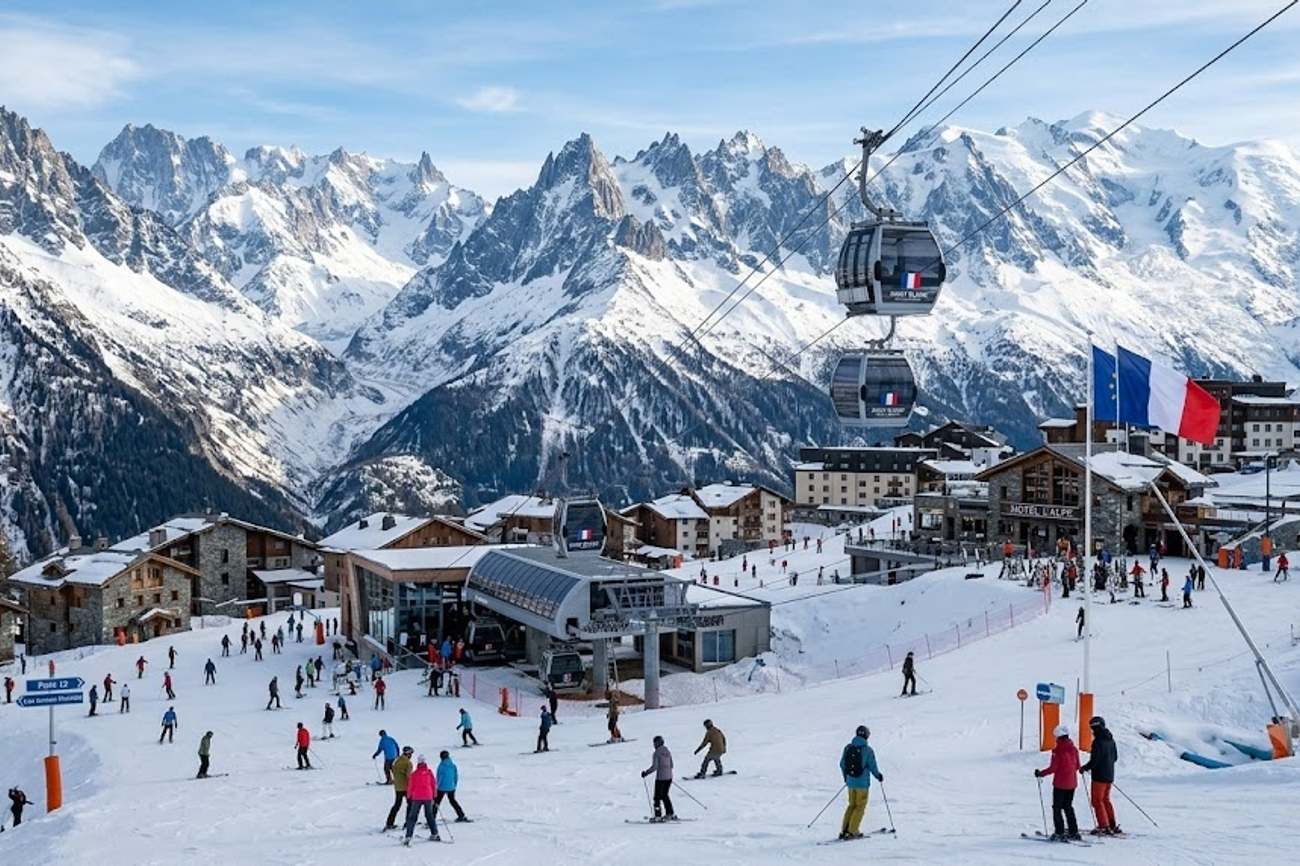
Image generated by AI
Are you planning a winter getaway to the world's premier slopes but worried about fluctuating snow reliability and changing resort access? Navigating the modern alpine landscape now requires more than just a lift ticket; it demands a strategic approach to multi-resort passes, carbon-neutral transit, and climate-adaptive destination planning.
The Global Modernization of Winter Infrastructure
The international winter sports industry is currently undergoing a systemic overhaul to combat diminishing snowpacks across Europe and North America. To safeguard multi-billion-dollar economies, France, the United States, Japan, and Switzerland are implementing a coordinated shift toward climate-adaptive engineering. This transition focuses on three primary pillars: the deployment of eco-friendly snowmaking technologies, the consolidation of resort ownership to stabilize funding, and the integration of sustainable ground transport to reduce the carbon footprint of alpine tourism.
In France, the strategy centers on the "mega-domain" model, where high-altitude networks are interconnected to ensure that skiers can access reliable snow even when lower elevations fail. Meanwhile, the United States has moved toward a corporate consolidation model, where entities like Vail Resorts and Alterra Mountain Company standardize the guest experience through digital ticketing and massive capital investments in high-speed lift networks.
Route and Operational Profiles
The following table outlines the current operational standards and primary characteristics of the four leading global winter destinations.
| Country | Primary Snow Profile | Key Operational Feature | Notable Destination | Status |
|---|---|---|---|---|
| France | High-altitude, glacial/packed | Interconnected mega-domains | Les 3 Vallées | Modernizing |
| United States | Diverse terrain, artificial support | Corporate season pass ecosystems | Vail / Aspen | Expanding |
| Japan | Light, dry, deep powder | Onsen culture & powder hubs | Niseko | Scaling |
| Switzerland | Alpine glacier bowls | Car-free villages & rail integration | Zermatt | Sustaining |
Traveler Logistics Guide
Planning a trip to these modernized hubs requires a different logistical approach than it did a decade ago. Here is the step-by-step breakdown of how to manage your transit and access.
1. Accessing the Slopes: Pass Strategy In the United States, the "Epic" and "Ikon" pass models dominate. To optimize your budget, you must purchase these passes months in advance of the season. These digital passes streamline entry across multiple mountains, removing the need for individual ticket queues. For those visiting France, prioritize "ski-in/ski-out" accommodations within the mega-domains to minimize reliance on local shuttle buses and maximize your time on the slopes.
2. Ground Transport and Last-Mile Connectivity Switzerland offers the gold standard for sustainable transit. When visiting Zermatt, remember that the village is strictly car-free. You should plan your route via the Swiss Federal Railways (SBB) to reach the village outskirts, where electric taxis and shuttles handle the final leg. In Japan, specifically in the Niseko region, rely on pre-booked airport transfers from New Chitose Airport, as local transit links are currently being upgraded to handle surging international footfall.
3. Digital Check-in and Equipment Logistics Most high-end resorts in the US and France now offer digital equipment rentals. To avoid the "rental line" bottleneck, use the resort's mobile app to pre-select your gear specifications. This allows for a "rapid-pick" experience upon arrival. For those traveling to Japan, ensure your gear is compatible with deep powder conditions, as the "Japow" profile requires wider skis or boards than the packed glacial snow found in the French Alps.
4. Customs and Visa Considerations Travelers visiting Japan should utilize the Visit Japan Web portal to expedite immigration and customs procedures, which is particularly helpful during the peak winter rush. For those entering the Schengen Area (France and Switzerland), ensure your passport is valid for at least six months beyond your intended stay.
Regional Connectivity Impact
The shift toward sustainable and consolidated infrastructure is fundamentally changing how travelers move through these regions. The integration of seamless public railway networks with mountain cable car systems in Switzerland has reduced the necessity for rental cars, creating a "hub-and-spoke" model of tourism. This not only preserves alpine air quality but also simplifies the logistics for international travelers who prefer not to drive in snowy conditions.
France is implementing strategic infrastructure upgrades to ensure the long-term viability of its alpine resorts against volatile weather patterns. These initiatives align with sustainability goals promoted by Atout France, the national tourism development agency, to balance luxury tourism with environmental preservation.
In Japan, the blending of Western hospitality standards with traditional onsen (hot spring) culture has created a unique "wellness-transit" hybrid. The investment in local transit links around Hokkaido is designed to move visitors efficiently from high-density powder hubs to smaller, community-based lodges, preventing the over-saturation of a single village.
In North America, the corporate standardization of resort villages means that a traveler can expect a similar level of digital infrastructure and service quality whether they are in Colorado or Utah. This predictability makes it easier for international nomads to plan multi-stop winter itineraries without needing to research the specific amenities of every individual mountain.
FAQ: Global Ski Logistics 2026
Do I need a car to visit Swiss ski resorts? No. Many premier destinations, such as Zermatt, are car-free. The most efficient method is using the national rail network to reach the village, followed by electric shuttles.
How do corporate season passes work in the US? Companies like Vail and Alterra offer passes (Epic/Ikon) that grant access to a wide portfolio of resorts. These are digital and should be purchased well before the winter season starts.
What is the best way to handle gear in Japan? Due to the deep powder in Niseko, specialized wide gear is recommended. Many travelers use luggage forwarding services from the airport to their hotel to avoid hauling heavy skis on public transit.
Are French mega-domains easier to navigate than single resorts? Yes, because they are interconnected. Once you are on the lift system in a place like Les 3 Vallées, you can access vast territories without needing to return to your base village.
The future of the slopes depends on our ability to move sustainably.
#Les3Vallées #NisekoPowder #ZermattTransit #VailResorts #AlpineLogistics2026 #SustainableSkiing
Related Travel Guides
Disclaimer
This article is for informational and educational purposes only. It does not constitute legal, financial, or professional advice. While we strive to provide accurate and up-to-date information, travel policies, regulations, and conditions change rapidly. Always verify information with official sources before making travel decisions. Nomad Lawyer makes no representations about the accuracy, reliability, completeness, or suitability of the information provided. Readers should consult qualified professionals for advice specific to their circumstances. The views expressed in this article are those of the author and do not necessarily reflect the views of Nomad Lawyer.
Raushan Kumar
Founder & Lead Developer
Full-stack developer with 11+ years of experience and a passionate traveller. Raushan built Nomad Lawyer from the ground up with a vision to create the best travel and law experience on the web.
Learn more about our team →