
Canada’s Popular Bruce Peninsula Campground Closed for Fall After Fear Breaks Out
Canada’s Popular Bruce Peninsula Campground Closed for Fall After Fear Breaks Out

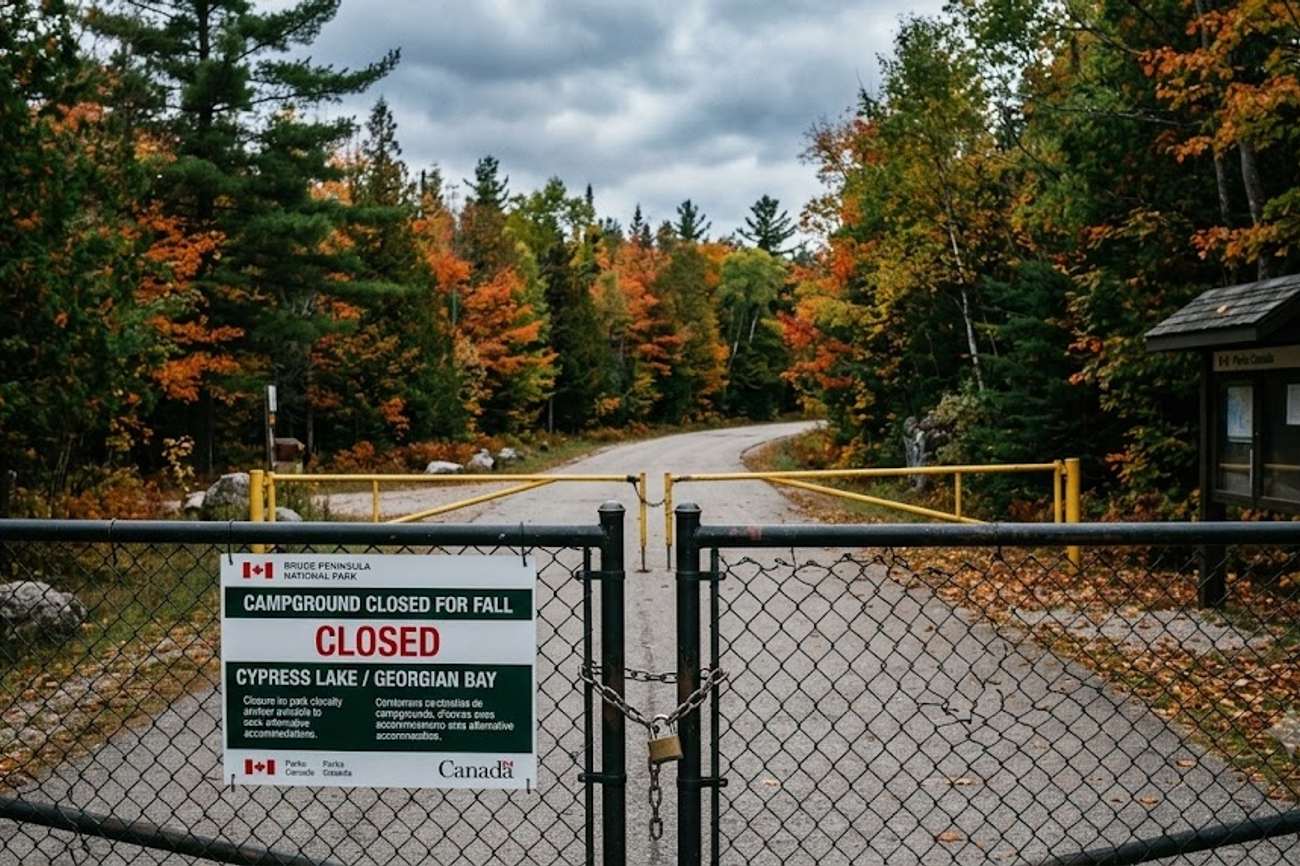
Image generated by AI
While national park visitation across North America has seen a steady post-pandemic climb, the sudden closure of Cyprus Lake Campground for the remainder of the 2026 fall season highlights a volatile intersection between record-breaking tourism and wildlife management. This operational shutdown, triggered by a single food-conditioned black bear, represents a significant disruption to the Bruce Peninsula National Park's autumn capacity, shifting the park's risk profile from "managed coexistence" to "public safety emergency."
The Wildlife Conflict in Numbers: Cyprus Lake 2026
The current operational crisis at Cyprus Lake is not a random occurrence but the result of a specific behavioral pattern identified by Parks Canada. The agency has pinpointed one single black bear as the primary catalyst for the closure. This bear has undergone "food-conditioning," a process where wildlife associates human-populated zones with high-calorie rewards.
The timeline of the escalation reveals a rapid shift in risk assessment:
- Initial Intervention: A temporary closure was first implemented over the Labour Day long weekend.
- First Extension: The closure was pushed to September 11.
- Final Fall Decision: Parks Canada has now cancelled all remaining camping reservations for the 2026 fall season.
- Tentative Recovery Date: The campground is scheduled to reopen on November 1, though this remains subject to behavioral monitoring of the animal.
This decision removes a critical volume of overnight capacity from one of Ontario's most visited natural landmarks. The closure is designed specifically to break the bear's association with human attractants and force a return to foraging for natural food sources. According to data patterns tracked by the World Tourism Organization (UNWTO), the increase in "nature-based tourism" often leads to higher frequencies of human-wildlife conflict if infrastructure and visitor education do not scale at the same rate as foot traffic.
Regional Risk Benchmarks and Capacity Shifts
When comparing the Bruce Peninsula incident to broader North American park trends, we see a pattern of "attractant-driven closures." In many high-traffic parks, the shift from "bear-aware" to "bear-conditioned" happens when a critical mass of visitors fails to adhere to rubbish-management protocols. Parks Canada has explicitly attributed this 2026 closure to the failure of both visitors and residents to prevent the bear from accessing food and rubbish.
The following table illustrates the operational impact of this closure compared to standard autumn park operations:
| Metric | Standard Fall Operation (Pre-Closure) | Current Fall 2026 Status | Variance |
|---|---|---|---|
| Cyprus Lake Availability | 100% Reservation Capacity | 0% Capacity | -100% |
| Safety Protocol | Standard Wildlife Advisories | Full Site Exclusion | High Escalation |
| Revenue Flow | Full Booking Retention | Full Refund Issuance | Negative |
| Bear Interaction Risk | Low/Managed | High/Public Safety Concern | Critical |
| Reopening Target | N/A | November 1 (Tentative) | TBD |
This shift mirrors trends seen in other high-density wildlife zones. Data from Statista suggests that as domestic travel shifts toward "off-the-beaten-path" experiences, the pressure on protected areas increases, often leading to temporary closures to prevent permanent wildlife relocation or euthanasia. The Bruce Peninsula, famous for the Grotto and Lake Huron vistas, is experiencing this pressure in real-time.
Practical Traveler Advisory and Strategic Insights
For those planning visits to Ontario's national parks in the latter half of 2026, the Cyprus Lake closure serves as a data point for broader booking volatility. The immediate impact is the loss of on-site accommodation, which will likely drive a surge in demand for nearby private rentals and B&Bs in the Bruce Peninsula region.
Actionable Booking Advice:
- Diversify Accommodation: If you have a reservation at Cyprus Lake for the remainder of the 2026 fall season, assume it is void. Do not rely on the November 1 reopening date for critical planning, as Parks Canada has labeled it "tentative."
- Audit Your Gear: The cause of this closure—food-conditioning—is a warning to all campers. Ensure you are using bear-resistant containers and strictly following the International Air Transport Association (IATA) or local government guidelines regarding the transport of attractants into protected zones.
- Monitor Official Channels: Because this closure is based on a "public safety assessment," changes can happen overnight. Check official Parks Canada alerts 48 hours before arrival.
- Shift Expectations: With the campground closed, day-use traffic may increase as overnight guests pivot to day trips, potentially leading to higher congestion at the Grotto and other key landmarks.
Projecting the 2027 Wildlife Management Trajectory
Based on the current trajectory, we can expect Parks Canada to implement more stringent "attractant audits" heading into the 2027 season. When a single animal can shut down an entire campground for a season, the economic and operational cost becomes too high for the agency to ignore.
We are likely to see three primary shifts:
- Infrastructure Hardening: An increase in the installation of permanent, bear-proof waste receptacles and food lockers across all Bruce Peninsula sites.
- Stricter Enforcement: A move from "advising" visitors on food storage to actively fining those who leave attractants exposed.
- Dynamic Closure Models: The use of real-time wildlife tracking data to implement "micro-closures" of specific trails or loops rather than entire campgrounds, though the 2026 event shows that once a bear is fully conditioned, total exclusion is often the only safe option.
The Bruce Peninsula case study proves that the "human element" is the weakest link in wildlife conservation. As long as visitors fail to manage rubbish, the cycle of closure and refund will continue to disrupt the regional tourism economy.
FAQ: Bruce Peninsula Wildlife Closures 2026
Will camping prices increase in nearby areas due to the closure? Likely yes. With the loss of Cyprus Lake capacity, demand for alternative lodging in the Bruce Peninsula region will spike, allowing private operators to implement peak-demand pricing for the remainder of the fall.
Is it still safe to visit the park for day trips? Yes, but vigilance is required. The closure specifically targets the campground to reduce interactions. Visitors should remain alert, avoid feeding wildlife, and strictly follow all posted warnings and temporary trail closures.
Which alternatives are available for autumn camping in Ontario? Travelers should look toward other provincial parks or national sites that have different wildlife profiles or more robust food-storage infrastructure, ensuring they check current safety alerts before booking.
When will I receive my refund for a cancelled reservation? Parks Canada has stated they will contact reservation holders directly. If you have not received communication, check your booking confirmation email or contact the park's administrative office.
When the cost of a single bear's appetite is a total seasonal shutdown, the data suggests that visitor education is no longer optional—it is an operational necessity.
Related Travel Guides
- Kenya Travel Revolution 2026 As Emirates And Qatar Airways Boost Global Connectivity And Tourism Revenue Growth
- Kenya Joins Japan and Other Countries Around the World Targeting Middle East Visitors
- Kauaʻi Travel Recovery Update 2026 As Hawaii Island Moves Into Phased Tourism Reopening After Hurricane Lowell
Disclaimer
This article is for informational and educational purposes only. It does not constitute legal, financial, or professional advice. While we strive to provide accurate and up-to-date information, travel policies, regulations, and conditions change rapidly. Always verify information with official sources before making travel decisions. Nomad Lawyer makes no representations about the accuracy, reliability, completeness, or suitability of the information provided. Readers should consult qualified professionals for advice specific to their circumstances. The views expressed in this article are those of the author and do not necessarily reflect the views of Nomad Lawyer.
Preeti Gunjan
Contributor & Community Manager
A passionate traveller and community builder. Preeti helps grow the Nomad Lawyer community, fostering engagement and bringing the reader experience to life.
Learn more about our team →