
Hotel Four Seasons Madrid Appoints Patrick Pollak as Dual-Role Leader
Four Seasons Hotel Madrid appoints Patrick Pollak as Regional Vice President and General Manager in 2026, leveraging his three decades of luxury hospitality leadership.

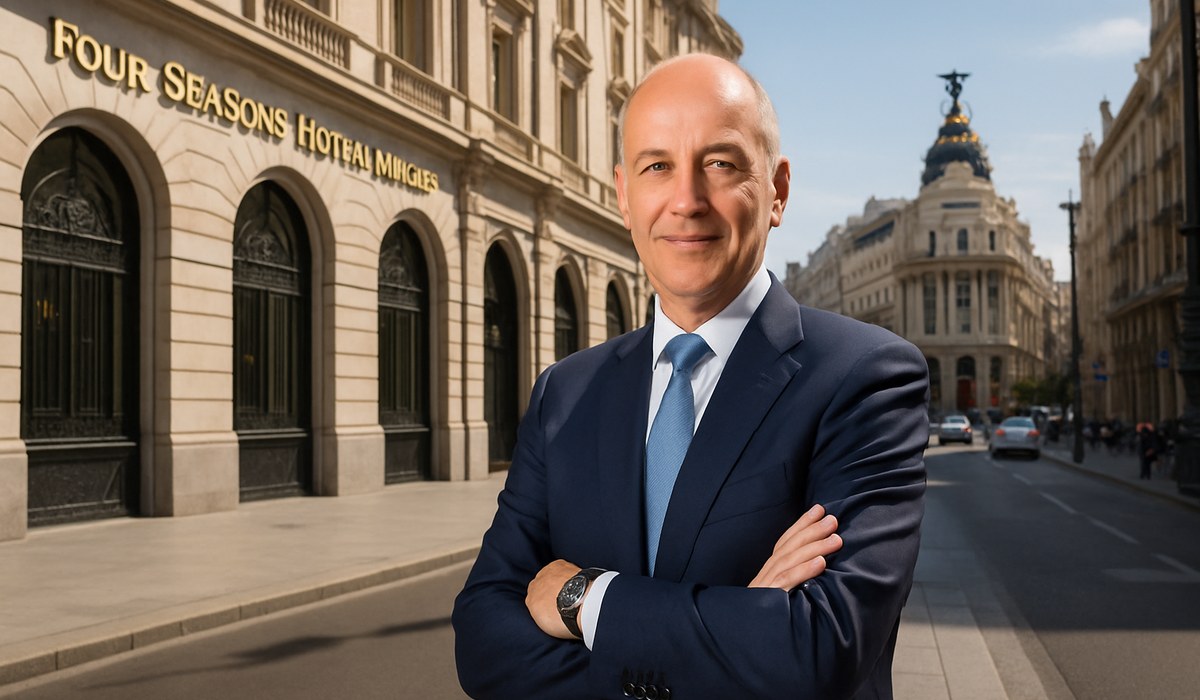
Image generated by AI
**> Quick Summary
• Patrick Pollak assumes both Regional Vice President and General Manager roles at Four Seasons Madrid • The appointment leverages three decades of luxury hospitality management experience • Dual responsibilities signal strategic European expansion and operational consolidation • Madrid property serves as regional headquarters under new leadership structure**
When a luxury hotel brand entrusts a single executive with both regional oversight and property-level operations, it's making a bold statement about leadership priorities—and Hotel Four Seasons Madrid just made that move. The appointment of Patrick Pollak as Regional Vice President and General Manager represents more than a routine staffing decision. It reflects a calculated strategy to integrate continental leadership with hands-on property management in one of Europe's most competitive luxury markets.
Pollak brings thirty years of elite hospitality management to the Spanish capital, positioning the Madrid flagship as both a standalone excellence center and a regional command post. This dual-mandate approach allows Four Seasons to streamline European operations while maintaining the brand's signature personalized service standards that guests at this level demand.
The timing aligns with Madrid's resurgence as a luxury travel destination post-pandemic, where occupancy rates at five-star properties have consistently outpaced pre-2020 levels. Industry observers note that consolidating regional and property leadership often precedes expansion phases or portfolio realignments—suggesting Four Seasons may be positioning for further European market penetration.
Strategic Dual Role: Regional Vice President and General Manager Responsibilities
The Regional Vice President designation extends Pollak's authority beyond Madrid's city limits. He now oversees strategic planning, brand consistency, and operational excellence across Four Seasons' European portfolio within his assigned region. This includes coordinating with sister properties on revenue management strategies, talent development pipelines, and cross-property guest experiences.
Simultaneously, his General Manager duties keep him grounded in daily property operations at the Madrid hotel. From overseeing the culinary team's seasonal menu rotations to managing the spa's wellness programming, Pollak maintains direct accountability for guest satisfaction scores and Forbes Travel Guide's five-star standards that define ultra-luxury hospitality.
This dual structure contrasts with traditional models where regional executives operate from corporate offices detached from frontline service delivery. By embedding regional leadership within a flagship property, Four Seasons ensures strategic decisions reflect operational realities. The approach also creates leadership development opportunities for property-level executives who can observe regional strategy formation firsthand.
Comparable luxury brands have experimented with similar structures. When Hotel Sacher Vienna's milestone celebration highlighted the importance of heritage properties maintaining modern relevance, industry analysts noted that leadership agility often determines whether historic brands thrive or stagnate. Pollak's appointment suggests Four Seasons prioritizes adaptable leadership models over rigid hierarchies.
Three Decades of Luxury Hospitality Leadership
Pollak's career trajectory spans multiple continents and property types within the ultra-luxury segment. His experience includes opening new properties where establishing service culture from inception requires different skills than managing established flagships. He has navigated economic downturns, overseen major renovations without disrupting guest experiences, and implemented technology integrations that enhance rather than replace human touchpoints.
His tenure includes properties that consistently achieve top rankings in guest satisfaction surveys and luxury travel awards. This track record matters in Madrid, where the competitive landscape includes historic palace hotels, design-forward boutique properties, and international luxury chains all vying for affluent travelers' loyalty.
Previous roles equipped Pollak with expertise in managing diverse international teams—critical in Madrid where staff often represent twenty nationalities and guests arrive from every continent. Multilingual communication, cultural sensitivity training, and inclusive management practices become operational necessities rather than aspirational goals at this service level.
His leadership philosophy emphasizes empowering department heads to make real-time decisions without bureaucratic bottlenecks. In luxury hospitality, where a single service failure can tarnish a brand's reputation, distributed decision-making authority paradoxically increases quality control by enabling immediate problem resolution.
Four Seasons Madrid's Competitive Positioning in Europe
The Madrid property occupies prime real estate near cultural landmarks while offering contemporary luxury that appeals to both leisure and business travelers. Recent industry performance benchmarking data from STR shows Madrid's luxury segment commanding average daily rates significantly above European metropolitan averages, creating favorable revenue conditions for premium positioning.
Four Seasons Madrid differentiates through personalized concierge services that extend beyond restaurant reservations. The property offers curated experiences ranging from private art collection tours to after-hours museum access, positioning the hotel as a gateway to exclusive Madrid rather than merely accommodation.
The property's rooftop amenities, Michelin-caliber dining options, and wellness facilities compete directly with Mandarin Oriental, Rosewood, and heritage properties like the Westin Palace. Pollak's appointment signals Four Seasons' commitment to maintaining competitive advantages through leadership continuity rather than frequent executive turnover that can destabilize service culture.
Madrid's geographic position makes it a natural hub for regional operations. The city offers superior air connectivity to other European capitals, facilitating Pollak's regional oversight responsibilities. This logistical advantage influenced Four Seasons' decision to consolidate regional leadership here rather than in Paris, London, or other traditional luxury hospitality centers.
European luxury travelers increasingly prioritize authentic local experiences over generic five-star amenities. Pollak's regional role includes ensuring each property balances brand consistency with neighborhood distinctiveness—a delicate equilibrium that separates thriving luxury hotels from struggling ones.
What This Appointment Signals for Luxury Hotel Industry Trends
The consolidation of regional and property-level leadership represents a broader industry shift toward operational efficiency without sacrificing service quality. As discussed at the IHIF Berlin hospitality summit, luxury brands face pressure to reduce overhead costs while maintaining the high staffing ratios that define ultra-premium service.
Dual-role appointments allow brands to eliminate redundant middle management layers while retaining strategic oversight. However, success depends on selecting executives capable of balancing macro-level strategic thinking with micro-level operational attentiveness—a rare skill combination that Pollak's three-decade career demonstrates.
This structure also reflects changing expectations among luxury hotel executives. Younger management talent increasingly seeks roles with visible impact rather than siloed corporate positions. By offering regional responsibilities alongside property management, Four Seasons creates more compelling career progression paths that help retain top performers.
The appointment timing coincides with European luxury hospitality's recovery momentum. Properties that maintained service standards during lean pandemic years now capitalize on pent-up demand from affluent travelers. Strategic leadership appointments during growth phases position brands to capture market share while competitors struggle with staffing shortages or inconsistent service delivery.
Similar to how the Ritz-Carlton Orlando's signature experiences differentiate that property through leadership-driven innovation, Pollak's appointment enables Four Seasons Madrid to implement guest experience enhancements that competitors lacking stable leadership cannot replicate quickly.
The luxury segment increasingly values leadership continuity. Frequent executive turnover disrupts service culture, confuses teams about strategic priorities, and creates inconsistent guest experiences. By appointing a seasoned executive with proven longevity in previous roles, Four Seasons signals commitment to stable, long-term property development rather than short-term performance metrics.
Industry analysts predict more luxury brands will adopt similar dual-role structures, particularly in secondary European markets where maintaining dedicated regional offices proves cost-prohibitive. Madrid's success under this model could influence Four Seasons' approach to other regional hubs globally.
The appointment also reflects luxury hospitality's evolution toward experience curation over amenity checklists. While thread counts and marble bathrooms remain table stakes, affluent travelers increasingly select properties based on unique programming and personalized services. Regional oversight allows Pollak to coordinate cross-property initiatives like traveling art exhibitions or culinary collaboration events that individual properties couldn't execute independently.
Patrick Pollak's appointment at Hotel Four Seasons Madrid represents strategic positioning rather than routine staffing. By combining regional vice president responsibilities with general manager duties, Four Seasons creates an agile leadership structure responsive to European market dynamics while maintaining operational excellence standards. His thirty years of luxury hospitality expertise provide the foundation for executing this dual mandate successfully, positioning Madrid as both a flagship property and regional command center for the brand's continued European growth.
FAQ
What does Patrick Pollak's Regional Vice President role entail? The Regional Vice President position extends Pollak's authority across Four Seasons properties within his designated European region. He oversees strategic planning, brand consistency initiatives, talent development programs, and cross-property guest experience coordination while maintaining operational accountability for the Madrid flagship.
How does dual General Manager and Regional VP leadership benefit guests? Guests benefit from strategic decisions grounded in operational realities. Pollak's simultaneous property management responsibilities ensure regional initiatives enhance rather than complicate frontline service delivery. This structure prevents bureaucratic policies that look good on paper but create guest friction points.
Why did Four Seasons choose Madrid for this regional leadership structure? Madrid offers superior European air connectivity, competitive luxury hospitality market conditions, and geographic centrality for regional oversight. The property's performance track record and Spain's growing appeal to affluent travelers made it a natural choice for consolidating regional leadership with property management.
What experience does Patrick Pollak bring to this appointment? Pollak contributes three decades of luxury hospitality leadership across multiple continents and property types. His experience includes new property openings, major renovations, economic downturn navigation, and consistent achievement of top-tier guest satisfaction scores at ultra-luxury properties.
How common are dual Regional VP and General Manager appointments in luxury hospitality? While historically rare, this leadership structure is gaining traction among luxury brands seeking operational efficiency without sacrificing service quality. Industry conferences increasingly highlight dual-role appointments as a strategy for reducing overhead while maintaining strategic oversight, particularly in secondary European markets.
Related Articles:
- Hotel Sacher Vienna Celebrates 150th Anniversary in March 2026
- IHIF Berlin Hospitality Summit 2026
- Ritz-Carlton Orlando Signature Experiences March 2026
Disclaimer
This article is for informational and educational purposes only. It does not constitute legal, financial, or professional advice. While we strive to provide accurate and up-to-date information, travel policies, regulations, and conditions change rapidly. Always verify information with official sources before making travel decisions. Nomad Lawyer makes no representations about the accuracy, reliability, completeness, or suitability of the information provided. Readers should consult qualified professionals for advice specific to their circumstances. The views expressed in this article are those of the author and do not necessarily reflect the views of Nomad Lawyer.
Kunal K Choudhary
Co-Founder & Contributor
A passionate traveller and tech enthusiast. Kunal contributes to the vision and growth of Nomad Lawyer, bringing fresh perspectives and driving the community forward.
Learn more about our team →