
Florida Route 60 Scenic Highway Proposal: Cross-Peninsula Road Trips, Polk County Heritage, and Inland Agritourism

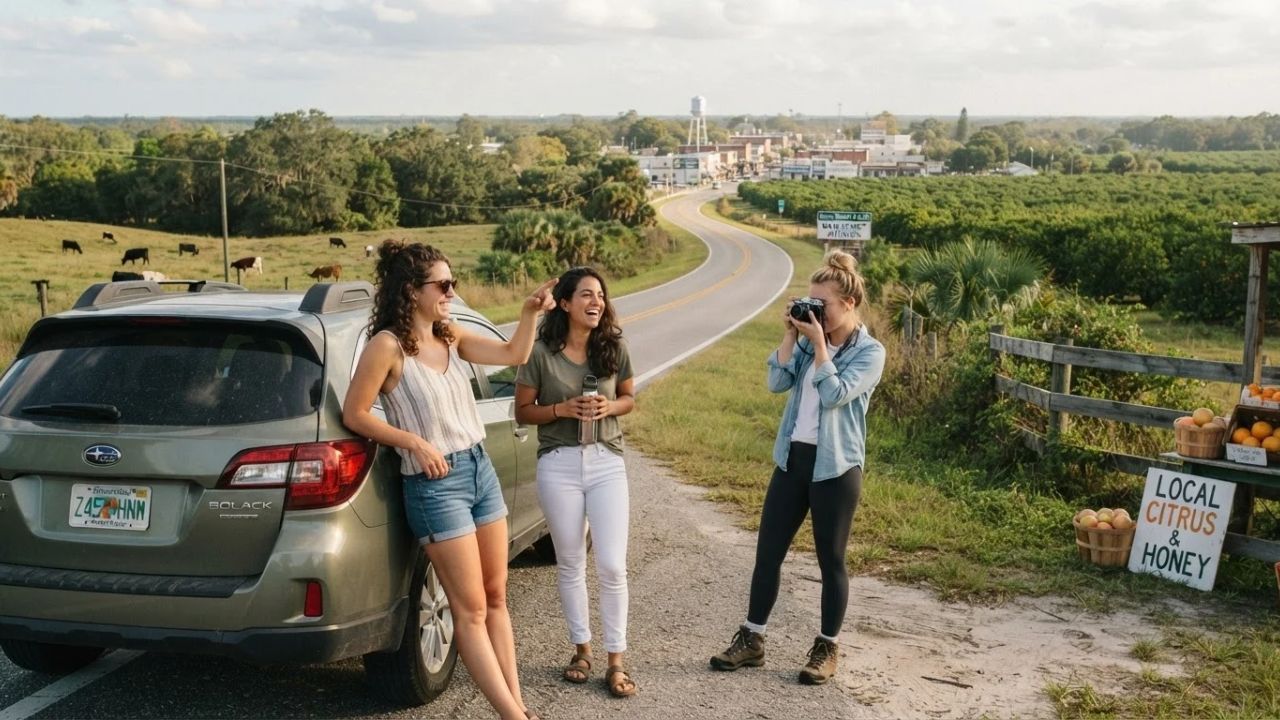
Stretching across the Florida peninsula from Clearwater on the Gulf Coast to Vero Beach on the Atlantic Coast, State Road 60 is advancing toward a designated Scenic Highway corridor, creating a coast-to-coast rural travel route through historic citrus groves, cattle ranches, and inland conservation preserves. Spearheaded initially through Polk County, the initiative aims to shift traveler focus away from congested coastal strips and Orlando theme park complexes, encouraging road trippers to experience authentic agricultural communities, freshwater lake systems, and historic small towns.
By reimagining an essential east-west commercial transportation artery into an experience-driven travel destination, the Route 60 Scenic Highway project highlights how rural inland Florida is stepping into the spotlight. Rather than speeding through the heart of the state at 65 miles per hour, travelers are invited to slow down, explore regional heritage sites, support multi-generational farm stands, and connect with the ecological heartbeat of the Florida Wildlife Corridor.
The Local Trend Revealed: Transforming a Cross-State Highway into a Destination
State Road 60 (SR 60) represents one of Florida's primary coast-to-coast roadways, spanning roughly 160 miles across Central Florida. Historically utilized as a heavy-transit corridor for citrus transport, phosphate logistics, and cross-state commuting, the road links distinct geographic zones: the sandy shores of Pinellas County, the metropolitan outskirts of Tampa, the rolling sand ridges of Polk County, the cattle pastures of Osceola and Okeechobee counties, and the tranquil Atlantic barrier beaches of Indian River County.
The proposed scenic highway designation transforms this transit route into a curated tourism itinerary. Inspired by iconic American scenic byways where the drive itself forms the destination, the Route 60 concept invites visitors to discover the hidden cultural and ecological layers of inland Florida:
- Polk County’s Central Anchor: The initial scenic designation efforts focus on the heart of the corridor within Polk County, highlighting a string of distinctive communities: Mulberry, Bartow, Alturas, Lake Wales, and Indian Lake Estates.
- Escaping Overtourism Hotspots: With coastal resorts facing surging accommodation costs and theme parks demanding complex reservation schedules, domestic and international travelers are actively seeking unhurried, affordable, and authentic alternatives.
- Experience-Driven Road Trips: Instead of isolated attractions, the corridor stitches together historic downtowns, living-history cattle camps, freshwater fishing outposts, roadside fruit packinghouses, and state parks into a single cohesive journey.
Connecting Florida’s Interior Heritage: From Mulberry to Lake Wales
Traveling east along Route 60 through Polk County reveals a compelling succession of historic towns that illustrate the economic foundation of modern Florida:
Mulberry: The Bone Valley Gateway
Located near the western edge of Polk County, Mulberry serves as the cultural center of Florida's phosphate region, colloquially known as "Bone Valley":
- Mulberry Phosphate Museum: Situated right off Route 60, this community museum showcases prehistoric fossils unearthed during regional mining operations. Visitors can examine fossilized megalodon teeth, mammoth tusks, and prehistoric shark vertebrae dating back millions of years.
- Outdoor Fossil Dig: An open-air digging pit adjacent to the museum allows families and amateur paleontologists to sift through real mined gravel to uncover and keep their own fossilized shark teeth and ray plates free of charge.
Bartow: The Historic County Seat
Founded in 1851 and shaded by towering, Spanish-moss-draped live oaks, Bartow presents one of the most intact historic streetscapes in Central Florida:
- Polk County History Center: Housed in the grand 1908 neoclassical courthouse, this landmark building features a soaring copper dome and limestone columns. Inside, extensive exhibits chronicle the region’s Seminole War history, pioneer agricultural settlements, and judicial heritage.
- Architectural Heritage Walks: Stroll down Church Street and Broadway Avenue to admire preserved Victorian homes, historic brick churches, and the enigmatic Wonder House—an eccentric four-story stone-and-concrete villa built in the 1920s by inventor Conrad Schuck.
Alturas and Rural Central Ridges
Passing through the rural community of Alturas, Route 60 cuts across the Lake Wales Ridge, an ancient geological formation of sandy hills that once formed an archipelago of isolated islands when prehistoric seas covered Florida:
- Citrus Groves and Packing Sheds: The rolling terrain supports expansive citrus orchards where the aroma of blooming orange blossoms fills the air from late winter into early spring.
- Roadside Heritage: Small family-operated stands sell freshly squeezed Valencia orange juice, seasonal citrus honey, and handcrafted preserves, offering travelers direct contact with agricultural growers.
Lake Wales: Architecture, Song, and High Sand Ridges
Perched atop Iron Mountain—one of the highest geographic points in peninsular Florida at 295 feet above sea level—Lake Wales forms the cultural crown of Route 60:
- Bok Tower Gardens: Established in 1929 by Dutch immigrant and Pulitzer Prize-winning editor Edward W. Bok, this National Historic Landmark encompasses 250 acres of lush botanical gardens designed by Frederick Law Olmsted Jr. The centerpiece is the 205-foot neo-Gothic and Art Deco "Singing Tower," housing a world-class 60-bell carillon that rings across the pines twice daily.
- Historic Downtown District: The Lake Wales downtown district features Mediterranean Revival architecture, independent coffee shops, antique boutiques, and the historic 1920s Grand Hotel, now undergoing dedicated preservation.
Indian Lake Estates and the Kissimmee Basin
As Route 60 continues eastward toward the Atlantic coast, the scenery transitions into wide-open savannahs, cattle ranches, and vast freshwater wetlands:
- Lake Weohyakapka (Walk-in-Water): Spanning over 7,500 acres, this pristine lake is renowned among sports anglers as one of Florida’s premier trophy largemouth bass fisheries.
- Lake Kissimmee State Park: Located just north of Route 60 near the eastern county line, this 5,900-acre park preserves expansive pine flatwoods, prairie grasslands, and lakeshores. A signature highlight is the authentic 1876 Florida Cow Camp, where costumed living-history interpreters depict the rugged lives of Florida "cow hunters" who drove cattle through Florida's scrub wilderness.
Agritourism and the Rise of "Fresh from Florida" Travel
Agriculture represents Florida's second-largest economic engine, generating billions of dollars annually. The proposed Route 60 Scenic Highway provides a vital mechanism to bridge the gap between rural food producers and modern culinary travelers.
Agritourism along the corridor allows family-owned farms and ranches to diversify their revenue streams while educating the public about regional food production:
- Working Cattle Ranches: Ranches along the Kissimmee River basin preserve century-old ranching traditions, offering guided trail rides, educational demonstrations, and grass-fed beef tastings that highlight sustainable pasture management.
- U-Pick Orchards and Berry Patches: Seasonal agritourism operations welcome visitors to pick their own strawberries, blueberries, peaches, and citrus fruits directly from the trees, connecting suburban travelers with the origins of their food.
- Craft Beverage Distilleries and Wineries: Emerging regional operations use Florida-grown sugarcane, muscadine grapes, and citrus to produce small-batch spirits, fruit wines, and seasonal farmhouse beers that celebrate indigenous ingredients.
Cultural & Environmental Value: Supporting the Florida Wildlife Corridor
Beyond its agricultural and historic merits, the Route 60 corridor traverses critical ecological choke points within the federally recognized Florida Wildlife Corridor:
Ecological Corridors and Wildlife Connectivity
As rapid urban development expands eastward from Tampa and southward from Orlando, Route 60 serves as a crucial boundary line for statewide conservation efforts:
- Protecting Rare Scrub Habitats: The sandy scrub habitats along the Lake Wales Ridge harbor one of the highest concentrations of endemic species in North America, including the federally threatened Florida scrub-jay, the sand skink, and rare flowering scrub mints found nowhere else on Earth.
- Mammal Migration Corridors: Preserves bordering Route 60, including the Kissimmee Prairie Preserve and surrounding cattle ranches, provide uninterrupted habitat connectivity for wide-ranging mammals, including the endangered Florida panther, the Florida black bear, and white-tailed deer.
- Preserving River Basins: The highway crosses vital watersheds, including the Peace River basin to the west and the Kissimmee River basin to the east, both of which feed delicate coastal estuaries like Charlotte Harbor and Lake Okeechobee. Developing scenic byway guidelines ensures that future roadside development incorporates strict stormwater management, native landscaping, and wildlife crossing passages.
Visitor Insider Tips: Planning a Route 60 Road Trip
Navigating State Road 60 as a scenic journey requires a different mindset than driving modern interstate expressways like I-4. Use these local recommendations to maximize your experience:
Best Travel Seasons and Driving Timing
- Optimal Weather Window: The ideal months for a Route 60 road trip are October through April, when temperatures average between 68°F and 78°F (20°C to 26°C), humidity levels drop, and rainfall is minimal.
- Avoiding Commuter Chokepoints: The western section of SR 60 between Clearwater, Tampa, and Brandon experiences heavy weekday commuter traffic. Begin your scenic inland journey east of Brandon (starting in Mulberry) to avoid metropolitan congestion, or schedule your drive on weekend mornings.
- Driving Safety on Rural Stretches: East of Lake Wales, SR 60 stretches across open rural prairie. Maintain awareness of commercial agricultural vehicles, tractors, and livestock transport trucks. Pass only in designated passing zones and observe posted speed limits through small town centers like Bartow and Lake Wales.
Packing and Road Trip Essentials
- Pack Sturdy Outdoor Footwear: If you plan to explore nature preserves like Lake Kissimmee State Park or walk the mulch paths at Bok Tower Gardens, pack breathable hiking boots or athletic shoes suitable for sandy soil.
- Sun and Insect Protection: Carry reef-safe sunscreen, a wide-brimmed sun hat, and natural insect repellent, especially if embarking on evening nature walks or wildlife viewing around lake margins.
- Cooler for Roadside Market Purchases: Bring an insulated ice chest or cooler in your trunk. You will encounter numerous roadside farm stands selling freshly squeezed orange juice, artisanal cheeses, seasonal fruit, and vacuum-sealed local cuts of grass-fed beef that you will want to keep chilled.
Authentic Flavors of Inland Florida: Culinary Stops Along Route 60
Inland Florida boasts a rich culinary heritage rooted in Southern Cracker cooking, citrus farm traditions, and authentic Latin influences:
Regional Culinary Specialties
- Citrus Soft-Serve Swirl: Stop at roadside citrus packinghouses in Polk County to sample fresh orange-vanilla swirl ice cream made with concentrated Florida orange juice. Tangy, creamy, and refreshing, it tastes like a frozen creamsicle made from real fruit.
- Authentic Florida Cracker Barbecue: Along Route 60 in Bartow and Lake Wales, rustic roadside barbecue pits smoke whole pork shoulders and beef brisket over seasoned oak and hickory logs for ten to twelve hours. Enjoy tender pulled pork served with sweet corn bread, pit-cooked baked beans, and tart vinegar-mustard sauce.
- Fresh Fried Catfish and Hushpuppies: Waterfront fish camps near Lake Kissimmee and Walk-in-Water specialize in freshwater channel catfish dipped in seasoned cornmeal and fried to a crisp golden finish, served with crispy, onion-laced hushpuppies and creamy coleslaw.
- Warm Boiled Peanuts: Look for hand-painted wooden signs along rural stretches of SR 60 announcing "Hot Boiled Peanuts." Simmered for hours in brine with cajun spices or sea salt, these tender legumes are a classic Southern road trip snack eaten warm straight from a paper bag.
Tourism Outlook: Rebalancing Florida's Travel Economy
The proposed Route 60 Scenic Highway arrives at a pivotal moment for Florida tourism. For decades, the Sunshine State’s travel economy has operated under an unbalanced coastal and amusement-park model, with the vast majority of visitor spending concentrated within a few square miles of Orlando, Miami, and Gulf beaches.
Designating State Road 60 as an official scenic highway creates a sustainable framework for economic redistribution. By encouraging travelers to spend nights in boutique heritage inns, dine at family-owned cafes, tour conservation preserves, and purchase produce from regional growers, the initiative ensures that rural communities share directly in Florida’s massive tourism economy.
For the modern traveler seeking depth, authenticity, and connection, Route 60 offers an invitation to see Florida with fresh eyes: not as a manufactured playground, but as a living, breathing land of ancient sand ridges, sweet citrus blossoms, and enduring pioneer heritage.
Related Travel Guides
Disclaimer
This article is for informational and educational purposes only. It does not constitute legal, financial, or professional advice. While we strive to provide accurate and up-to-date information, travel policies, regulations, and conditions change rapidly. Always verify information with official sources before making travel decisions. Nomad Lawyer makes no representations about the accuracy, reliability, completeness, or suitability of the information provided. Readers should consult qualified professionals for advice specific to their circumstances. The views expressed in this article are those of the author and do not necessarily reflect the views of Nomad Lawyer.
Raushan Kumar
Founder & Lead Developer
Full-stack developer with 11+ years of experience and a passionate traveller. Raushan built Nomad Lawyer from the ground up with a vision to create the best travel and law experience on the web.
Learn more about our team →