
Florida Oktoberfest 2026 Creates Travel Frenzy as Germany and Brazil Connect Through Iconic Cultural Celebrations

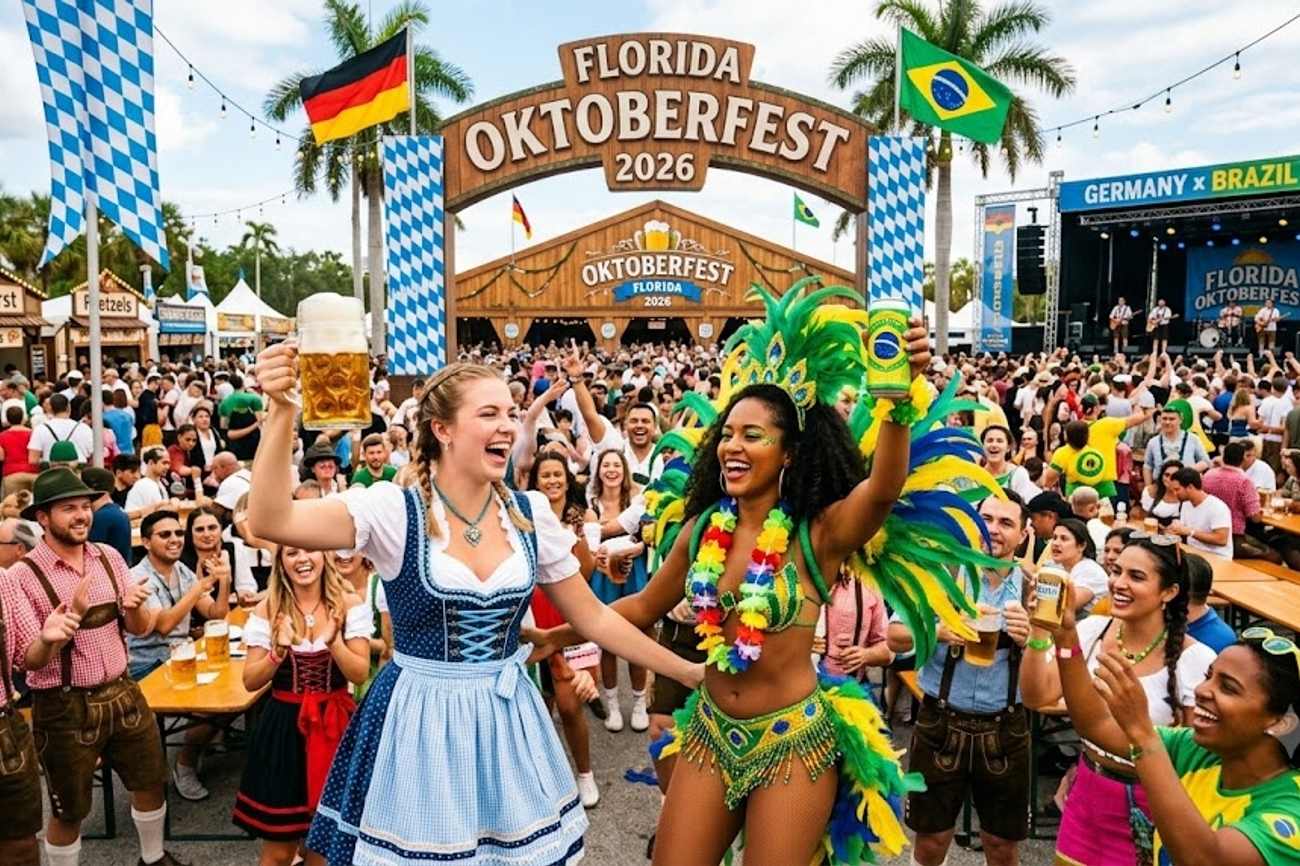
Image generated by AI
[Miami, October 2026] — Florida is launching a coordinated cultural tourism offensive this October as major Oktoberfest celebrations return to Lake Worth, Cape Coral, and Miami. The state is leveraging these heritage events to pivot its autumn tourism strategy away from traditional beach and theme park offerings toward immersive, multicultural experiences.
The festivities are scheduled across two primary windows: October 9–11 and October 16–18, 2026. These events integrate traditional Bavarian music, German gastronomy, and cultural performances designed to attract both domestic travelers and international visitors. By scaling these celebrations, Florida aims to capitalize on a global trend where heritage-based festivals serve as primary drivers for regional travel and economic stimulation.
The Shift Toward Heritage Tourism
The return of these festivals is not a coincidence but a calculated move within the broader travel industry to promote "event-based" destination marketing. By creating time-sensitive reasons for travel, Florida is attempting to fill hotel rooms and restaurant seats during a shoulder season that typically sees a dip in visitor numbers compared to the winter peak.
The strategy mirrors the success of the original Munich Oktoberfest, which began in 1810 to celebrate the marriage of Crown Prince Ludwig and Princess Therese. That event established a global blueprint for cultural tourism, proving that specific regional traditions—such as Bavarian clothing and beer hall culture—could attract millions of global visitors. Florida is now applying this model to its own urban centers, transforming Lake Worth, Cape Coral, and Miami into seasonal hubs for German heritage.
Market Impact and Affected Regions
The 2026 celebrations are concentrated in specific South and Southwest Florida corridors, creating localized spikes in demand for transportation and lodging.
| Impacted City | Event Focus | Primary Tourism Driver |
|---|---|---|
| Miami | Urban Cultural Fusion | International food traditions and city-break tourism |
| Lake Worth | Community Heritage | Multicultural gatherings and regional exploration |
| Cape Coral | Family-Centric Traditions | Bavarian-style food and family activities |
These events are part of a wider global network of German-inspired tourism. For instance, the Visit Florida initiatives align with massive international efforts such as the Kitchener-Waterloo Oktoberfest in Canada and the Blumenau Oktoberfest in Brazil. In Brazil, the Blumenau event specifically leverages 19th-century German immigration history to drive regional tourism, a strategy Florida is replicating by highlighting its own multicultural community ties.
Practical Traveler Advisory and Strategic Insights
For the average traveler, the 2026 Oktoberfest season means a shift in how South Florida is navigated and experienced. Instead of the standard coastal itinerary, visitors should prepare for the following:
1. Accommodation Pressure: Expect higher-than-average hotel occupancy rates in Lake Worth, Cape Coral, and Miami during the weekends of October 9–11 and 16–18. Travelers are advised to book lodging well in advance of these windows.
2. Diversified Itineraries: The festivals provide a legitimate reason to venture inland. Travelers can now pair a trip to the Florida Department of State recognized historic sites or nature preserves with a visit to a Bavarian-style beer hall.
3. Transport Logistics: Local transport services in the affected cities will likely experience increased congestion. Visitors should anticipate delays and consider utilizing ride-share services or public transit to avoid parking bottlenecks near festival grounds.
4. Culinary Shifts: The influx of German-style catering and food vendors will temporarily alter the local dining landscape, offering an alternative to the standard Florida fare.
The Global Heritage Model
Florida's approach is a microcosm of a larger trend where destinations use "cultural anchors" to attract visitors. This is evident in several other global markets where German heritage has been commodified into a tourism product:
The Florida Oktoberfest 2026 is expected to draw large crowds, with attendees from Germany and Brazil connecting through iconic cultural celebrations. For travelers planning to attend the event, it is essential to book flights in advance through official airline portals, such as Lufthansa, to ensure availability and competitive pricing. By doing so, passengers can secure their travel arrangements and focus on enjoying the festivities.
- North America: Beyond Florida, cities like Cincinnati and Denver use Oktoberfest to blend German heritage with American urban tourism. Canada’s Kitchener-Waterloo event serves as a cornerstone for Ontario’s autumn travel calendar.
- South America: Brazil’s Blumenau festival is one of the largest outside Germany, focusing on the architectural and social legacy of German settlers.
- Asia & Oceania: From Tokyo to Brisbane and Qingdao, German-style events are used to facilitate international cultural exchange and gastronomy tourism.
This global movement underscores a shift in traveler psychology. Modern tourists are increasingly eschewing generic sightseeing in favor of "authentic" local experiences. By hosting these festivals, Florida is positioning itself not just as a sun-and-sand destination, but as a multicultural hub capable of hosting world-class heritage events.
Future Tourism Projections
Looking ahead, the success of the October 2026 window will likely dictate how Florida handles seasonal marketing for 2027 and beyond. If these events successfully increase the average length of stay for visitors in Miami and Lake Worth, the state may expand its "cultural calendar" to include other international heritage festivals.
The long-term goal is the preservation of cultural traditions while ensuring a steady stream of revenue for local businesses. By integrating these festivals into the official tourism narrative, Florida is ensuring that its economy is not solely dependent on the winter "snowbird" migration or the summer theme park rush.
FAQ: Florida Oktoberfest 2026
When are the 2026 Oktoberfest events taking place? The celebrations are scheduled for two specific weekends: October 9–11 and October 16–18, 2026.
Which cities in Florida are hosting these celebrations? The primary hubs for the 2026 festivities are Miami, Lake Worth, and Cape Coral.
Is this event only for beer enthusiasts? No. The festivals are designed as family-friendly cultural experiences featuring German food, music, traditional performances, and community activities.
How does this affect travel planning for October? Travelers should expect increased demand for hotels and transport in the hosting cities. It is recommended to book accommodations early to avoid peak-weekend pricing and availability issues.
Florida is trading the beach towel for the beer stein this autumn.
Related Travel Guides
- US Travel Hit as Santa Monica Cancels Ocean Way Festival After Hurricane Marie Damages Beach Venue: All You Need to Know
- Malaysia Airlines Celebrates 2026 Skytrax Success With Global Ranking And Service Growth
- China’s Guangwu Mountain Red Leaf Festival 2026 Set to Unveil Asia’s Most Stunning Autumn Travel Escape
This article is for informational purposes. Flight routes, passenger regulations, visa rules, and transit advisories are subject to change by airlines and aviation authorities. Readers are advised to verify schedules and travel documentation with relevant carriers and border agencies before departure.
Related Stories

USA Weather Alert 2026: Dangerous Surf in Florida, Dense Fog in Denver, and Mountain Snow in Utah
Florida Tourism Boom 2026: Managing Security Risks for 143.3 Million Annual Visitors
