
Fincantieri Delivers Mein Schiff Flow to TUI Cruises: LNG-Powered Innovation Redefines Sustainable Cruise Tourism in 2026
Fincantieri's delivery of Mein Schiff Flow to TUI Cruises marks a watershed moment for LNG-powered cruise ships, accelerating the industry's shift toward zero-emission maritime travel and sustainable luxury tourism globally.

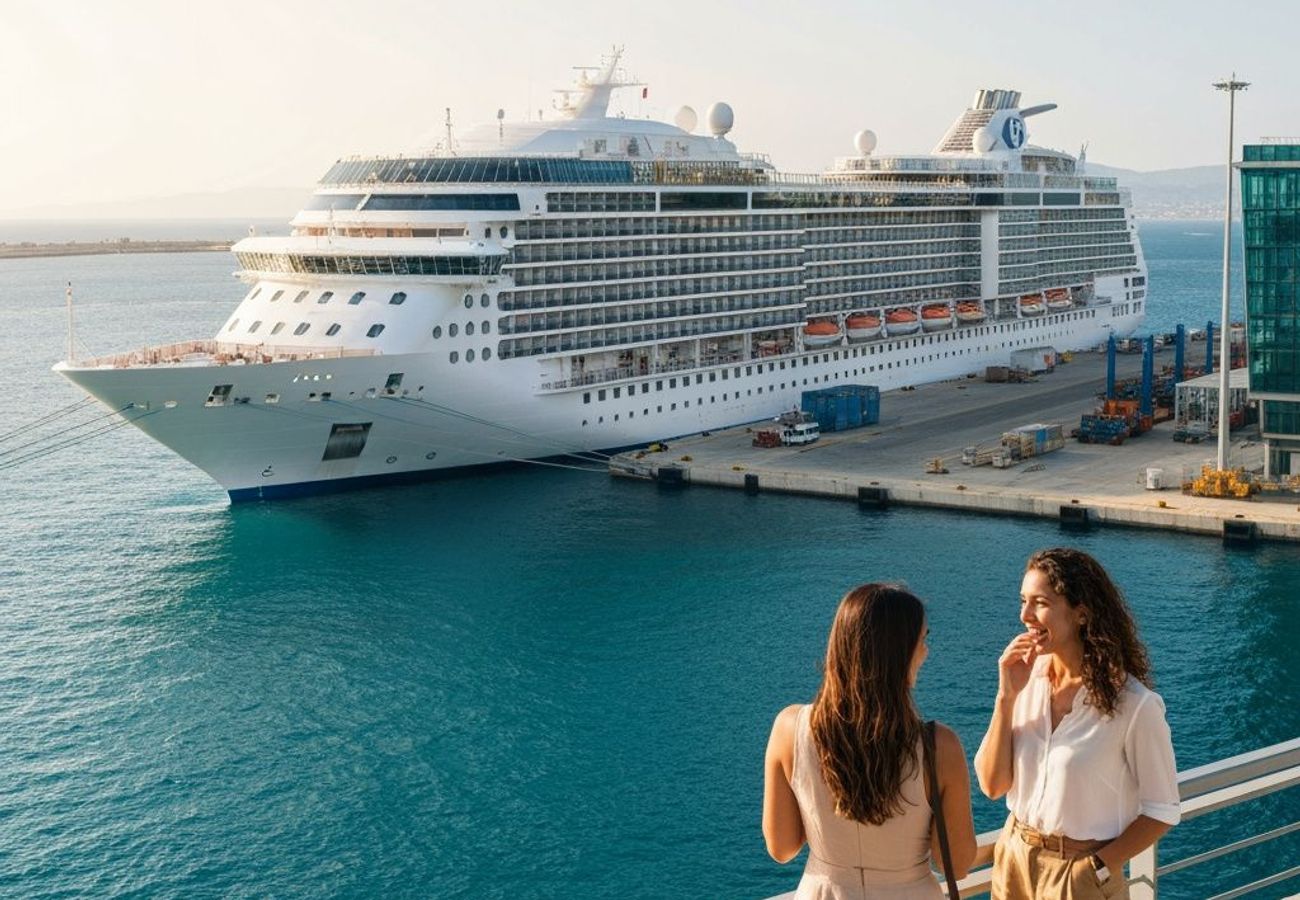
Image generated by AI
The global cruise industry just entered a new era. On June 14, 2026, Fincantieri officially delivered Mein Schiff Flow to TUI Cruises at the Monfalcone shipyard in Italy—and this isn't just another luxury vessel hitting the water.
This is a statement. A declaration that cruise tourism is finally, irreversibly moving toward environmental responsibility.
The Dual-Fuel Engine That Changes Everything
At the heart of Mein Schiff Flow sits technology that the cruise industry has been chasing for years: a dual-fuel LNG propulsion system that operates on both liquefied natural gas and marine gas oil (MGO).
Here's why this matters: port operations account for roughly 40% of a ship's total emissions. The Mein Schiff Flow eliminates that burden entirely through shore power connectivity, enabling zero-emission port stays. The vessel combines LNG propulsion with Euro 6-compliant catalytic converters and waste-heat recovery via steam turbine systems—a engineering symphony designed to slash carbon output while maintaining operational flexibility across global cruise routes.
Reddit: "Finally a cruise line actually investing in green tech instead of just marketing it." — r/travel
The numbers speak louder than corporate press releases: this single vessel eliminates conventional heavy fuel oil entirely from its operational envelope, fundamentally reducing the environmental footprint that cruise tourism has carried since its inception.
Circular Economy at Sea: Waste Becomes Resource
Beyond propulsion innovation, Mein Schiff Flow incorporates advanced onboard circular waste management systems that would seem futuristic just five years ago. The ship features thermal processing technology that converts organic waste into recyclable outputs, embedding closed-loop sustainability throughout the vessel.
This isn't performative environmentalism. The ship's waste systems handle:
- Organic waste conversion and material recovery
- Energy optimisation across all onboard systems
- Real-time emissions monitoring and control
- Sustainable resource management for a 5,000+ person floating community
For cruisers tired of greenwashing, this represents tangible environmental accountability. Modern travellers increasingly expect eco-luxury experiences where comfort pairs with measurable sustainability performance—and TUI Cruises is betting that guests will pay premium fares for that authenticity.
Why Monfalcone Matters for Global Green Shipping
Italy's Monfalcone shipyard isn't just a construction facility. It's become Europe's laboratory for next-generation maritime engineering, positioning the continent as the undisputed leader in sustainable ship design during a critical decade for climate commitments.
Fincantieri's continued investment in this facility reinforces a strategic reality: the European maritime sector is betting heavily on LNG and alternative fuels as the competitive advantage for the next 20 years. Shipyards that master dual-fuel propulsion, circular systems, and energy optimisation today will dominate cruise tourism expansion tomorrow—particularly as environmental regulations tighten across Mediterranean, Caribbean, and Asian cruise corridors.
The TUI-Fincantieri Partnership: A Decade-Long Sustainability Bet
This single delivery marks far more than a one-off transaction. TUI Cruises and Fincantieri have already secured contracts for additional InTUItion-class vessels scheduled for delivery in 2031 and 2032, cementing a long-term partnership focused on fleet modernisation through low-emission vessel replacement cycles.
This expansion strategy reveals the cruise industry's structural shift:
- Rapid phase-out of conventional fuel-powered ships
- Integration of hydrogen and alternative marine fuels into near-future fleet plans
- Development of energy-efficient cruise itineraries targeting environmentally sensitive destinations
- Expansion of sustainable luxury offerings in premium market segments
The partnership isn't charity. TUI Cruises recognizes that early movers in green cruising capture market share from competitors slow to invest in emissions reduction technology.
The Hydrogen Future is Already Being Built
The delivery of Mein Schiff Flow points toward a wider trajectory in global cruise tourism where sustainability is becoming the primary growth engine—not an afterthought.
Industry experts project that future sustainable cruise expansion will be driven by:
- Widespread adoption of LNG, hydrogen, and synthetic marine fuels
- Expansion of shore power-enabled ports across all major cruise destinations worldwide
- Explosive demand from carbon-conscious luxury travellers willing to pay premiums for verified low-emission experiences
- AI-driven energy optimisation systems managing real-time fuel consumption and emissions
- Regulatory mandates pushing toward net-zero maritime operations by 2050
Regulatory pressure from the International Maritime Organization (IMO) is tightening emissions standards with each new convention cycle, forcing cruise operators to choose: invest in green innovation today, or face obsolescence and stranded assets within a decade.
Redefining Luxury: The Sustainable Floating Ecosystem
Cruise ships have always been about luxury. But the definition is evolving dramatically. Mein Schiff Flow isn't just a floating resort—it's a sustainable floating ecosystem where hospitality, advanced engineering, and environmental responsibility converge into a single value proposition.
Modern cruisers expect transparent environmental reporting. They want to know their vacation's carbon footprint. They're willing to choose cruise lines that integrate renewable energy systems, reduce ecological impact across itineraries, and demonstrate genuine commitment to ocean preservation.
This demand isn't niche anymore. It's reshaping how cruise tourism is positioned within the global sustainable travel economy. Ships competing on luxury alone—without environmental credentials—face an uncertain future.
What Comes Next: The Cruise Industry's Inflection Point
The delivery of Mein Schiff Flow marks an inflection point. The era of "cleaner" cruise ships powered by incremental efficiency gains is ending. The era of fundamentally redesigned vessels—with LNG engines, circular waste systems, shore power connectivity, and AI-optimised energy management—is beginning.
Within five years, expect:
- LNG-powered vessels to become industry standard, not innovation
- Hydrogen fuel cell prototypes operating on flagship routes
- Shore power infrastructure in every major cruise port
- Premium pricing for verified low-emission cruises
- Regulatory penalties for operators maintaining conventional fuel fleets
TUI Cruises understood the direction earlier than most. By securing multiple InTUItion-class vessels through 2032, the German operator is positioning itself to lead sustainable cruise tourism during the decade when environmental credentials become non-negotiable for leisure travel.
The cruise industry's transformation isn't coming. It's already here, delivered by Fincantieri, powered by LNG, and ready to reshape how millions of travellers experience ocean voyages.
The future of cruising just sailed out of Monfalcone—and it runs on clean fuel.
Related Travel Guides
Disclaimer
This article is for informational and educational purposes only. It does not constitute legal, financial, or professional advice. While we strive to provide accurate and up-to-date information, travel policies, regulations, and conditions change rapidly. Always verify information with official sources before making travel decisions. Nomad Lawyer makes no representations about the accuracy, reliability, completeness, or suitability of the information provided. Readers should consult qualified professionals for advice specific to their circumstances. The views expressed in this article are those of the author and do not necessarily reflect the views of Nomad Lawyer.
Raushan Kumar
Founder & Lead Developer
Full-stack developer with 11+ years of experience and a passionate traveller. Raushan built Nomad Lawyer from the ground up with a vision to create the best travel and law experience on the web.
Learn more about our team →