
Cruise Ship Lost and Found: Recover Belongings From 8 Major Lines
Over 700,000 weekly cruisers face lost belongings annually. In 2026, discover step-by-step recovery procedures across major cruise lines and proven prevention strategies for protecting your items at sea.

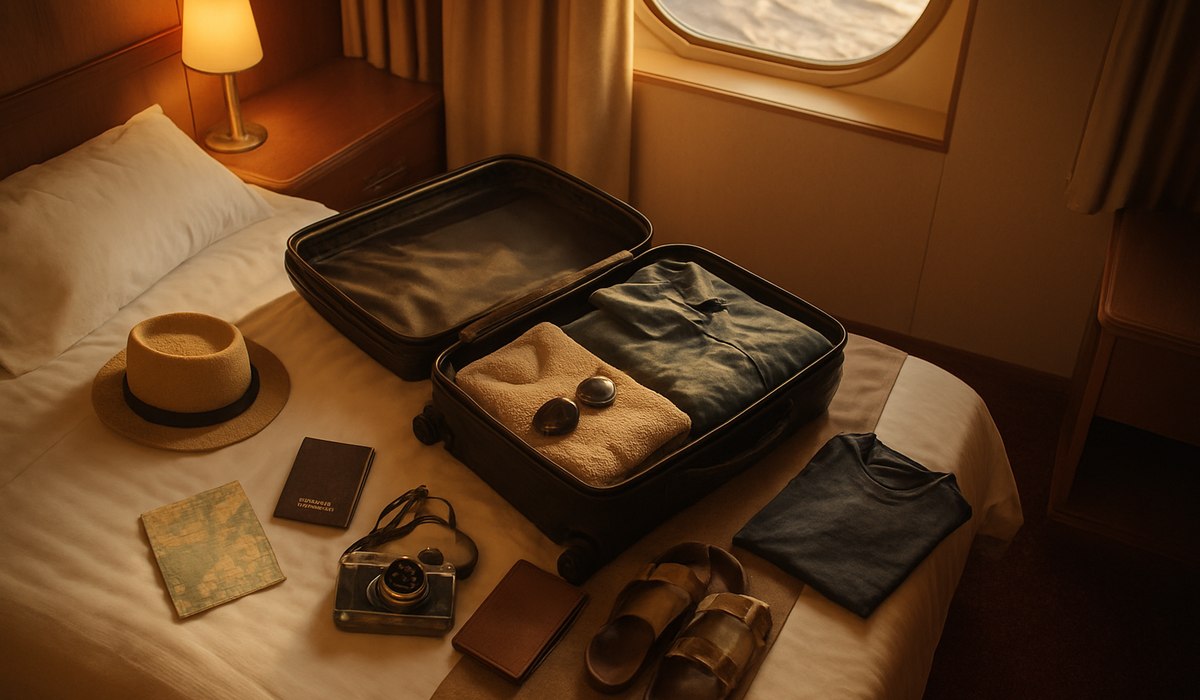
Image generated by AI
Over 700,000 Weekly Cruisers Risk Losing Belongings—Here's Your Recovery Blueprint
Every week, more than 700,000 passengers embark on cruise vacations worldwide, according to the Cruise Lines International Association (CLIA). Yet despite the convenience of unpacking once and exploring multiple destinations, a significant portion of these travelers inadvertently leave personal items behind. Recent industry surveys reveal that 21% of cruise passengers have lost belongings during their voyage—translating to approximately 147,000 forgotten items weekly. Understanding how to navigate cruise ship lost and found procedures dramatically improves your chances of recovering valuables, documents, and cherished mementos.
Why Cruisers Lose Items: Common Scenarios
Forgetting belongings aboard a cruise happens more frequently than you'd expect. The most common circumstances involve items left in cabins during final morning departures, when passengers rush to disembark. Swimwear, medications, eyeglasses, and electronic chargers top the list of frequently abandoned items.
Guests also leave possessions in public spaces—dining venues, pool decks, lounges, and theaters. The excitement of exploring ports and enjoying onboard activities creates a perfect storm for misplaced items. Elderly passengers and families with young children experience higher loss rates due to the complexity of managing multiple people's belongings across different ship areas.
Stateroom cleanliness standards actually work against you here. Housekeeping staff may discover forgotten items after guests depart, placing them in a central lost and found rather than returning them to cabins. For cruise recovery to be successful, you need immediate awareness that something's missing and knowledge of the proper reporting channels. According to Cruise Critic's community forums, most successful recoveries occur within 48 hours of departure.
Lost and Found Procedures by Cruise Line
Each major cruise operator maintains distinct lost items protocols, though they share common fundamentals. Here's how eight leading cruise lines handle belongings recovery:
Royal Caribbean International manages lost and found through its guest services department onboard and a centralized Miami recovery center. Items not claimed within 90 days are donated to charity.
Carnival Cruise Line requires passengers to contact their respective ship's guest services desk immediately. They maintain records for 30 days, after which unclaimed items are disposed of responsibly.
Disney Cruise Line emphasizes prevention through crew training. Their streamlined process involves immediate reporting to deck crew or stateroom attendants, with recovery odds exceeding 85% for items reported within 24 hours.
Norwegian Cruise Line operates a comprehensive guest relations system. Passengers can contact lost and found by phone within 30 days of their cruise ending. International mailing of recovered items incurs standard shipping fees.
MSC Cruises maintains separate lost and found facilities by ship and region. European cruisers benefit from faster recovery times due to proximity to home ports.
Princess Cruises processes recovery requests through their dedicated guest services portal. They photograph and document all held items, maintaining digital records for 90 days.
Celebrity Cruises partners with specialized luggage recovery services for items left in transit areas and staterooms. Their concierge team coordinates international shipping.
Cunard Line provides white-glove lost and found service befitting their luxury positioning. Items are professionally stored and cataloged for extended periods, sometimes exceeding six months for valuable merchandise.
Cruise Itinerary at a Glance
| Aspect | Details |
|---|---|
| Weekly Cruise Passengers | 700,000+ globally |
| Passengers Who Lose Items (Annual %) | 21% |
| Most Forgotten Items | Medications, chargers, swimwear, eyeglasses |
| Optimal Recovery Window | Within 48 hours of departure |
| Standard Lost Item Retention Period | 30–90 days by cruise line |
| Most Common Loss Location | Staterooms during disembarkation |
| Recovery Success Rate (Timely Report) | 70–85% across major lines |
How to File a Claim and Track Your Item
Immediate action separates successful recoveries from permanent losses. Follow these sequential steps:
Step One: Report Immediately Contact the ship's guest services desk on your final morning or during your cruise departure. Provide specific item descriptions, cabin location, and last known whereabouts. Request a written confirmation of your report with a claim number.
Step Two: Document Everything Take photos of identical items from home, showing specific brand names, colors, and distinguishing features. This documentation strengthens your recovery claim and supports insurance reimbursement if needed.
Step Three: Utilize Contact Information Before disembarking, obtain direct contact numbers for your cruise line's lost and found department. Most cruise lines post this information in cabin materials and on their official websites. Visit your cruise line's site directly—for example, Royal Caribbean's guest services portal offers online claim submission.
Step Four: Follow Up Persistently Don't rely on a single contact attempt. Call weekly using your claim number. Many items surface days or weeks after your cruise when housekeeping completes thorough stateroom cleaning.
Step Five: Coordinate Shipping Details Once your item is located, arrange shipping logistics. Cruise lines typically charge standard postal rates for domestic recovery but may waive fees for items of significant value or special circumstances.
Prevention Tips: Packing and Organization Strategies
The most effective cruise recovery approach is preventing losses entirely. Strategic packing minimizes belongings scattered throughout your stateroom.
Use Cabin Organization Systems Invest in under-bed storage containers, drawer dividers, and closet organizers. These tools contain your items to specific locations, making it easier to inventory what you're leaving behind.
Create a Packing Checklist Document everything placed in your cabin, with checkmarks as you pack for disembarkation. This visual inventory reveals missing items before the ship departs.
Designate a Departure Station Establish one area of your stateroom as your final staging zone. Place all items you're taking off the ship there 12 hours before departure.
Photograph Your Stateroom Take pictures of your cabin's every drawer, closet, and shelf on embarkation day. These images serve as reference points during your final morning check.
Secure Valuables Separately Keep passports, jewelry, medications, and electronics with you or in your cabin safe. Never leave these items in communal spaces or with housekeeping staff.
Label Everything Use luggage tags, waterproof stickers, and engraved identifiers on electronics. Labeled items are far more likely to be returned to you personally rather than placed in general lost and found.
Ship-Specific Tips Verify with your cruise line whether they offer cabin safes at no charge (most do). Store prescription medications in original bottles with your name and cabin number.
What This Means for Travelers
Understanding cruise ship lost and found processes protects your peace of mind and wallet during vacations.
-
Immediate Reporting Transforms Outcomes Notify guest services within hours of discovering items missing, not days later. The 48-hour window dramatically improves recovery probability.
-
Cruise Line Differences Matter Research your specific operator's policies before sailing. Royal Caribbean and Disney Cruise Line maintain superior recovery statistics due to robust infrastructure.
-
Documentation Strengthens Claims Photographs and written descriptions of items increase recovery likelihood and support insurance claims if permanent loss occurs.
-
Shipping Costs Are Your Responsibility Budget for standard postal charges to retrieve recovered items from cruise home ports. International shipping may cost $25–$75 per package.
5
Disclaimer
This article is for informational and educational purposes only. It does not constitute legal, financial, or professional advice. While we strive to provide accurate and up-to-date information, travel policies, regulations, and conditions change rapidly. Always verify information with official sources before making travel decisions. Nomad Lawyer makes no representations about the accuracy, reliability, completeness, or suitability of the information provided. Readers should consult qualified professionals for advice specific to their circumstances. The views expressed in this article are those of the author and do not necessarily reflect the views of Nomad Lawyer.
Preeti Gunjan
Contributor & Community Manager
A passionate traveller and community builder. Preeti helps grow the Nomad Lawyer community, fostering engagement and bringing the reader experience to life.
Learn more about our team →