
Fiji Yasawa Islands Maritime Access Upgrade: Hybrid-Electric Catamaran Services Launch 2026
Fiji is expanding sustainable travel to the Yasawa Islands with the introduction of zero-emission hybrid-electric high-speed catamarans, cutting travel times by two hours.

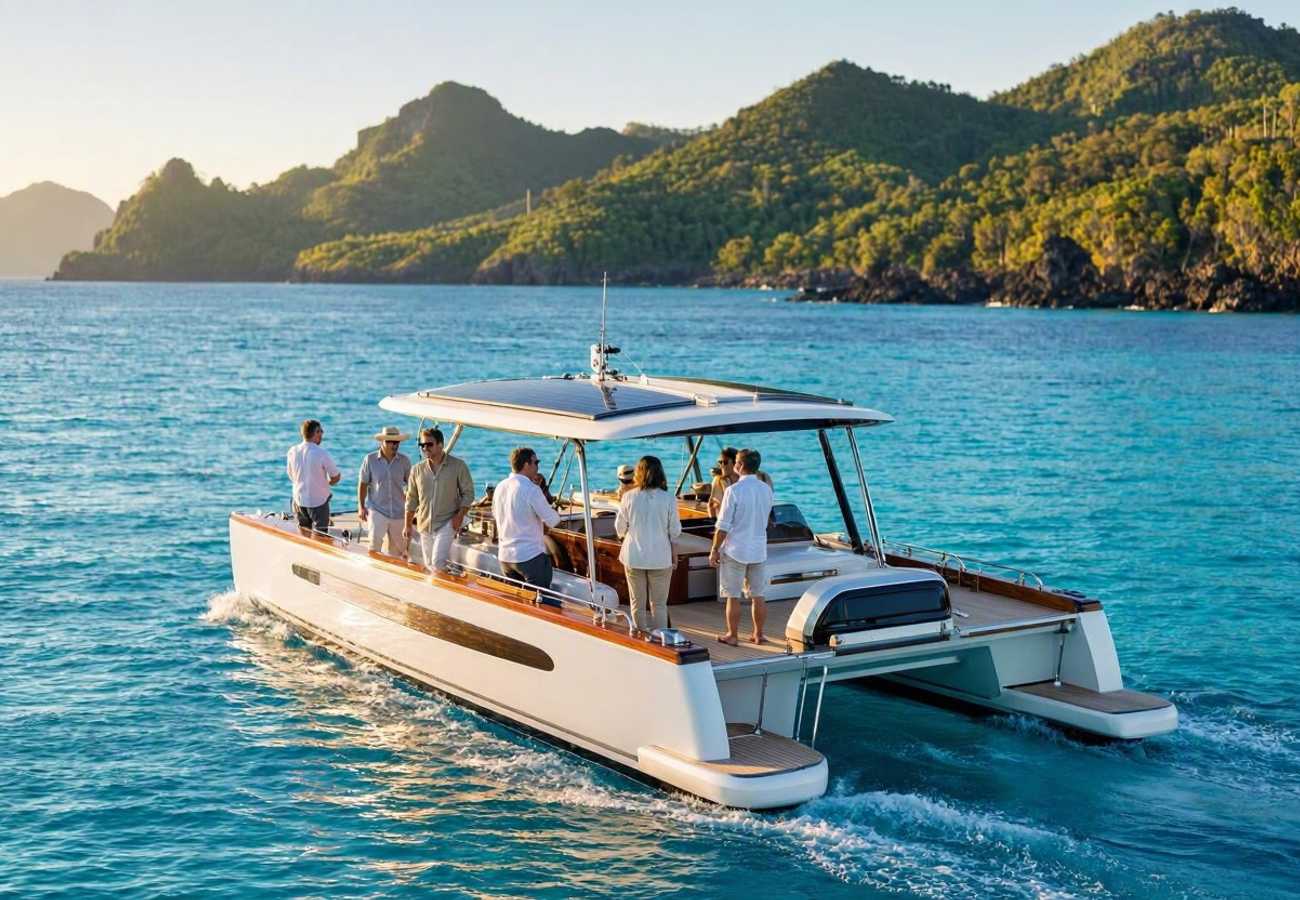
Image generated by AI
[Nadi, October 7, 2026] — Fiji is accelerating sustainable access to the Yasawa Islands with the rollout of zero-emission hybrid-electric high-speed catamaran services. Launched on October 5, 2026, these advanced vessels are designed to slash transit times by two hours, enabling tourists to access remote resorts via day trips that were previously impractical.
The new maritime initiative aims to bridge the gap between the primary tourism hubs of Nadi and Denarau and the volcanic landscapes of the Yasawa chain. While the Government of Fiji continues to manage the broader national transport framework, these high-speed services supplement the existing network of traditional ferries and private resort transfers.
The Push for Zero-Emission Transit
The introduction of hybrid-electric technology is a direct response to the environmental pressures facing Fiji's fragile marine ecosystems. By reducing carbon emissions and noise pollution, the new catamarans align with national goals for climate resilience and lower-carbon development. These vessels serve as a critical link for remote resorts that rely entirely on maritime corridors for the delivery of food, equipment, and personnel.
The shift toward electrification is particularly vital for the Yasawa region, where the reliance on diesel-powered vessels has historically posed a risk to the surrounding coral reefs. This transition supports the broader mandate of Tourism Fiji to promote responsible visitor behavior and protect the biodiversity of the archipelago.
Yasawa Islands Connectivity Overview
The Yasawa Islands stretch northwest from Viti Levu, offering a stark contrast to the urbanized infrastructure of the mainland. Travel to this region typically begins at Nadi International Airport, moving through Port Denarau before boarding maritime transport.
Transit and Access Comparison
| Feature | Traditional Ferry Services | Hybrid-Electric Catamaran (2026) |
|---|---|---|
| Travel Time | Standard duration (multiple stops) | Reduced by 2 hours |
| Environmental Impact | Diesel-based emissions | Zero-emission / Hybrid |
| Trip Capability | Multi-day stays required | Day-tour feasibility for remote sites |
| Primary Hub | Port Denarau | Port Denarau |
| Reliability | Subject to weather/sea conditions | High-speed stability |
What This Means for Travelers
For the average tourist, the primary impact is a significant increase in itinerary flexibility. Previously, a trip to the outer Yasawas required a dedicated multi-day commitment due to the length of the voyage. The two-hour reduction in travel time transforms the region into a viable option for "day-tripping" from Denarau.
Key logistical shifts include:
- Reduced Transit Fatigue: Shorter journeys mean more time spent at the destination and less time in transit.
- Expanded Reach: Hard-to-reach resorts that were once considered too remote for short visits are now accessible.
- Eco-Conscious Booking: Travelers can now prioritize low-carbon transport options without sacrificing speed.
- Scheduling Precision: While weather remains a factor, the high-speed nature of these vessels allows for tighter synchronization with international flight arrivals at Nadi.
Future of Outer Island Logistics
The successful integration of hybrid-electric vessels is expected to trigger a wider upgrade of Fiji's maritime infrastructure. To sustain these services, the government and private sectors must invest in specialized charging stations and maintenance hubs at Port Denarau and within the Yasawa island groups.
As Fiji continues to balance accessibility with environmental preservation, the focus will likely shift toward expanding these services to the Mamanuca Islands. The goal is to create a seamless, low-impact transport web that allows visitors to explore the Coral Coast and the outer islands within a single, streamlined itinerary.
FAQ: Yasawa Islands Transport 2026
How do I get to the Yasawa Islands from Nadi? Travelers typically take a shuttle from Nadi International Airport to Port Denarau. From there, you can board a scheduled ferry or the new hybrid-electric high-speed catamaran depending on your destination resort.
Will the new high-speed boats run every day? While specific schedules are managed by operators, the goal of the new service is to provide more frequent and reliable connections to allow for day tours and shorter visits.
Are the hybrid-electric boats safer in rough weather? All maritime travel in Fiji is subject to sea conditions. However, modern catamaran designs generally offer better stability than smaller traditional boats, though the Maritime Safety Authority of Fiji still monitors all voyages for safety.
Do I need to book my transfer in advance? Yes. Because these services synchronize with resort check-ins and international flights, advance booking via your resort or a licensed ferry operator is highly recommended.
Faster, cleaner, and more accessible—the Yasawas are now within reach for the time-pressed traveler.
Related Travel Guides
Disclaimer
This article is for informational and educational purposes only. It does not constitute legal, financial, or professional advice. While we strive to provide accurate and up-to-date information, travel policies, regulations, and conditions change rapidly. Always verify information with official sources before making travel decisions. Nomad Lawyer makes no representations about the accuracy, reliability, completeness, or suitability of the information provided. Readers should consult qualified professionals for advice specific to their circumstances. The views expressed in this article are those of the author and do not necessarily reflect the views of Nomad Lawyer.
Naina Thakur
Contributor & Travel Specialist
Travel enthusiast and legal writer covering visa regulations, responsible tourism, and cultural journeys across global destinations.
Learn more about our team →