
Thailand and Bhutan Launch Joint Wellness Travel Campaign for Japanese Tourists in 2026
Thailand and Bhutan have partnered to promote a combined 'Healing & Happiness' wellness itinerary targeting Japanese travelers, blending Thai wellbeing with Bhutanese spirituality.

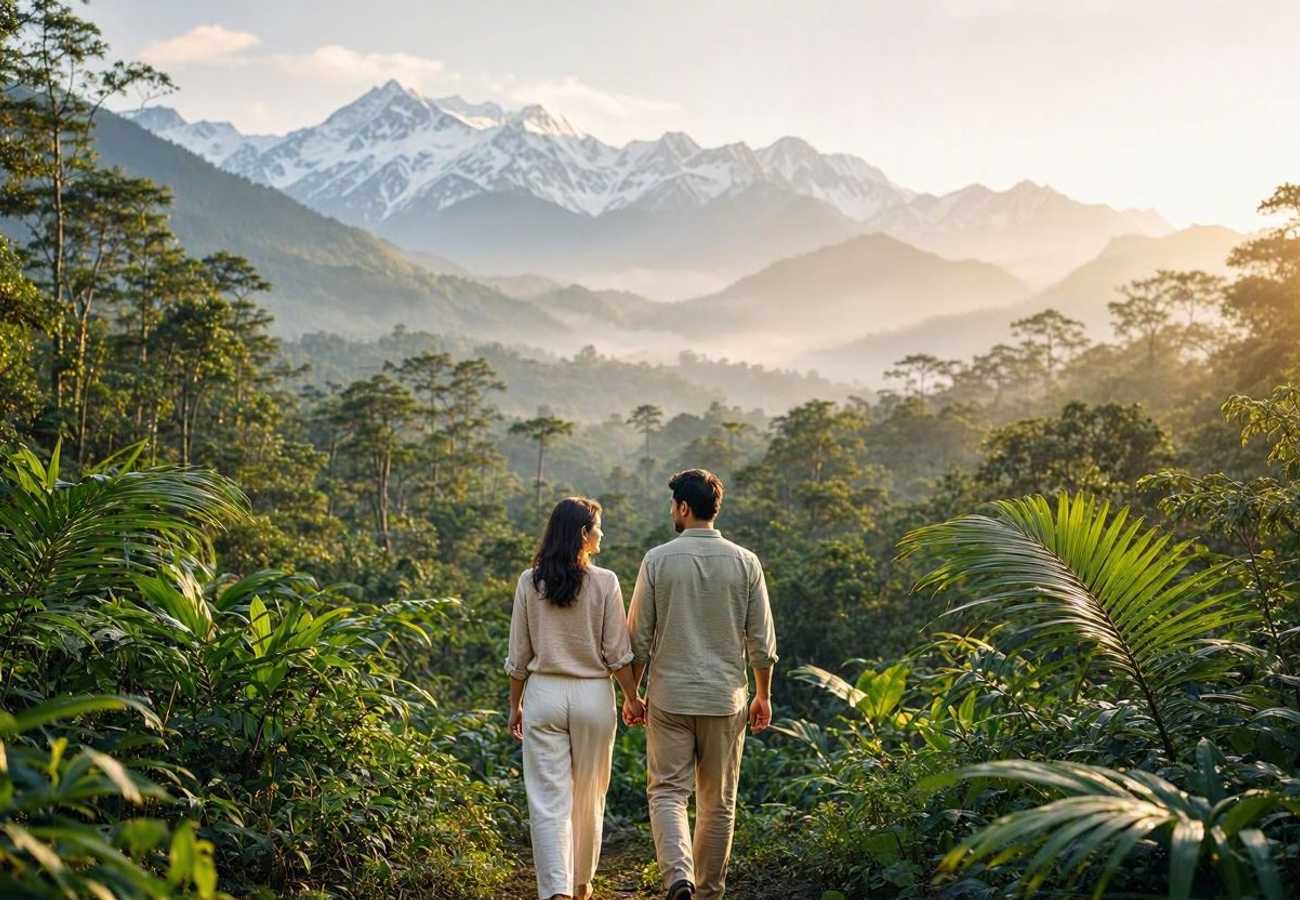
Image generated by AI
While many travelers view Southeast Asia and the Himalayas as distinct worlds, a new strategic partnership is attempting to merge them into a single "Healing & Happiness" circuit. Launched in Tokyo on 24 September 2026, this initiative by Thailand and Bhutan aims to capture the Japanese market by pairing Thai wellbeing rituals with the spiritual seclusion of the Bhutanese highlands.
The Shift Toward Integrated Wellness Circuits
The "Healing & Happiness: Discover a Better You" campaign marks a departure from traditional single-country marketing. Instead of competing for the same traveler, Thailand and Bhutan are positioning themselves as complementary stops on a mental health and spiritual journey. This isn't a bundled package deal—there are no shared visas or universal discounts yet—but rather a coordinated effort to encourage travelers to build their own multi-destination itineraries.
This cooperation didn't happen overnight. It began with a memorandum signed on 26 June 2024, followed by professional exchanges in May 2026. Tourism experts spent early May exploring the spiritual hubs of Thimphu, Paro, and Punakha in Bhutan, before heading to Krabi in late May to evaluate mangroves and hot springs. The goal was to identify specific "wellness touchpoints" that feel cohesive when experienced back-to-back.
What Makes This Duo Different
The appeal lies in the contrast of "energies." Thailand offers a highly developed wellness infrastructure—think world-class spas, medical wellness, and accessible tropical retreats. Bhutan, conversely, provides a "high-value, low-volume" experience centered on Gross National Happiness, mountain air, and Buddhist tradition.
For the Japanese traveler, this combination addresses a specific demand for "slow travel." With Japanese overseas departures rising 2.8% between January and August 2026 (reaching roughly 9.72 million people), there is a clear appetite for international exploration, even as a weaker yen and rising fuel surcharges put pressure on budgets.
Logistics and Cost Breakdown
Travelers planning this combined route must manage two very different entry systems. While Thailand is relatively open, Bhutan maintains a strict regulatory framework to prevent over-tourism.
Essential Cost and Entry Data
| Item | Thailand Requirement | Bhutan Requirement |
|---|---|---|
| Visa Status | Check current eligibility/digital cards | Advance approval mandatory |
| Visa Application Fee | Varies by nationality | US$40 (Non-refundable) |
| Daily Levy/Tax | N/A | US$100 (Sustainable Development Fee) |
| Child Rate (6-12) | N/A | US$50 per night |
| Passport Validity | Standard 6 months | Minimum 6 months beyond departure |
| Processing Time | Immediate/Short | 5 working days |
Note: A five-night stay in Bhutan currently costs US$540 in mandatory fees alone (visa + SDF), excluding all flights, hotels, and guides.
Visitor Insider Tips
If you are planning to follow this "Healing & Happiness" route, avoid the mistake of booking a tight connection. Bangkok serves as the primary gateway to Paro, but the flight schedules can be erratic.
- The Stopover Strategy: Keep an eye on the Thai transit initiative signed on 5 October. While not yet fully operational, it aims to provide specific benefits and excursions for those connecting through Thailand to other regional destinations.
- Timing the Trip: To avoid the heaviest crowds and most volatile weather, aim for the shoulder seasons. In Bhutan, the spring blooms and autumn colors are peak, but the mid-season offers a quieter experience.
- Budgeting for the SDF: The Department of Tourism Bhutan is clear that the Sustainable Development Fee (SDF) is a contribution to national conservation and infrastructure, not a payment for services. Budget your "experience" money separately from these mandatory levies.
- Regional Access: If you are based in northern Japan, look for charter services from Sendai. The renewed cooperation between Thailand and the Tohoku region suggests more regional flight options may emerge beyond the Tokyo-Bangkok corridor.
Cultural and Environmental Context
This partnership is a case study in how two nations can leverage their cultural identities to attract a specific demographic. Bhutan’s insistence on the US$100 nightly fee is a deliberate environmental and cultural shield. By pricing out mass tourism, they protect the very spiritual silence that makes the destination attractive.
Thailand, meanwhile, is diversifying its appeal. Moving beyond the "beach and party" image, the focus is now on holistic health. The interaction between these two models—one based on high-volume accessibility and the other on strict preservation—creates a balanced travel rhythm that prevents "temple burnout" by mixing active wellness (Thai massages, hot springs) with contemplative wellness (Bhutanese meditation).
FAQ: Visiting Thailand and Bhutan 2026
Do I need a visa for both countries? Yes. Thailand's requirements vary by passport, but Bhutan requires a mandatory visa application and approval process before you can board your flight.
How do I get from Thailand to Bhutan? Bangkok is the primary hub for flights into Paro, Bhutan. You will need to coordinate these flights separately as there is currently no "all-in-one" joint ticket.
Is the Bhutan Sustainable Development Fee mandatory? Yes, adults must pay US$100 per night. This fee supports the UNESCO recognized heritage and environmental conservation efforts within the kingdom.
When is the best time to visit both? Spring (March to May) and Autumn (September to November) are generally ideal for both destinations, offering pleasant temperatures and clear mountain views in Bhutan.
A journey of two speeds: the rhythmic pulse of Thailand and the silent peaks of Bhutan.
Related Travel Guides
Disclaimer
This article is for informational and educational purposes only. It does not constitute legal, financial, or professional advice. While we strive to provide accurate and up-to-date information, travel policies, regulations, and conditions change rapidly. Always verify information with official sources before making travel decisions. Nomad Lawyer makes no representations about the accuracy, reliability, completeness, or suitability of the information provided. Readers should consult qualified professionals for advice specific to their circumstances. The views expressed in this article are those of the author and do not necessarily reflect the views of Nomad Lawyer.
Raushan Kumar
Founder & Lead Developer
Full-stack developer with 11+ years of experience and a passionate traveller. Raushan built Nomad Lawyer from the ground up with a vision to create the best travel and law experience on the web.
Learn more about our team →