
Costa Rica Eco-Lodge Sustainability Standards and CST Certification Guide for 2026
Navigate Costa Rica's Certification for Sustainable Tourism (CST) to identify Elite-level eco-lodges and understand the SINAC conservation framework for rainforest travel in 2026.

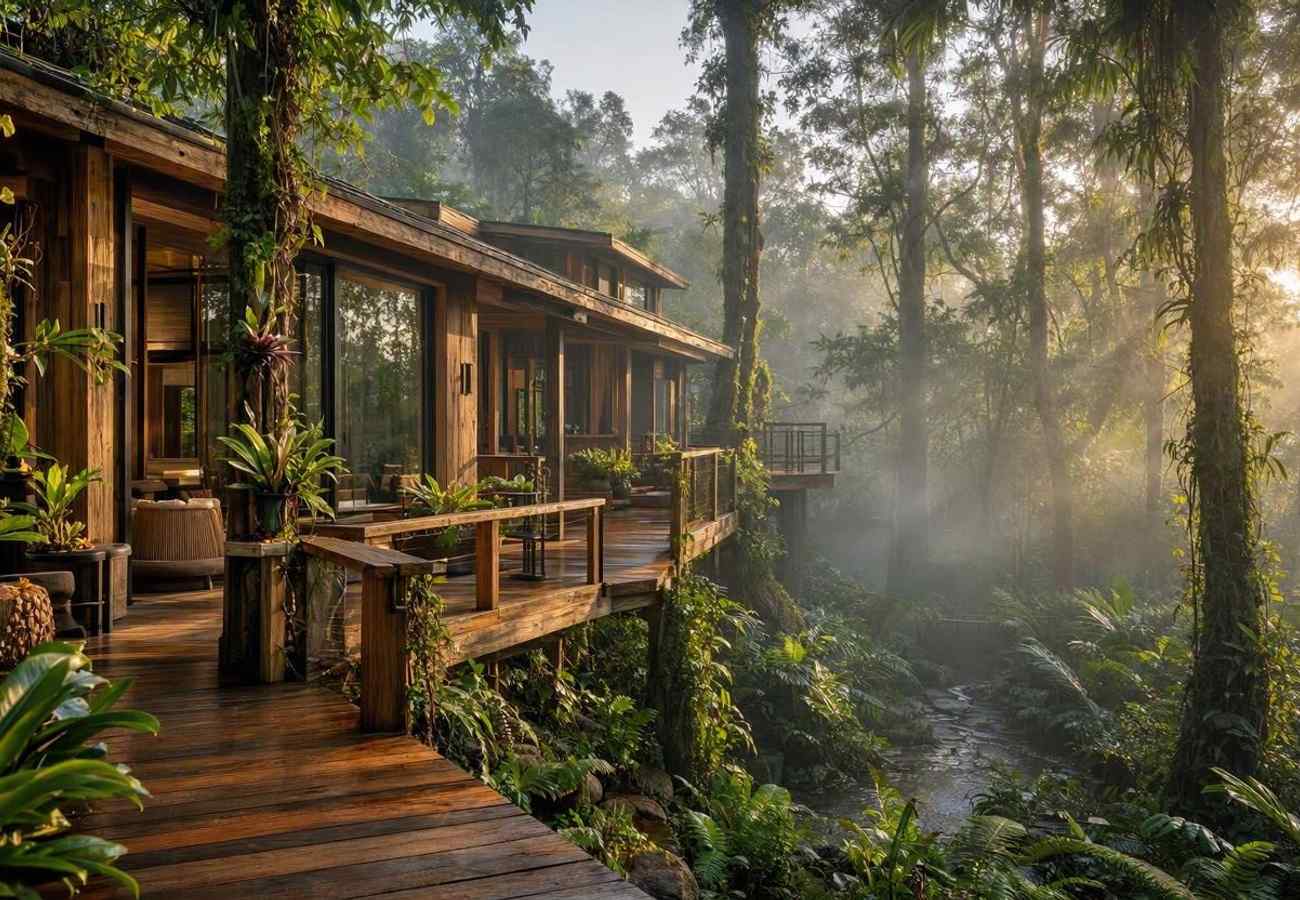
Image generated by AI
Are you trying to verify if your chosen Costa Rican rainforest lodge actually meets national sustainability standards or if it is just "greenwashing"? Understanding the distinction between marketing claims and official government certifications is the only way to ensure your stay supports genuine biodiversity conservation in 2026.
The Costa Rican Sustainable Tourism Framework
Costa Rica does not rely on vague "eco-friendly" labels. Instead, the country employs the Certification for Sustainable Tourism (CST), a rigorous program managed by the Costa Rican Tourism Institute (ICT). This system audits businesses based on four primary pillars: environmental impact, social responsibility, economic viability, and managerial sustainability.
It is important for travelers to ignore unverified rumors regarding new 2026 protocols requiring all lodges to install canopy bridges or implement mandatory guest limits via third-party audits. No such national mandate exists. Instead, the government focuses on a tiered certification system—Basic and Elite—where the Elite level represents the highest standard of environmental mitigation and community integration.
Certified Sustainable Destinations and Lodges
When planning your itinerary, focusing on regions with high densities of Elite-level certifications ensures your transit and stay align with national conservation goals.
| Location | Entity | Certification Level | Status/Validity | Key Feature |
|---|---|---|---|---|
| Osa Peninsula | Corcovado Wilderness Lodge | Elite | Valid thru Feb 2029 | 30-room capacity; High biodiversity focus |
| Monteverde | Monteverde Cloud Forest Preserve | Elite | Certified 2026 | First protected area on IUCN Green List |
| National | SINAC Managed Areas | Regulatory | Ongoing | 44 biological corridors (33% of territory) |
Traveler Logistics Guide
Navigating the rainforest requires more than just a hotel booking; it requires an understanding of the National System of Conservation Areas (SINAC), which regulates visitor flow and environmental impact.
1. Identifying Genuine Eco-Lodges Do not rely on a website's "Eco" prefix. Check the official CST platform to verify if a lodge holds a Basic or Elite certification. For high-impact regions like the Osa Peninsula, prioritize Elite-certified properties to ensure your presence does not contribute to habitat fragmentation.
2. Accessing Protected Areas Most high-biodiversity zones are managed by SINAC. To avoid entry denials or fines:
- Use only authorized, certified guides.
- Verify current visitor quotas for specific national parks before arrival.
- Stick to designated trails to protect the biological corridors that connect protected habitats.
3. Transit and Connection Strategies When moving between hubs like Monteverde and the Osa Peninsula, utilize licensed transport operators. The biological corridors covering 33% of the continental territory mean that even the roads between lodges often pass through sensitive wildlife zones. Ensure your transport provider adheres to SINAC's environmental guidelines.
4. Packing for Sustainability Elite-certified lodges often have strict waste management policies. To comply with 2026 standards, eliminate single-use plastics from your luggage. Many high-end eco-lodges now provide filtered water stations and biodegradable toiletries to maintain their certification status.
Regional Connectivity Impact
The integration of biological corridors has shifted how travelers should view the map of Costa Rica. Rather than seeing national parks as isolated islands, the 44 established corridors create a web of connectivity. This means that accommodation located between protected areas is often just as ecologically sensitive as the parks themselves.
In the Osa Peninsula, the synergy between the Corcovado Wilderness Lodge and the surrounding wilderness demonstrates a model where tourism revenue directly funds the maintenance of these corridors. Similarly, Monteverde's inclusion in the IUCN Green List in 2026 elevates it from a mere tourist attraction to a global benchmark for scientific research and environmental education. For the traveler, this means a shift from passive sightseeing to active participation in a conservation-led economy.
FAQ: Costa Rica Eco-Logistics 2026
Do I need a special permit to visit SINAC protected areas? While most parks require a standard entry ticket, some specific biological corridors or restricted zones may require pre-booked authorized guides. Always check the official SINAC portal before visiting.
What is the difference between Basic and Elite CST levels? Basic certification confirms a business meets mandatory sustainability requirements. Elite certification is awarded to those who demonstrate continuous improvement and a significant positive external impact on the environment and local community.
Are canopy bridges mandatory for all eco-lodges in 2026? No. There is no official national protocol requiring all rainforest lodges to provide canopy bridges or impose guest limits based on third-party audits.
How can I verify a lodge's certification? The most reliable method is to search the official Costa Rican Tourism Institute (ICT) sustainable tourism certification platform using the business's legal name.
Prioritize the Elite seal over the marketing brochure to ensure your footprint is truly light.
Related Travel Guides
Disclaimer
This article is for informational and educational purposes only. It does not constitute legal, financial, or professional advice. While we strive to provide accurate and up-to-date information, travel policies, regulations, and conditions change rapidly. Always verify information with official sources before making travel decisions. Nomad Lawyer makes no representations about the accuracy, reliability, completeness, or suitability of the information provided. Readers should consult qualified professionals for advice specific to their circumstances. The views expressed in this article are those of the author and do not necessarily reflect the views of Nomad Lawyer.
Kunal K Choudhary
Co-Founder & Contributor
A passionate traveller and tech enthusiast. Kunal contributes to the vision and growth of Nomad Lawyer, bringing fresh perspectives and driving the community forward.
Learn more about our team →