
Feast of La Naval de Manila 2026: How Quezon City’s 380-Year Maritime Heritage Powers Faith Tourism

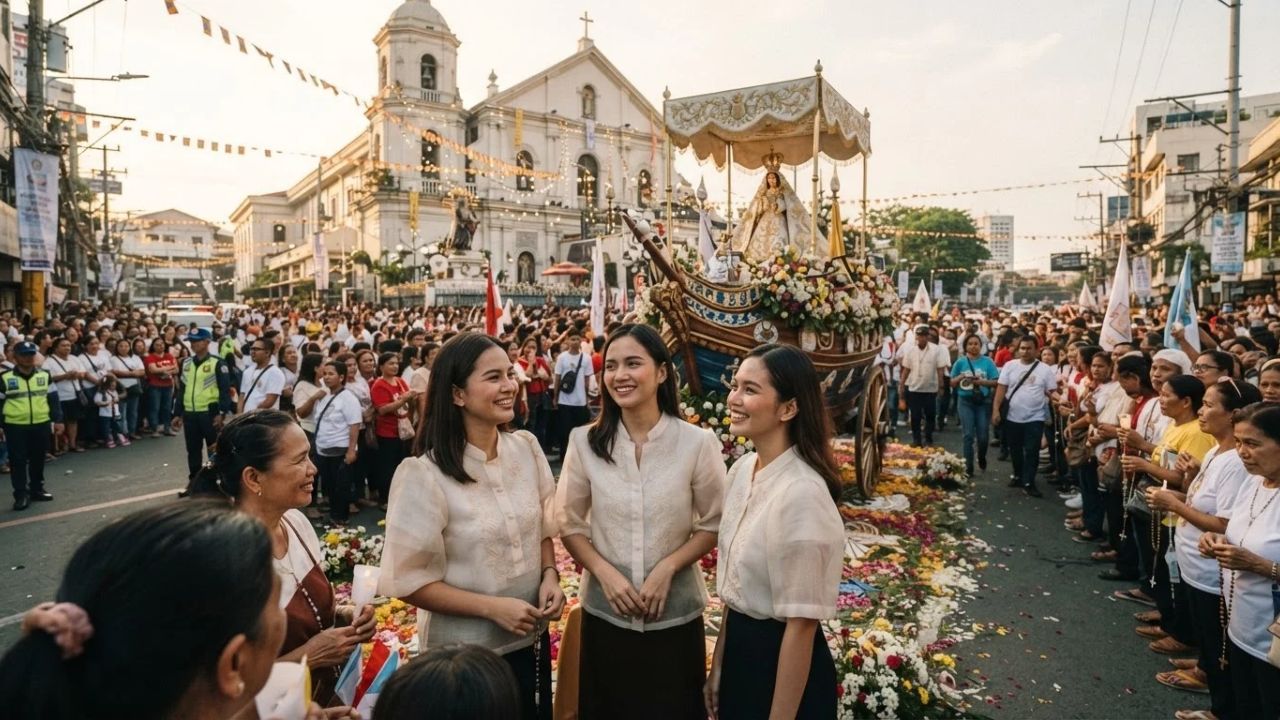
Commemorating 380 years of naval folklore and living devotion since the historic 1646 sea battles, the annual Feast of Our Lady of the Holy Rosary of La Naval de Manila returns to Santo Domingo Church in Quezon City on 11 October 2026, mobilizing tens of thousands of pilgrims across all six municipal districts. Spanning month-long liturgical celebrations, the revered event culminates in a grand twilight procession featuring a monumental, flower-strewn galleon carriage (carroza triunfal) that transforms Quezon Avenue into an open-air river of candlelight, sacred chants, and centuries-old Filipino-Hispanic maritime history.
Promoted by the Quezon City Tourism Department and the Tourism Promotions Board (TPB), La Naval de Manila is recognized as one of the most significant religious and cultural tourism spectacles in Southeast Asia. Beyond the walls of Santo Domingo Church—a National Cultural Treasure designed by National Artist for Architecture José María Zaragoza—the pre-feast pilgrim journey (El Recorrido) weaves through local neighborhoods across all six districts of Quezon City, demonstrating how grassroots faith traditions stimulate district transit, neighborhood hospitality, and authentic cultural tourism.
The Local Trend Revealed: Decentralizing Metro Manila Tourism Through Living Heritage
For decades, international cultural travelers exploring Metro Manila concentrated almost exclusively on the historic Spanish colonial walled city of Intramuros in Manila proper, touring Fort Santiago and San Agustin Church. However, a significant shift in cultural travel is currently underway across the capital region. Travel enthusiasts are increasingly venturing into Quezon City—the country’s former capital—to experience authentic religious traditions that are actively practiced by multi-generational communities rather than staged as static museum exhibits.
La Naval de Manila provides a compelling gateway into this urban cultural awakening:
- The Spiritual Epicenter: Santo Domingo Church along Quezon Avenue serves as the permanent sanctuary for the ivory image of Our Lady of the Holy Rosary, sculpted in 1593 by a Chinese artisan under the direction of the Dominican friars. During the October festivities, the cavernous Spanish Modernist nave hosts daily novena Masses that gather families, university students, and international pilgrims.
- Citywide Mobilization via El Recorrido: Rather than keeping the sacred icon confined to a single sanctuary, the city government coordinates El Recorrido—an extensive pre-feast journey transporting the image through parish communities across all six districts of Quezon City. Documented city routes from 2025 saw the procession move seamlessly from District 1 to District 6, then through District 5, before visiting outlying barangays. This decentralized format invites residential communities into direct participation, driving foot traffic to neighborhood bakeries, family-owned carinderias, and transport cooperatives.
- The Grand Naval Carroza: The crowning visual spectacle occurs on the second Sunday of October (11 October 2026), when the image is borne atop an extraordinary ship-shaped carriage. Resembling an ancient 17th-century Spanish galleon adorned with thousands of fragrant white orchids, sampaguita garlands, and brass lanterns, the carriage recalls the maritime roots of the celebration while invoking protection for modern seafarers and maritime travelers.
Cultural & Environmental Value: Commemorating 1646 and Fostering Sustainable Urban Stewardship
To appreciate the cultural depth of La Naval de Manila, one must understand its pivotal role in Philippine national history:
The 1646 Battles of La Naval de Manila
In 1646, amidst the Eighty Years' War, five separate naval incursions by superior Dutch Protestant battle fleets threatened to seize the Spanish-controlled Philippine archipelago. Defending the islands were merely two aging Manila galleons—the Encarnación and the Rosario—manned by joint Spanish and native Filipino crews. Prior to each engagement, the naval commanders and sailors vowed to walk barefoot to the shrine of Our Lady of the Rosary in Manila if granted victory. Against overwhelming firepower, the joint defenders repelled all five Dutch assaults, cementing the battle in Philippine historical consciousness as a defining moment of national deliverance and inter-cultural solidarity.
Zero-Waste Initiatives and Community Flower Cooperatives
Modern celebrations in Quezon City balance massive public crowds with forward-looking environmental stewardship:
- Green Festival Management: In coordination with the Quezon City Climate Change and Environmental Sustainability Department (CCESD), local parish groups and "Green Brigades" actively monitor the procession corridor, urging devotees to carry reusable metal candle shields instead of disposable plastic cups, ensuring post-event cleanup along Quezon Avenue is completed swiftly without sending waste to landfills.
- Empowering Indigenous Flower Growers: The elaborate floral decorations adorning the galleon carriage and church altar directly support regional agricultural cooperatives. Thousands of strands of sweet sampaguita (Arabian jasmine)—the national flower of the Philippines—are sourced from smallholder farming families in San Pedro, Laguna, and Pampanga, injecting vital economic stimulus into rural cottage industries.
Visitor Insider Tips: Navigating Quezon City During La Naval Festivities
Experiencing La Naval de Manila requires thoughtful planning, situational awareness, and respect for religious traditions:
Strategic Timing and Procession Viewing Perches
- Arrive Early on Feast Day (11 October): The grand procession typically departs the Santo Domingo courtyard around 16:00, winding slowly along Quezon Avenue before returning for the solemn enthronement and singing of the Salve Regina and Despedida. Arrive by 14:00 to explore the church interior and secure an unobstructed viewing location.
- Elevated Vantage Points: The elevated pedestrian footbridges spanning Quezon Avenue—especially near the intersection of Biak-na-Bato and Sto. Domingo Avenue—provide photographers with spectacular elevated angles to capture the illuminated galleon float cutting through the candlelit crowd at dusk.
- Transit Options to Avoid Gridlock: Quezon Avenue experiences major traffic diversions and road closures managed by the Quezon City Department of Public Order and Safety (DPOS) and the Philippine National Police. Bypassing vehicular congestion is easiest by taking the MRT-3 rapid transit line to Quezon Avenue Station, then taking a westbound modernized public utility vehicle (e-jeepney) or walking toward Santo Domingo Church.
Temple Etiquette and Sacred Norms
- Modest Shrine Attire: Santo Domingo is an active, solemn Catholic sanctuary. Wear respectful clothing covering shoulders and knees; avoid sleeveless tops, tank tops, and beach shorts.
- Participating in the Besapiés: Following major liturgies, pilgrims queue patiently for the traditional Besapiés (veneration of the Virgin’s mantle or foot). Approach quietly without pushing, and disable camera flashes inside the sanctuary during prayer recitations.
- Weather Preparedness: October falls within the tail end of the Southwest monsoon (Habagat). Carry a compact folding umbrella and light raincoat, as sudden tropical afternoon downpours are common during outdoor processions.
Hidden Architectural and Cultural Spots Nearby
- The Sto. Domingo Convent Museum: Located inside the monastery complex, this repository displays centuries-old liturgical silver vestments, Spanish colonial religious artwork, and rescued artifacts saved when the original Intramuros church was destroyed during World War II.
- Ninoy Aquino Parks and Wildlife Center: Situated just a short drive down Quezon Avenue, this 64-hectare urban nature park offers a tranquil lagoon, rescued native wildlife, and walking paths beneath towering mahogany and dipterocarp trees.
- Tomas Morato and Timog Culinary Enclaves: Located 10 minutes east of the church, these twin dining avenues form Quezon City's premier lifestyle district, lined with independent coffee shops, historic bakeries, and regional Filipino bistros.
Flavors of Quezon City: Festive Filipino Comfort Gastronomy
Feast days in the Philippines are celebrated through communal culinary banquets that blend indigenous Malay flavors, Spanish colonial recipes, and Chinese culinary techniques:
- Pancit Luglug / Palabok: The definitive Philippine festival noodle. Thick rice noodles are smothered in a rich, vibrant golden sauce made from crushed shrimp heads, garlic, and annatto seed oil. The noodles are garnished with shredded smoked fish flakes (tinapa), crispy crushed pork rcracklings (chicharrón), hard-boiled egg slices, fried tofu cubes, and a squeeze of fresh native calamansi lime.
- Traditional Kare-Kare: A luxurious celebratory stew made from tender slow-simmered beef oxtail, tripe, and beef shank cooked in a thick, savory toasted rice and ground peanut sauce. Tossed with tender string beans, sliced eggplant, and banana blossom hearts (puso ng saging), it is eaten with steamed white rice and pungent sautéed fermented shrimp paste (bagoong alamang).
- Warm Puto Bumbong and Bibingka: Outside Santo Domingo Church, street stalls steam traditional seasonal delicacies over hot coals. Savor puto bumbong—purple heirloom glutinous rice (pirurutong) steamed inside slender bamboo tubes, served hot and slathered with fresh butter, grated coconut, and dark muscovado sugar—alongside fluffy bibingka baked in clay ovens between banana leaves and topped with salted duck egg.
- Crispy Lechon de Leche: A whole suckling pig seasoned with crushed garlic, lemongrass, and bay leaves, slow-roasted over hardwood charcoal until the mahogany skin shatters like glass, served with sweet-tangy spiced liver dipping sauce.
Tourism Outlook: Cementing Quezon City as a Premier Cultural Destination
The enduring appeal of the Feast of La Naval de Manila demonstrates that heritage travel in the Philippines thrives far beyond white-sand tropical beaches and diving atolls. As international travelers increasingly prioritize authentic encounters with living human history, Quezon City’s ability to mobilize six municipal districts around a 380-year-old tradition sets an inspiring standard for urban cultural tourism.
By partnering with local heritage foundations, enforcing sustainable festival logistics, and celebrating the deep historical bonds connecting Spain, the Philippines, and the Dominican Order, Quezon City transforms an ancient naval vow into a forward-looking economic and spiritual engine. For global travelers seeking to understand the resilient soul of the Filipino people, the illuminated galleon of La Naval offers an unforgettable journey into the heart of living faith.
Related Travel Guides
- Thailand and Uzbekistan Lead Asian Tourism Realignment: Visa Liberalization, Transit Corridors, and Silk Road Connectivity
- Suriname Ramlila Week Brings Living Heritage to Saramacca: Cultural Tourism and Community Unity in Groningen
- Australian Travel Surges to Record 12.71 Million Departures: Bali, Japan, and New Zealand Dominate Post-Pandemic Escapes
Disclaimer
This article is for informational and educational purposes only. It does not constitute legal, financial, or professional advice. While we strive to provide accurate and up-to-date information, travel policies, regulations, and conditions change rapidly. Always verify information with official sources before making travel decisions. Nomad Lawyer makes no representations about the accuracy, reliability, completeness, or suitability of the information provided. Readers should consult qualified professionals for advice specific to their circumstances. The views expressed in this article are those of the author and do not necessarily reflect the views of Nomad Lawyer.
Raushan Kumar
Founder & Lead Developer
Full-stack developer with 11+ years of experience and a passionate traveller. Raushan built Nomad Lawyer from the ground up with a vision to create the best travel and law experience on the web.
Learn more about our team →