
Fall Airfares Rewrite U.S. Travel Calendar as Autumn Tickets Rise 39%
U.S. domestic airfares average $326 for fall 2026, up 39% year-on-year, as high fuel costs and fading budget carrier competition eliminate shoulder-season deals.

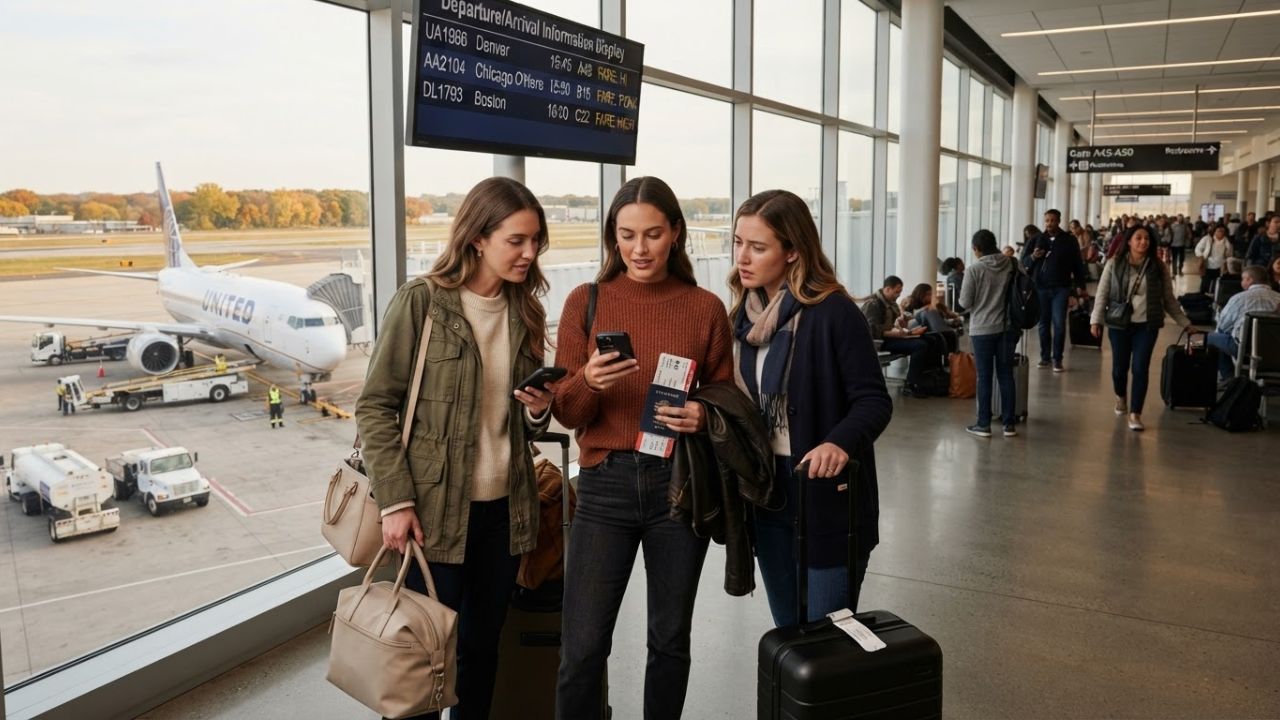
Image generated by AI
Domestic airfares within the United States are averaging $326 per ticket for fall 2026, marking a 39 percent increase compared to the same period in 2025. This pricing shift is rewriting the US travel calendar, as elevated jet fuel costs and reduced low-cost competition push autumn ticket prices 1 percent higher than summer averages.
The Local Trend Revealed
Historically, the period between Labor Day and early November offered travelers a reliable shoulder-season discount. In 2026, however, the combination of high operational costs and reduced capacity from budget operators is keeping fares elevated. According to the International Air Transport Association (IATA), fuel is expected to account for approximately 25.7 percent of global airline operating costs in 2026. The Argus US Jet Fuel Index reached $3.75 per gallon on August 24, 2026—a 50 percent increase from its late-February level:
- Regional Fare Increases: US domestic fares rose 39 percent. Internationally, flights to Europe are up 33 percent, Mexico and Central America rose 31 percent, and routes to Asia, the Middle East, and Africa increased 17 percent.
- Airline Fuel Expenses: In Q2 2026, United Airlines reported $5.11 billion in fuel costs (up 84.1 percent year-on-year), Delta Air Lines reported adjusted Q2 fuel expenses of $4.4 billion (with fuel reaching $3.93 per gallon), and American Airlines faced fuel costs exceeding $4.8 billion (up 83 percent).
- Fading Low-Cost Competition: The departure of budget operators like Spirit Airlines from several domestic routes has reduced competitive pricing pressure. Traditionally, the entry of a budget carrier on a route reduced average fares by 20 percent initially, settling at 10 percent below previous levels.
- Government Pricing Data: The Bureau of Transportation Statistics (BTS) reported an inflation-adjusted average domestic fare of $428 in Q1 2026, up 4.7 percent from the previous quarter. The BTS expanded its ticket sampling methodology from 10 percent to 40 percent starting in July 2025.
Environmental & Local Community Value
For the traveler, high airfares provide an opportunity to reconsider regional, low-carbon transit. By choosing passenger rail networks (like Amtrak) instead of flying for mid-distance travel, passengers can lower their carbon footprint. Passenger rail travel emits up to 83 percent less greenhouse gases per passenger-mile than domestic flights, helping support climate goals monitored by the Federal Aviation Administration (FAA).
Additionally, travelers can support local economies by opting for drive-to destinations. Spending vacation budgets at independent, family-owned bed-and-breakfasts and local farms rather than major resort chains ensures that tourism revenues remain in the community, helping offset the financial impact of higher travel costs.
Visitor Insider Tips for Booking Autumn Flights
Travel specialists recommend the following strategies to navigate the high-fare environment:
- Use Fare Trackers and Book Early: Set up alerts on platforms like Google Flights. For holiday travel (Thanksgiving and Christmas), book as early as possible. United CEO Scott Kirby noted on August 25, 2026, that demand remains strong and fares are expected to rise gradually into early 2027.
- Identify the Cheapest Travel Window: Since the autumn shoulder season has lost its price advantage, target the late-winter window (mid-January through February, excluding holiday weekends), which is currently the lowest-priced flight period of the year.
- Utilize Secondary Airports: Compare fares at nearby regional airports. Choosing Burbank instead of LAX, or Manchester-Boston Regional instead of Boston Logan, can yield savings and lower parking costs.
- Manage Luggage Dimensions: Avoid gate-checking fees by adhering strictly to carry-on baggage limits. Because flights are operating at high capacity, overhead bin space fills quickly; board early in your zone if possible.
- Sample Hub Dining Specialties: If your itinerary involves a layover at a major U.S. hub, try local food options:
- At Chicago O'Hare (ORD): Grab a classic Chicago-style Hot Dog at a local terminal stand.
- At Atlanta Hartsfield-Jackson (ATL): Try traditional Southern Fried Chicken and waffles.
Tourism Outlook
The long-term impact of elevated fall airfares will force tourism boards and hotels to adjust their shoulder-season strategies. Destinations that rely on fly-in visitors may see softer demand, prompting hotels to bundle amenities (such as parking, breakfasts, or local tours) to reduce the perceived cost of expensive flights. Airlines are expected to balance capacity carefully, protecting profit margins rather than filling seats through aggressive discounts, as monitored by the U.S. Department of Transportation (DOT).
FAQ: U.S. Fall Airfare Increases
Why are fall 2026 airfares higher than in previous years? Fall 2026 airfares are higher due to sustained increases in jet fuel costs—which represent 25.7 percent of airline operating expenses—and reduced competition from budget carriers.
How much did U.S. domestic airfares increase for fall 2026? US domestic airfares averaged $326 per ticket, representing a 39 percent increase from fall 2025 levels.
Which international flight regions experienced the highest fare increases? Flights to Europe recorded the highest international increase at 33 percent, followed closely by Mexico and Central America at 31 percent.
What was the fuel expense for major airlines in Q2 2026? United Airlines reported $5.11 billion, Delta Air Lines reported adjusted fuel costs of $4.4 billion, and American Airlines faced fuel expenses exceeding $4.8 billion.
Related Travel Guides
Disclaimer
This article is for informational and educational purposes only. It does not constitute legal, financial, or professional advice. While we strive to provide accurate and up-to-date information, travel policies, regulations, and conditions change rapidly. Always verify information with official sources before making travel decisions. Nomad Lawyer makes no representations about the accuracy, reliability, completeness, or suitability of the information provided. Readers should consult qualified professionals for advice specific to their circumstances. The views expressed in this article are those of the author and do not necessarily reflect the views of Nomad Lawyer.
Raushan Kumar
Founder & Lead Developer
Full-stack developer with 11+ years of experience and a passionate traveller. Raushan built Nomad Lawyer from the ground up with a vision to create the best travel and law experience on the web.
Learn more about our team →