
Passengers Stranded Aircalin After Singapore Changi Cancellations April 2026
Hundreds of passengers stranded aircalin and Air New Zealand flights at Singapore Changi Airport on April 20, 2026, after lightning strikes and technical issues forced sudden cancellations to Auckland and La Tontouta.

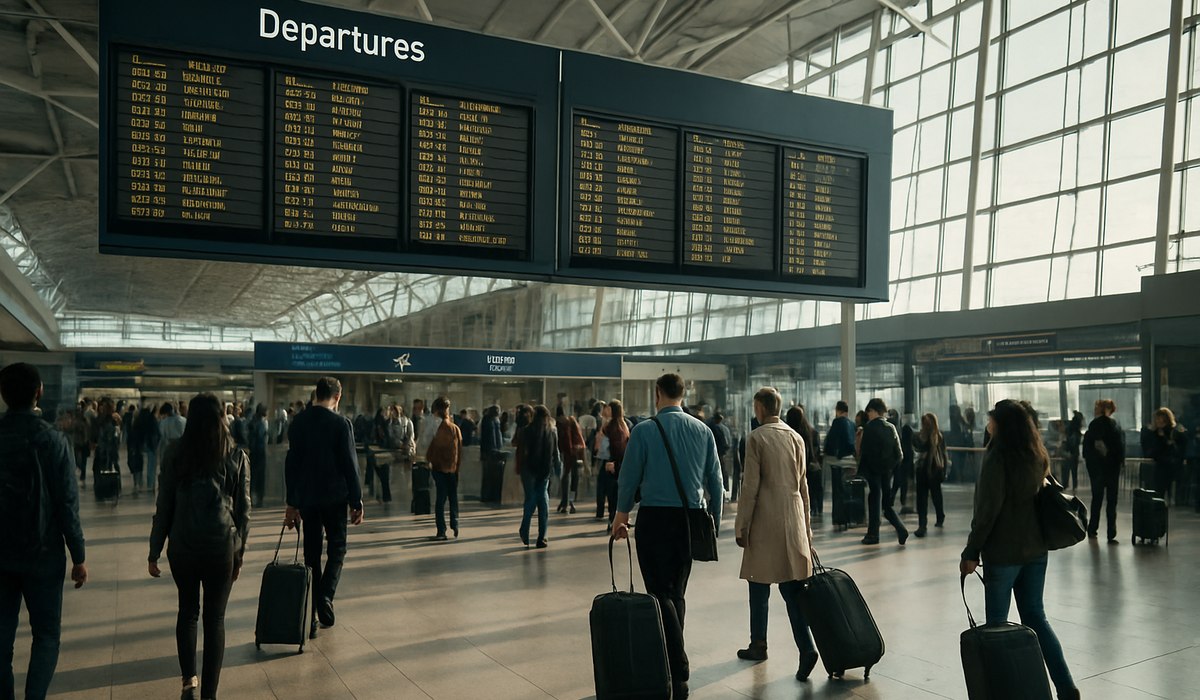
Image generated by AI
Major Disruption Hits Singapore Changi as Hundreds Face Cancellations
Hundreds of travellers experienced unexpected chaos at Singapore Changi Airport on April 20, 2026, when Air New Zealand and Aircalin simultaneously cancelled critical South Pacific routes. The morning saw an Air New Zealand service to Auckland and Aircalin's connecting flight to New Caledonia's La Tontouta abruptly removed from departure boards, leaving passengers stranded aircalin and forcing massive rebooking efforts across the region's most congested hub.
The disruptions rippled across one of Asia-Pacific's busiest transfer points, affecting not only direct passengers but also international travellers connecting from Europe and Southeast Asia on carefully planned South Pacific itineraries. Airport officials reported that cascading cancellations triggered unprecedented queuing at customer service desks during peak weekend travel hours, with digital rebooking systems overwhelmed by simultaneous requests from stranded passengers seeking alternative routing.
Morning Cancellations Hit Auckland and La Tontouta Routes
Early on April 20, Singapore Changi's departure boards reflected an unusual sight: two major long-haul cancellations announced within hours of each other. The Air New Zealand service NZ289 bound for Auckland and Aircalin's SB740 to La Tontouta, Noumea, both disappeared from the schedule, triggering immediate confusion among hundreds of connecting passengers.
The timing proved particularly disruptive given that weekend travel volumes through Changi typically reach near-maximum capacity. Many affected passengers held onward domestic connections from New Zealand and regional flights departing from La Tontouta, meaning a single cancellation at the Singapore hub cascaded into multiple broken itineraries across the Pacific network. Ground handling coordinators reported that by mid-morning, customer service areas were operating at full capacity, with some passengers waiting three to four hours for rebooking assistance or compensation guidance.
Historical traffic data for these routes suggests that both flights routinely operate near full capacity during peak travel periods, meaning the combined passenger impact likely affected between 500 and 800 travellers across both services. International tourists heading to New Zealand's North Island and business travellers connected to French Polynesia and New Caledonian destinations faced the most severe disruption.
Lightning Strike and Technical Issues Behind Wider Disruption
The chain of disruptions originated from two separate operational crises that coincided with devastating timing. Air New Zealand disclosed that one of its wide-body aircraft had sustained a lightning strike while approaching Auckland International Airport earlier in the weekend, necessitating comprehensive safety inspections before returning to service.
Aircraft lightning strikes, while rarely catastrophic, trigger mandatory inspection protocols that can ground aircraft for 24 to 72 hours while engineers examine electrical systems, fuel tanks, and avionics equipment. In Air New Zealand's case, this removal of a key long-haul asset from the fleet directly contributed to cancellation of its Singapore-bound flights as the carrier struggled to redistribute remaining aircraft across its network.
Separately, Aircalin published a service alert on April 19 indicating that technical issues had surfaced on one of its narrow-body aircraft, forcing the cancellation of both the eastbound SB741 (Noumea to Singapore) and westbound SB740 (Singapore to Noumea) services. Aircalin's constrained fleet size—operating primarily regional turboprops and a limited number of international jets—meant no immediate substitute aircraft remained available for the route, with replacements potentially requiring repositioning from other Pacific locations.
The confluence of these two independent events created a rare scenario where both major carriers serving Changi's South Pacific corridor faced simultaneous unplanned groundings, effectively shrinking available capacity by approximately 40 percent on weekend traffic.
Cascading Disruptions Across the Pacific Network
The immediate aftermath revealed just how interconnected South Pacific aviation has become, particularly through Singapore Changi's role as the principal redistribution hub. Passengers originally scheduled through Auckland or La Tontouta discovered that onward connections—some booked weeks in advance—were now at risk, requiring real-time replanning of complex multi-leg itineraries.
New Zealand-bound travellers sought alternative routing through Australian gateways like Sydney or Melbourne, though most available flights on partner carriers were already heavily booked during peak season. For New Caledonia-bound passengers, options proved even more constrained: La Tontouta receives limited weekly service from only a handful of regional operators, and most viable routing requires precise Singapore connections to maintain reasonable travel times.
Tourism operators and business travel coordinators began issuing alerts to clients and stakeholders as the scope of disruption became apparent. The incident underscored the vulnerability of long-haul routes operated by smaller carriers that maintain minimal fleet redundancy and typically operate on tight scheduling margins that leave little buffer for unexpected groundings.
What Passengers Should Know About Rebooking Options
Stranded passengers at Changi faced complex rebooking decisions that required understanding both airline policies and available Pacific routing alternatives. Air New Zealand, as a major international carrier, generally offered rebooking on partner airlines including codeshare arrangements with Star Alliance members, though availability on alternative dates was limited during weekend travel surge.
Aircalin passengers encountered narrower options given the carrier's smaller network footprint. The airline coordinated rebooking through partner carriers where available, though some travellers reported waiting 24 to 48 hours for confirmations due to system volume and communication delays between airlines.
Ticket conditions significantly affected passenger outcomes. Passengers holding fully refundable fares could elect refunds and rebook independently, while those with restricted economy tickets faced mandatory rebooking on available flights, sometimes with multi-day delays. Compensation eligibility under EU261 regulation and equivalent Pacific framework agreements depended on citizenship and ticket origin, creating additional complexity for international passengers.
Airlines generally provided meal vouchers, airport lounge access, and communication credits where standard commercial practice applied, though accommodation support varied. Travellers with travel insurance discovered that cancellation coverage often excluded operational decisions and weather-related events, meaning reimbursement claims required careful documentation and policy review.
Traveler Action Checklist
-
Contact your airline immediately through official channels (phone, website, app) rather than waiting at customer service desks during peak disruption periods.
-
Document your situation with boarding passes, itinerary confirmations, and photographs of departure board cancellation notices for potential compensation claims.
-
Review your ticket conditions on the airline's website to understand whether your fare qualifies for refunds or restricts rebooking to the same carrier only.
-
Check travel insurance coverage for cancellation benefits, which may require airline-issued cancellation notices and specific documentation procedures.
-
Monitor official airline social media and check FlightAware for real-time operational updates and fleet availability information.
-
Research alternative routing independently using booking sites, as agents may prioritize same-airline rebooking even when better alternatives exist.
-
Request written confirmation of any rebooking, hotel arrangements, or meal provisions before departing the airport.
-
File compensation claims with your airline or relevant aviation authority if disruptions exceeded two hours, noting applicable regulations based on departure jurisdiction.
Key Data: Disruption Timeline and Affected Services
| Metric | Details |
|---|---|
| Date of Disruption | April 20, 2026 |
| Location | Singapore Changi Airport (SIN) |
| Air New Zealand Flight | NZ289 to Auckland (AKL) |
| Aircalin Flight | SB740 to La Tontouta (NOU) |
| Estimated Passengers Affected | 500-800 across both flights |
| Primary Cause | Lightning strike (Air NZ) + Technical malfunction (Aircalin) |
| Aircraft Grounding Duration | 24-72 |
Disclaimer
This article is for informational and educational purposes only. It does not constitute legal, financial, or professional advice. While we strive to provide accurate and up-to-date information, travel policies, regulations, and conditions change rapidly. Always verify information with official sources before making travel decisions. Nomad Lawyer makes no representations about the accuracy, reliability, completeness, or suitability of the information provided. Readers should consult qualified professionals for advice specific to their circumstances. The views expressed in this article are those of the author and do not necessarily reflect the views of Nomad Lawyer.
Preeti Gunjan
Contributor & Community Manager
A passionate traveller and community builder. Preeti helps grow the Nomad Lawyer community, fostering engagement and bringing the reader experience to life.
Learn more about our team →