
Explore Chios, Greece’s Hidden Historical War Trail Today
Explore Chios, Greece’s Hidden Historical War Trail Today

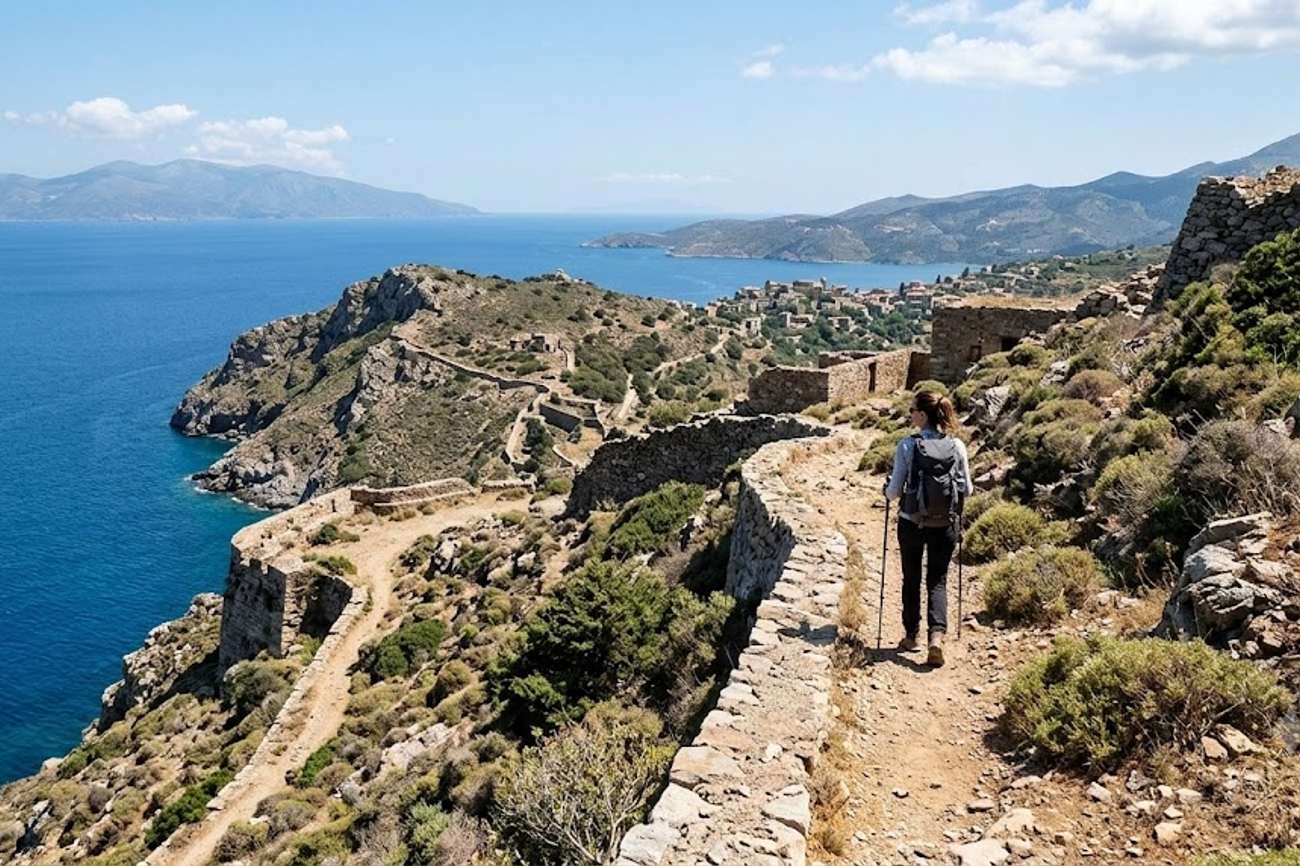
Image generated by AI
title: "The Pivot to Memory Tourism: Chios and the Diversification of the North Aegean Market" date: 2024-05-22 category: Industry Analysis tags: [Chios-Memory-Tourism-2024, North-Aegean-Visitor-Growth, Pass-Partout-Network-Expansion, Greek-Cultural-Tourism-Metrics]
While traditional Aegean tourism has historically peaked during a narrow 12-week summer window, the Municipality of Chios is now pivoting toward "War Memorial Tourism" to decouple its economy from seasonal volatility. This strategic shift aligns with a broader European movement toward thematic travel, moving away from the generic "sun and sea" model that has dominated the Greek islands for decades. By integrating into the "War Memorial Tourism Greece" network, Chios is transitioning from a passive destination to a structured educational hub, targeting a high-yield demographic of heritage travelers who prioritize historical depth over leisure infrastructure.
The Memory Market in Numbers: Chios' Strategic Pivot
The decision by the Municipality of Chios to join the "War Memorial Tourism Greece" network—an entity established in 2016 by Pass Partout Tourism Marketing—is not merely a cultural gesture but a data-driven attempt to capture a specific market segment. The initiative focuses on three distinct historical pillars: the 1821 Greek War of Independence, the 1822 Chios Massacre, and the resistance movements of World War II.
By formalizing these itineraries, Chios is attempting to solve a common problem in regional tourism: fragmented data. Previously, historical sites were isolated pockets of interest. Now, through standardized digital mapping and multilingual interpretive centers, the municipality is creating a "cultural corridor." This allows for the quantification of visitor flows across previously under-visited sites, such as coastal defensive structures and remote northern settlements, effectively redistributing tourist density away from the primary mastic-producing regions.
According to data trends monitored by the World Tourism Organization (UNWTO), there is a measurable global increase in "purpose-driven travel." For Chios, this means targeting the "Heritage Tourist," a demographic that typically stays longer and spends more per capita on local services than the average cruise passenger. The inclusion of the UNESCO-listed Nea Moni monastery within this upgraded infrastructure ensures that the island leverages existing global prestige to pull visitors into its newer, specialized war memorial trails.
Comparative Context: The Shift from Leisure to Legacy
When comparing the North Aegean’s historical approach to the South Aegean (e.g., Santorini or Mykonos), the difference in market positioning is stark. While the South focuses on luxury and aesthetics, the North is increasingly leveraging "collective memory" as a competitive advantage. The "War Memorial Tourism Greece" network provides a standardized framework that allows Chios to compete not just with other islands, but with established European historical destinations.
The following table illustrates the shift in strategic focus for Chios as it integrates into the national memory network:
| Metric | Traditional Tourism Model (Pre-Integration) | Memory Tourism Model (Post-Integration) |
|---|---|---|
| Primary Driver | Beach/Mastic Production | Historical Memory & Education |
| Seasonality | High Peak (June - August) | Extended Shoulder (March - November) |
| Visitor Profile | General Leisure / Sun-Seekers | Heritage Buffs / Academic Travelers |
| Infrastructure | Hotel/Resort Centric | Museum/Memorial/Archive Centric |
| Navigation | Fragmented Local Knowledge | Standardized National Network Maps |
| Economic Impact | Concentrated in Coastal Hubs | Distributed Across Northern Settlements |
This transition mirrors a wider trend seen in IATA's passenger data, where regional airports are seeing a rise in "niche" travel patterns—travelers flying into secondary hubs specifically for specialized interests rather than general vacationing. By aligning with Pass Partout Tourism Marketing, Chios is effectively outsourcing its market positioning to a specialist that understands how to signal "academic precision" to an international audience.
What This Means for Travelers
For the individual traveler, the "institutionalization" of Chios' history means the barrier to entry for deep cultural exploration has dropped significantly. You no longer need a local historian or fragmented archives to piece together the island's narrative; the infrastructure is being retrofitted for independent, high-value exploration.
Actionable Booking Advice:
- Timing the Visit: If you are visiting for the historical trails, target the shoulder seasons (April-May or September-October). The municipality's goal is to stabilize winter metrics, meaning you will find fewer crowds at the 1822 Massacre memorials and the WWII resistance sites during these windows.
- Logistical Planning: Chios is geographically dispersed. With the rollout of new digital mapping and specialized brochures at local tourist offices, travelers should now plan their itineraries by "epoch" rather than by "village." Group your visits to the 1821 uprising sites in one block and the WWII remnants in another to minimize transit time.
- Infrastructure Utilization: Prioritize the updated interpretive centers. The shift toward "multilingual informational infrastructure" means that the depth of the experience is no longer dependent on a paid guide. Use the verified tour operator contacts provided by the new national network to access restricted archives or remote defensive structures.
Forward Projection: The Future of North Aegean Tourism
Based on the current trajectory, Chios is positioning itself as a primary node in a larger European network of remembrance. We can expect a "clustering effect" where travelers combine a visit to Chios with other "War Memorial Tourism" sites across Greece, creating a thematic circuit that transcends regional boundaries.
As the municipality continues to upgrade directional signage and digital interfaces, the "educational destination" label will likely attract more institutional travel—university groups, historical societies, and diplomatic delegations. This will lead to a demand for "slow travel" accommodations—boutique stays in fortified villages rather than large-scale resorts. If the data from the first two years of integration shows a successful increase in shoulder-season occupancy, expect Chios to further expand its network to include maritime history and ancient naval contributions, fully diversifying its brand away from the "mastic island" trope.
FAQ: Chios Memory Tourism 2024
Will the focus on war memorials increase travel costs? No. The infrastructure upgrades (signage, digital maps) are municipal investments. While specialized guided tours may carry a premium, the primary historical sites remain accessible to the general public, often through standardized national networks.
Is this a good time to book a heritage trip to Chios? Yes. As the "War Memorial Tourism Greece" network integrates its digital tools, the island is becoming significantly more accessible for independent travelers who previously found the historical data too fragmented to navigate.
Which airlines are expanding routes to support this niche? While specific carrier expansions are tied to overall Aegean demand, the shift toward shoulder-season tourism encourages more frequent year-round regional flights rather than the "summer-only" charters common in the islands.
Are the historical sites accessible to non-Greek speakers? Yes. A core component of the new municipal initiative is the implementation of comprehensive multilingual informational infrastructure across museums, monasteries, and memorials to attract international heritage tourists.
The transformation of Chios from a seasonal retreat to a repository of European memory signals a sophisticated evolution in how regional destinations monetize history.
Related Travel Guides
Disclaimer
This article is for informational and educational purposes only. It does not constitute legal, financial, or professional advice. While we strive to provide accurate and up-to-date information, travel policies, regulations, and conditions change rapidly. Always verify information with official sources before making travel decisions. Nomad Lawyer makes no representations about the accuracy, reliability, completeness, or suitability of the information provided. Readers should consult qualified professionals for advice specific to their circumstances. The views expressed in this article are those of the author and do not necessarily reflect the views of Nomad Lawyer.
Raushan Kumar
Founder & Lead Developer
Full-stack developer with 11+ years of experience and a passionate traveller. Raushan built Nomad Lawyer from the ground up with a vision to create the best travel and law experience on the web.
Learn more about our team →