
15 Middle East Nations Face Tourism Crisis After Iran Missile Strikes on Bahrain, Kuwait — Dubai, Doha Brace for Booking Collapse
Iran's reported missile strikes on Bahrain and Kuwait on June 28 trigger immediate tourism freefall across 15 Middle East nations, with airspace chaos and booking cancellations cascading from Dubai to Cairo.

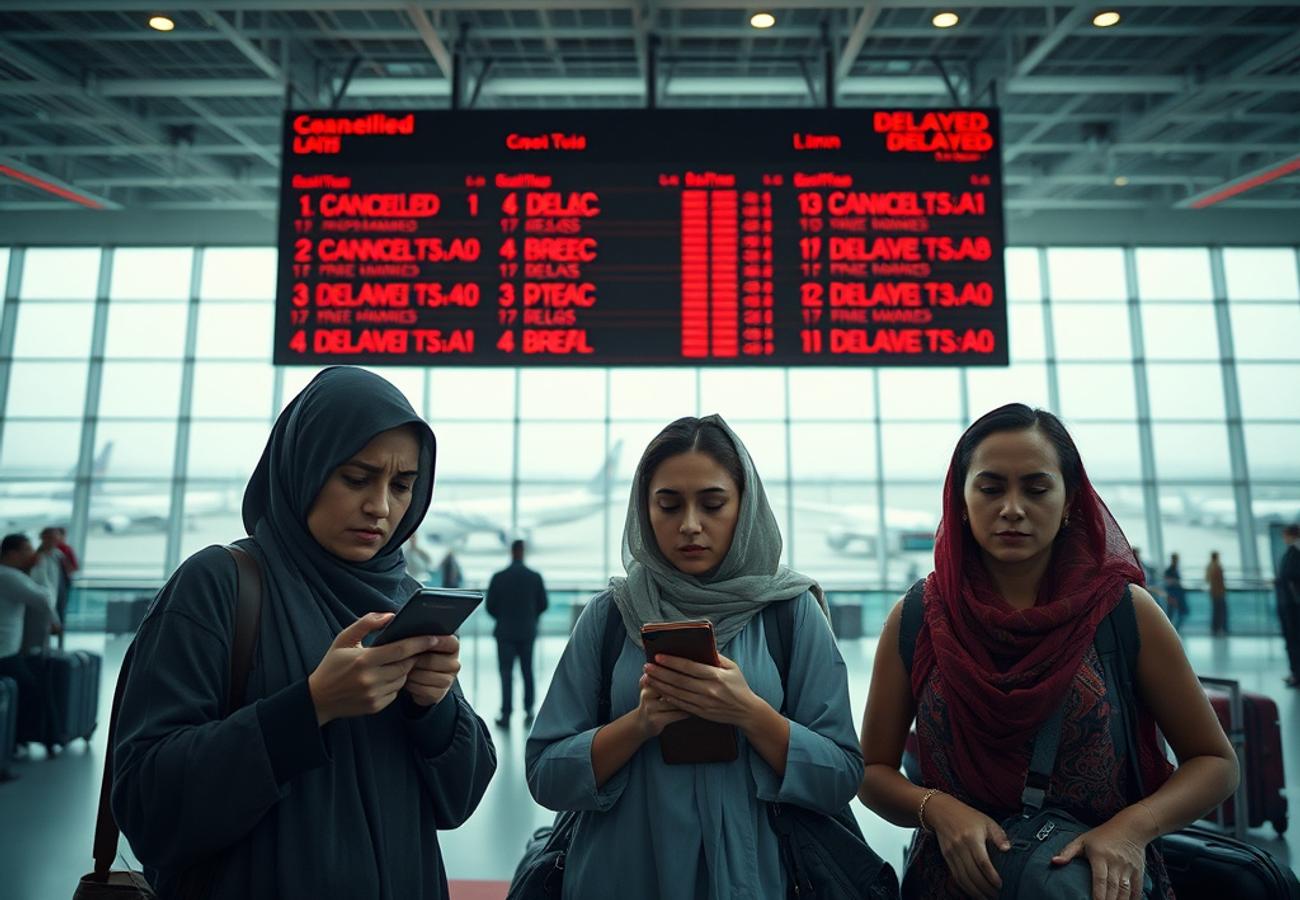
Image generated by AI
The Middle East tourism sector just experienced a seismic shock. On 28 June 2026, reported Iranian missile strikes targeting Bahrain and Kuwait didn't just trigger military concern—they unleashed a cascade of booking cancellations, airspace uncertainty, and investor panic that has now engulfed fifteen nations across the Gulf region and beyond.
This isn't theoretical geopolitical posturing. This is a real-time tourism collapse unfolding across one of the world's fastest-growing hospitality corridors.
The Immediate Blast Radius: Direct Impact Zones
Bahrain took the brunt of reported strike activity on June 28, and the tourism consequences have been swift and brutal.
Manama's hotels are experiencing sudden cancellations. Weekend GCC visitor traffic—the lifeblood of Gulf regional tourism—has dried up. Corporate travel postponements are cascading. Even without confirmed large-scale structural damage, Bahrain's tourism reputation is hemorrhaging because of its strategic military association with US Fifth Fleet operations.
Kuwait faces a similar immediate crisis. Reported strike activity has triggered a rapid tourism slowdown. Regional weekend tourism has declined sharply. Airline load forecasting is being revised downward. The hospitality sector is bracing for prolonged booking hesitancy.
Reddit: "Just cancelled my Kuwait business trip. Hotels are offering refunds without pushback. Nobody's going there for leisure right now." — r/travel
The Confidence Shock: High-Sensitivity Nations
United Arab Emirates—specifically Dubai and Abu Dhabi—remains the operational anchor, but don't mistake stability for immunity.
Noticeable slowdown in new long-haul bookings is already visible. European and Asian tour package sales have hit a temporary pause. Travel insurance inquiries for Gulf itineraries have spiked dramatically. Luxury tourism, which drives substantial UAE revenue, is particularly sensitive to geopolitical signals. The UAE continues normal airport and hotel operations, but the psychological damage to forward demand is undeniable.
Qatar's Hamad International Airport keeps running full operations. Yet perception-driven demand is softening. Reduced leisure stopover bookings are measurable. Corporate travel planning has turned cautious. Airlines and tour operators are actively managing uncertainty while maintaining connectivity as a world-class transit hub—but hesitation is spreading among travelers and booking agents alike.
Saudi Arabia's long-term tourism transformation strategy remains intact, but external instability is creating short-term sentiment damage. Coastal tourism project bookings show noticeable caution. Luxury travel demand has softened temporarily. Religious tourism remains stable, but investor confidence shows visible cracks.
The Secondary Wave: Indirect Spillover Impact
Oman is positioning itself as the peaceful alternative in the Gulf. Yet even this "safe destination" narrative faces mild booking slowdown. European bookings have hesitated. Cruise itinerary reassessments are underway.
Egypt—one of the region's most tourism-dependent economies—is experiencing Red Sea resort hesitation. Cruise route safety perception is being actively monitored. European tour operators have adjusted their risk messaging. Core destinations like Cairo and Luxor remain relatively strong, but the uncertainty is real.
Jordan, home to Petra and the Dead Sea, remains structurally one of the region's safest destinations. Yet group tour bookings are facing delays. European operators are introducing flexible cancellation policies as a competitive necessity.
Turkey, functioning as a global aviation powerhouse, is simultaneously gaining and losing. Istanbul's transit operations remain robust. But leisure travel sees minor hesitation spikes, and rerouting activity is increasing as airlines seek alternatives to Gulf airspace.
The Three-Layer Crisis Map
The Middle East tourism ecosystem has now fractured into three distinct vulnerability zones:
Direct Impact Zone: Bahrain, Kuwait face immediate cancellations and security-driven demand destruction.
High Sensitivity Zone: UAE, Qatar, Saudi Arabia, and Oman experience perception-driven booking softness despite operational continuity.
Indirect Spillover Zone: Egypt, Turkey, Jordan, Iraq, Lebanon, Israel, Iran, Syria, and Yemen show measurable but varied secondary effects—ranging from mild booking hesitation to reinforced travel restrictions.
Iran's Tourism Isolation Deepens
Iran's reported involvement in the strikes on Bahrain and Kuwait significantly intensifies its already severely restricted tourism environment. International travel advisories are tightening further. Tour operator programs face suspension. Flight connectivity interest has evaporated. Long-term destination perception damage will take months or years to repair.
What This Means for Travelers
Check your airline's flexible rebooking policies before booking Gulf destinations. Travel insurance with geopolitical coverage is no longer optional—it's essential. Monitor official State Department travel advisories before confirming itineraries in the region. Corporate travel managers should expect increased cancellation requests and budget volatility.
The Middle East tourism crisis of June 2026 isn't a temporary blip. It's a structural confidence shock that will reshape booking patterns, insurance requirements, and airline routing for months ahead.
The real question isn't whether tourism will recover—it's how fast traveler confidence can be rebuilt when geopolitical escalation remains unpredictable.
Related Travel Guides
Disclaimer
This article is for informational and educational purposes only. It does not constitute legal, financial, or professional advice. While we strive to provide accurate and up-to-date information, travel policies, regulations, and conditions change rapidly. Always verify information with official sources before making travel decisions. Nomad Lawyer makes no representations about the accuracy, reliability, completeness, or suitability of the information provided. Readers should consult qualified professionals for advice specific to their circumstances. The views expressed in this article are those of the author and do not necessarily reflect the views of Nomad Lawyer.
Raushan Kumar
Founder & Lead Developer
Full-stack developer with 11+ years of experience and a passionate traveller. Raushan built Nomad Lawyer from the ground up with a vision to create the best travel and law experience on the web.
Learn more about our team →