
European Hotels Embrace Hay and Meadow Grass for Sustainable Luxury
Eco-conscious hotels across Europe adopt hay, meadow grass, and straw to redefine circular hospitality and sustainable design.

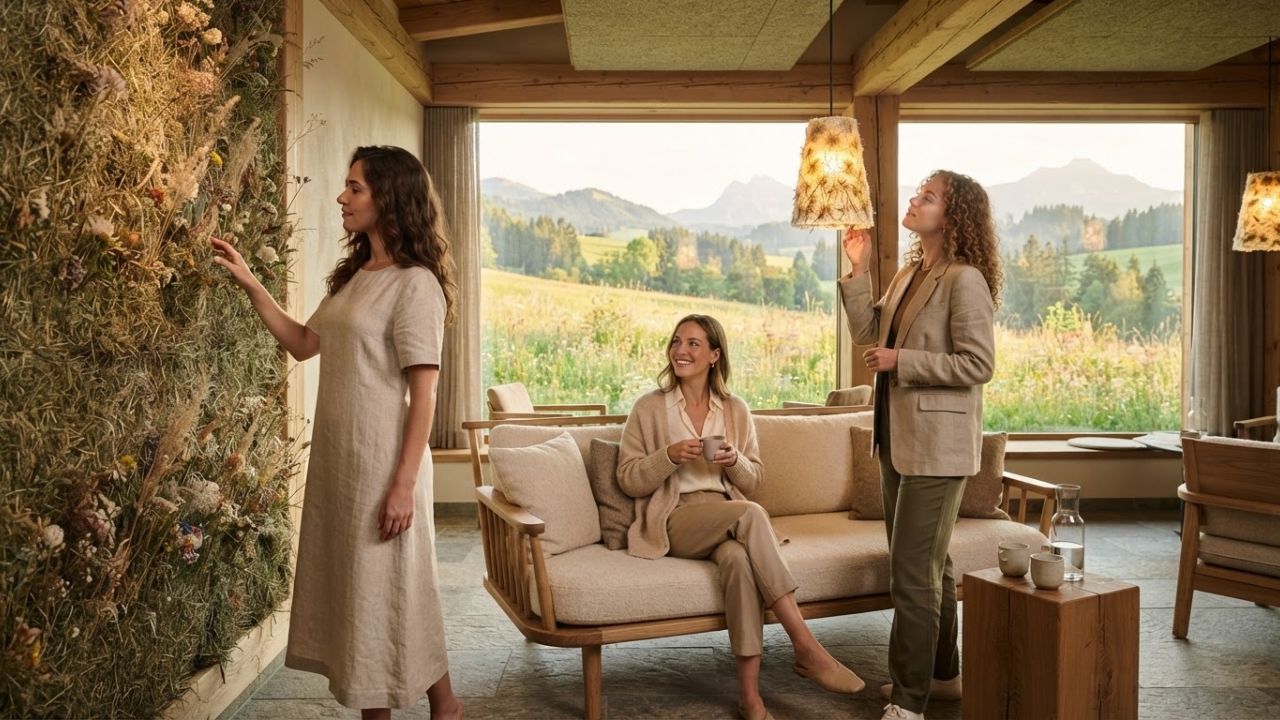
Image generated by AI
Eco-conscious hotels across Europe are adopting hay, meadow grass, and straw to replace energy-intensive synthetic building materials, driving a new wave of biobased circular hospitality. By using locally harvested agricultural resources, these premium properties reduce transport emissions while creating distinct sensory guest experiences.
The global hospitality sector is undergoing a shift in sustainable design, moving beyond basic waste reduction and energy efficiency toward regenerative, biobased construction. Across Europe, boutique hotels and luxury resorts are rediscovering traditional, renewable materials that reduce carbon footprint and connect guests directly with the surrounding natural environments. By integrating agricultural resources like hay, straw, and meadow grass into their architecture and interiors, these properties are demonstrating that luxury and environmental responsibility can grow together.
For the traveler, this biobased trend transforms sustainability from a checklist of certificates into a sensory experience. Guests can see, touch, and smell the regional flora incorporated into their rooms, creating a distinct sense of place that standard industrial luxury cannot replicate.
The Local Trend Revealed
European hotels are integrating local agricultural resources into their structural, decorative, and wellness systems. Unlike carbon-heavy synthetic materials, hay captures carbon dioxide during its growth and is completely biodegradable. Once its service life ends, it can be composted or processed into renewable energy, supporting circular hospitality principles. The movement is particularly strong in the Netherlands, where the Netherlands Enterprise Agency (RVO) is actively promoting biobased construction materials.
Several notable properties are leading this trend:
- Green Spa Resort Stanglwirt (Wilder Kaiser, Austria): The resort welcomes guests with artwork created from pressed Alpine hay harvested directly from its own meadows. This localized sourcing eliminates transport emissions and strengthens the property's connection to its agricultural heritage.
- Paradiso Pure.Living Vegan Hotel (Seiser Alm, Italy): The hotel utilizes breathable natural insulation materials behind lime plaster walls to regulate indoor temperature and humidity. Selected room doors are finished with Alpine meadow hay, releasing subtle floral scents when opened. The spa features a hay sauna that releases natural herbal essential oils.
- SCHWARZWALD PANORAMA (Black Forest, Germany): In its Circular Living rooms, the hotel uses hangers manufactured from 30% local meadow grass combined with recycled plastic. Meadow grass is also utilized in lampshades, and the hotel collaborates with manufacturers on material take-back programs.
- Hotel Klosterbräu (Seefeld, Tyrol, Austria): Nature Rooms feature handcrafted lamps made from dried grasses and wildflowers, producing a warm, naturally filtered light.
- Hotel Luise (Erlangen, Germany): The Circular Hotel Rooms® utilize straw ceilings, developed according to cradle-to-cradle design principles to ensure complete recyclability.
- Ebner 1822 (South Tyrol, Italy): Holiday homes utilize traditional hand-built combinations of straw, clay, and wood to create healthy indoor environments.
- APIPURA hotel rinner & Hotel Weihrerhof (South Tyrol, Italy): Local carpenters incorporate hay directly into furniture frames, and preserved hay is displayed behind glass panels inside guest spaces to create durable architectural features without chemical preservatives.
Cultural & Environmental Value (Information Gain & Experience)
For the visitor, the real impact is the preservation of traditional craftsmanship and local agricultural economies. Sourcing hay and meadow grass directly from regional farmers keeps tourism revenue within the local community. By supporting carpenters, artists, and farmers, these hotels help sustain rural livelihoods and maintain cultural traditions.
From an environmental perspective, utilizing hay and straw contributes to building biology—the study of the holistic relationship between humans and their living environment. These biobased materials regulate indoor humidity, absorb sound, and provide natural insulation, creating a healthier indoor climate without relying on mechanical air systems. This passive regulation reduces energy use, aligning with the standards of the German Sustainable Building Council (DGNB) and the Austrian Ecolabel.
Visitor Insider Tips
To help you plan a sustainable stay at these European eco-hotels, follow these practical tips:
- Best Booking Windows: Plan your visit during the spring shoulder season (late March to May) or autumn (September to November). Room rates at these premium properties are often lower, trails are quiet, and the fragrance of freshly harvested autumn hay is at its peak.
- Sauna and Spa Etiquette: When using hay saunas (such as those at Paradiso Pure.Living), follow the "Quiet Zone" rules. The dry heat releases essential oils, and maintaining a quiet environment allows all guests to experience the aromatherapy.
- Local Culinary Specialties to Try:
- Heublütentee (Hay Flower Tea): Try this local herbal tea infusion made from dried Alpine flowers and grasses, served with regional honey.
- Bergkäse (Alpine Mountain Cheese): Sample traditional cheeses produced by local dairies using milk from grass-fed cows.
- Spelt Bread: Enjoy traditional wood-fired sourdough breads baked using ancient grain varieties.
- Under-the-Radar Spots:
- Explore the quiet forest paths around Erlangen near Hotel Luise, which connect to historic farming villages.
- Walk the historic meadows of the Seiser Alm in the early morning to see how local farmers harvest the grasses used in the nearby hotels.
- Allergy Information: The dried hay and grass used in these hotels are heated and encased (or pressed) during manufacturing. This process eliminates loose pollen, making these rooms safe for travelers with seasonal allergies. However, if you have severe grass sensitivities, consult the hotel prior to booking.
Tourism Outlook
The growing integration of hay, meadow grass, and straw in European hospitality marks the transition toward regenerative urban and rural tourism. As travelers increasingly prioritize environmental responsibility, properties that offer tangible, circular design solutions will continue to lead the luxury hospitality market.
Over the coming years, scaling local supply chains, certifying biobased materials, and training local craftsmen will remain essential. By showing that agricultural resources can be transformed into high-end architecture and wellness spaces, these pioneering hotels demonstrate that the future of sustainable travel lies in working in harmony with the local environment.
Internal Connection
Disclaimer
This article is for informational and educational purposes only. It does not constitute legal, financial, or professional advice. While we strive to provide accurate and up-to-date information, travel policies, regulations, and conditions change rapidly. Always verify information with official sources before making travel decisions. Nomad Lawyer makes no representations about the accuracy, reliability, completeness, or suitability of the information provided. Readers should consult qualified professionals for advice specific to their circumstances. The views expressed in this article are those of the author and do not necessarily reflect the views of Nomad Lawyer.
Kunal K Choudhary
Co-Founder & Contributor
A passionate traveller and tech enthusiast. Kunal contributes to the vision and growth of Nomad Lawyer, bringing fresh perspectives and driving the community forward.
Learn more about our team →