
Europe's Industrial Revival: How Germany and Neighbors Transform Abandoned Mines into Heritage Tourism
European nations are repurposing forgotten industrial tunnels and coal mines into high-value heritage tourism sites, blending urban archaeology with sustainable economic regeneration.

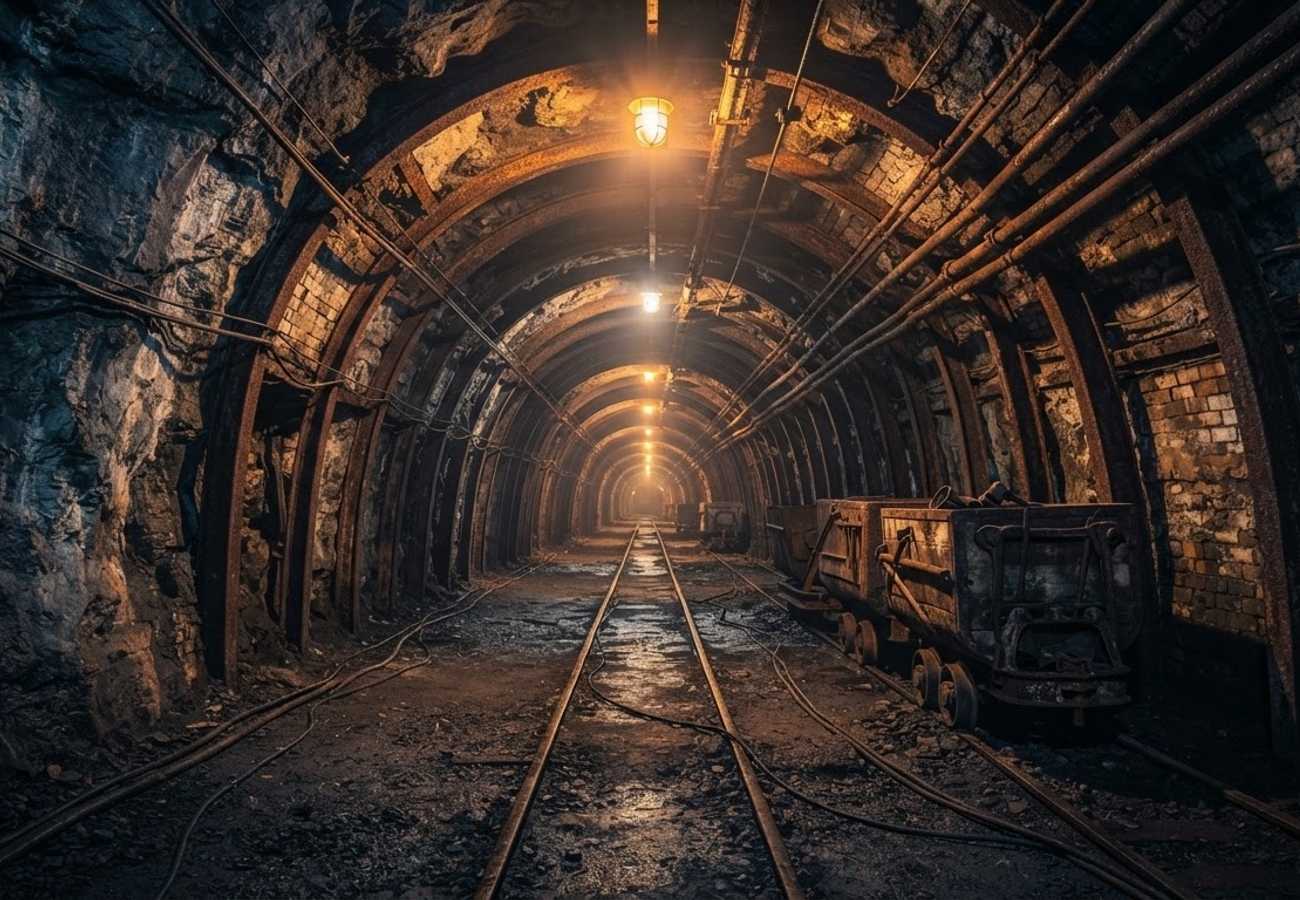
Image generated by AI
Europe is turning its industrial scars into cultural assets. From the Ruhr valley to the depths of Poland, abandoned mines and railway tunnels are being rebranded as sustainable heritage destinations.
The shift from heavy extraction to cultural preservation marks a significant pivot in European tourism. Germany is leading a continental trend where forgotten subterranean networks are no longer viewed as liabilities, but as powerful storytelling tools that illustrate the transition from industrial powerhouses to sustainable societies.
Germany's Blueprint for Industrial Regeneration
Germany has established one of the most successful models for industrial heritage transformation in the world. The Ruhr region, once the epicenter of global coal production, has pivoted from extraction to education.
By converting former industrial sites into museums and cultural hubs, the region allows visitors to examine the intersection of engineering and social history. These sites move beyond the mere display of machinery, focusing instead on how industrialization fundamentally restructured European cities and society.
Visitors to these German landmarks typically engage with:
- Advanced historic mining technology.
- Brutalist and functional industrial architecture.
- First-hand accounts of worker experiences.
- Narratives regarding regional economic transformation.
Subterranean Tourism Across Europe
While Germany provides the blueprint, other European nations are implementing similar strategies to revitalize their regional economies.
Spain's Mining Landscapes
In Huelva, the Riotinto mining region serves as a premier example of industrial repurposing. The historic railway system, originally built for mineral transport, now guides tourists through a landscape that reveals the deep connection between technological advancement and environmental change.
The United Kingdom's Hidden Networks
The UK continues to leverage its extensive railway and coal mining history. While many London Underground spaces remain restricted, the country utilizes controlled heritage programs and museums to preserve transport history. Preserved mining railways specifically highlight the historical link between mineral transport and the growth of local communities.
Poland and Belgium: Human-Centric Heritage
Poland has focused on the technical and educational aspects of underground mining, creating international attractions that balance safety with immersive exploration.
Conversely, Belgium has adopted a more emotional approach. Belgian subterranean sites emphasize the social history and the human toll of industrialization, using storytelling and remembrance to connect visitors with the challenges faced by mining communities.
Czechia's Urban Regeneration
In the Ostrava region, Czechia uses abandoned industrial zones to drive urban renewal. By hosting exhibitions and cultural events in former mining areas, the region ensures that industrial decline does not result in the loss of cultural identity.
Safety and Ethics in Underground Tourism for 2026
As subterranean tourism grows in popularity, the operational challenges of managing non-traditional spaces have become a priority. Because these tunnels and mines were designed for industrial labor rather than public crowds, strict risk management is mandatory.
Critical Safety Protocols
To ensure visitor safety in 2026, heritage operators are implementing the following:
- Rigorous structural integrity inspections.
- Specialized emergency evacuation systems.
- Constant air quality monitoring.
- Strict caps on visitor numbers.
- Mandatory professional tour guidance.
The Psychology of the Underground
Operators are also accounting for the sensory impact of underground travel. The combination of silence, darkness, and enclosed spaces creates a powerful emotional response that traditional museums cannot replicate. To mitigate claustrophobia and anxiety, sites are integrating improved lighting and clear communication strategies.
The Ethics of Urban Archaeology
The expansion of "hidden" tourism raises significant questions regarding the ethics of preservation. Increased foot traffic can jeopardize fragile historical environments, forcing heritage managers to make difficult decisions regarding restoration versus preservation.
The current goal is to balance accessibility with conservation, ensuring that the drive for "exciting" attractions does not destroy the very history being celebrated. Responsible tourism in this sector now requires a synergy between education, conservation, and visitor experience.
European Industrial Heritage Summary
| Country | Primary Focus | Key Example/Region | Tourism Goal |
|---|---|---|---|
| Germany | Cultural Landmarks | Ruhr Region | Societal Transformation |
| Spain | Industrial Landscapes | Riotinto (Huelva) | Tech & Landscape Link |
| UK | Railway History | London/Mining Routes | Transport Evolution |
| Poland | International Attractions | Historic Mines | Technical Education |
| Belgium | Social Memory | Former Mining Sites | Human Impact/Storytelling |
| Czechia | Urban Regeneration | Ostrava Region | Cultural Identity |
Key Takeaways
- Economic Pivot: Europe is converting defunct industrial infrastructure into sustainable revenue streams via heritage tourism.
- Diverse Approaches: While Germany and Poland focus on technology and architecture, Belgium emphasizes the social and emotional history of the worker.
- Safety First: 2026 standards require advanced air monitoring and structural checks to adapt industrial sites for public use.
- Sustainable Preservation: The trend reflects a broader European movement toward "urban archaeology" and responsible conservation.
FAQ
Is underground tourism safe for people with claustrophobia? Most modern heritage sites provide clear communication and improved lighting to help visitors. However, it is recommended to check specific site guidelines regarding confined spaces before visiting.
What makes industrial tourism different from traditional museum visits? Industrial tourism offers a multi-sensory experience—including the smell, sound, and physical atmosphere of the original site—which creates a more visceral connection to history.
How does this benefit local communities? By transforming abandoned sites into tourist attractions, regions that previously relied on mining can create new jobs in hospitality, guiding, and site management.
Turning the depths of the industrial past into the heights of cultural tourism.
Related Travel Guides
Disclaimer
This article is for informational and educational purposes only. It does not constitute legal, financial, or professional advice. While we strive to provide accurate and up-to-date information, travel policies, regulations, and conditions change rapidly. Always verify information with official sources before making travel decisions. Nomad Lawyer makes no representations about the accuracy, reliability, completeness, or suitability of the information provided. Readers should consult qualified professionals for advice specific to their circumstances. The views expressed in this article are those of the author and do not necessarily reflect the views of Nomad Lawyer.
Preeti Gunjan
Contributor & Community Manager
A passionate traveller and community builder. Preeti helps grow the Nomad Lawyer community, fostering engagement and bringing the reader experience to life.
Learn more about our team →