
Typhoon Bavi Disrupts Taiwan Rail Services and Aviation Networks with Emergency Transit Restrictions in July 2026
Typhoon Bavi triggered widespread transport disruptions across Taiwan, forcing modifications to high-speed rail schedules and the cancellation of hundreds of flights to ensure passenger safety.

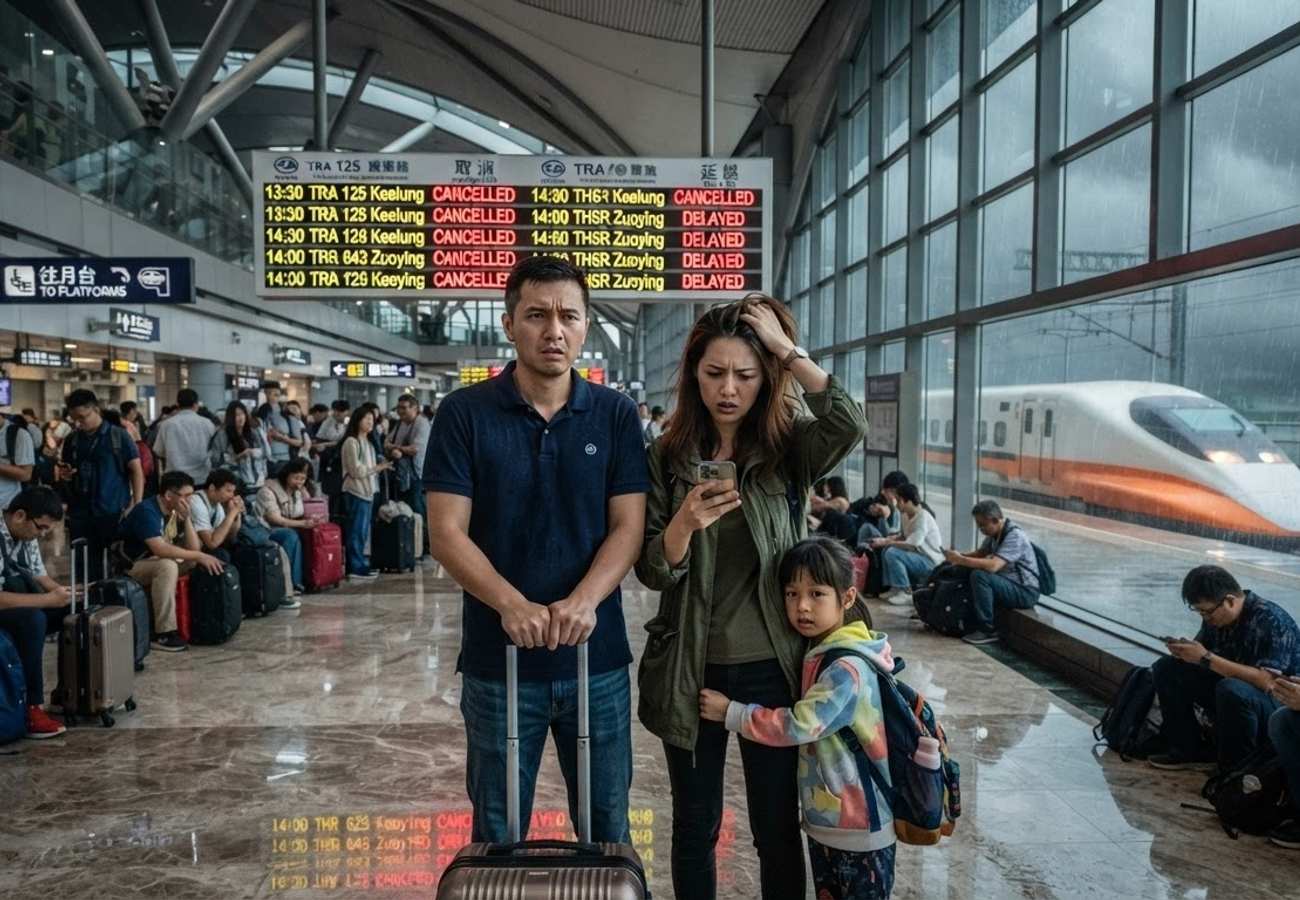
Image generated by AI
Typhoon Bavi has forced the implementation of emergency transport restrictions across Taiwan, resulting in modified railway schedules and the cancellation of hundreds of flights. While the storm did not make direct landfall, its scale necessitated precautionary measures to mitigate risks of landslides and flooding.
The Taiwan transport network, known for its efficiency, faced significant operational pressure as the storm impacted northern and eastern regions. National authorities prioritized passenger safety, introducing a tiered system of service reductions to prevent accidents in areas vulnerable to slope instability and extreme wind gusts.
Operational Impact on Transit Networks
The disruption was most acute within the rail and aviation sectors. While the Taiwan High Speed Rail (HSR) maintained operations, it did so under reduced service levels. The decision to modify schedules rather than suspend services entirely allowed for the continued movement of essential personnel while reducing the volume of passengers in high-risk transit corridors.
Aviation was more severely impacted, with reports indicating that hundreds of international and domestic flights were cancelled. Maritime services, including ferry operations in affected coastal areas, were suspended entirely. These measures were accompanied by the closure of various tourist attractions and public facilities, as well as targeted evacuations in high-risk mountainous and coastal zones.
Transit Service Status and Adjustments
The following table outlines the operational status of major transit modes during the peak of the Typhoon Bavi weather event:
| Transit Mode | Operational Status | Impact Level | Primary Reason for Change |
|---|---|---|---|
| High-Speed Rail (HSR) | Modified | Moderate | Reduced service levels for safety |
| Conventional Rail | Adjusted | High | Risk of landslides and flooding |
| Aviation (Intl/Dom) | Partial Suspension | Severe | Hundreds of flights cancelled |
| Ferry Services | Suspended | Critical | Severe maritime weather conditions |
| Public Facilities | Closed | High | Precautionary emergency measures |
Traveler Logistics Guide: Navigating Taiwan During Typhoon Season
For travelers operating within Taiwan during the summer typhoon window, flexibility is the most critical component of itinerary planning. The mountainous terrain of the island makes rail lines particularly susceptible to debris and flooding.
Booking and Connection Strategies
- Layover Buffers: When connecting from the High-Speed Rail to Taoyuan International Airport, increase layover windows to a minimum of 5–6 hours during weather warnings to account for modified rail frequencies.
- Ticketing Flexibility: Utilize flexible fare options for domestic rail travel. In the event of a "Service Adjusted" status, tickets are typically valid for rescheduling or eligible for refunds through official rail portals.
- Digital Monitoring: Rely exclusively on official announcements from the Taiwan Ministry of Transportation and Communications (MOTC) and the Taiwan Railways Administration. Avoid third-party aggregators which may lag in reporting real-time cancellations.
Navigating Customs and Transit
- Airport Transfers: If flights are cancelled, verify if your airline provides vouchers for hotel stays or airport lounge access, as terminal congestion increases rapidly during mass cancellations.
- Safety Zones: Avoid all travel to the eastern coast and central mountain ranges during "Red" or "Orange" weather alerts, as these areas are the first to experience total transit shutdowns.
Infrastructure Impact Assessment
The response to Typhoon Bavi underscores the resilience of Taiwan's integrated transport infrastructure. The ability to pivot from full service to "modified" levels without a total system collapse demonstrates the effectiveness of the island's emergency response systems.
However, the event highlights a recurring vulnerability: the dependency of the tourism sector on a few primary transit arteries. When the rail link between Taipei, Taichung, and Kaohsiung is throttled, the ripple effect is felt immediately in hotel occupancy and local commerce. The rapid restoration of services following safety inspections—a hallmark of Taiwan's transit authority—remains the primary mechanism for minimizing economic loss during the summer storm season.
Travelers are advised to maintain comprehensive travel insurance that specifically covers weather-related transit disruptions when visiting during the summer months.
Related Travel Guides
Disclaimer
This article is for informational and educational purposes only. It does not constitute legal, financial, or professional advice. While we strive to provide accurate and up-to-date information, travel policies, regulations, and conditions change rapidly. Always verify information with official sources before making travel decisions. Nomad Lawyer makes no representations about the accuracy, reliability, completeness, or suitability of the information provided. Readers should consult qualified professionals for advice specific to their circumstances. The views expressed in this article are those of the author and do not necessarily reflect the views of Nomad Lawyer.
Preeti Gunjan
Contributor & Community Manager
A passionate traveller and community builder. Preeti helps grow the Nomad Lawyer community, fostering engagement and bringing the reader experience to life.
Learn more about our team →