
Europe Heat Extremes 2026: Nine Nations Record Dangerous Temperatures Impacting Tourist Safety
Nine European nations have recorded astonishing temperature extremes, with peaks reaching 48.8°C, triggering urgent warnings for summer travelers regarding heat stress, wildfires, and transport disruptions.

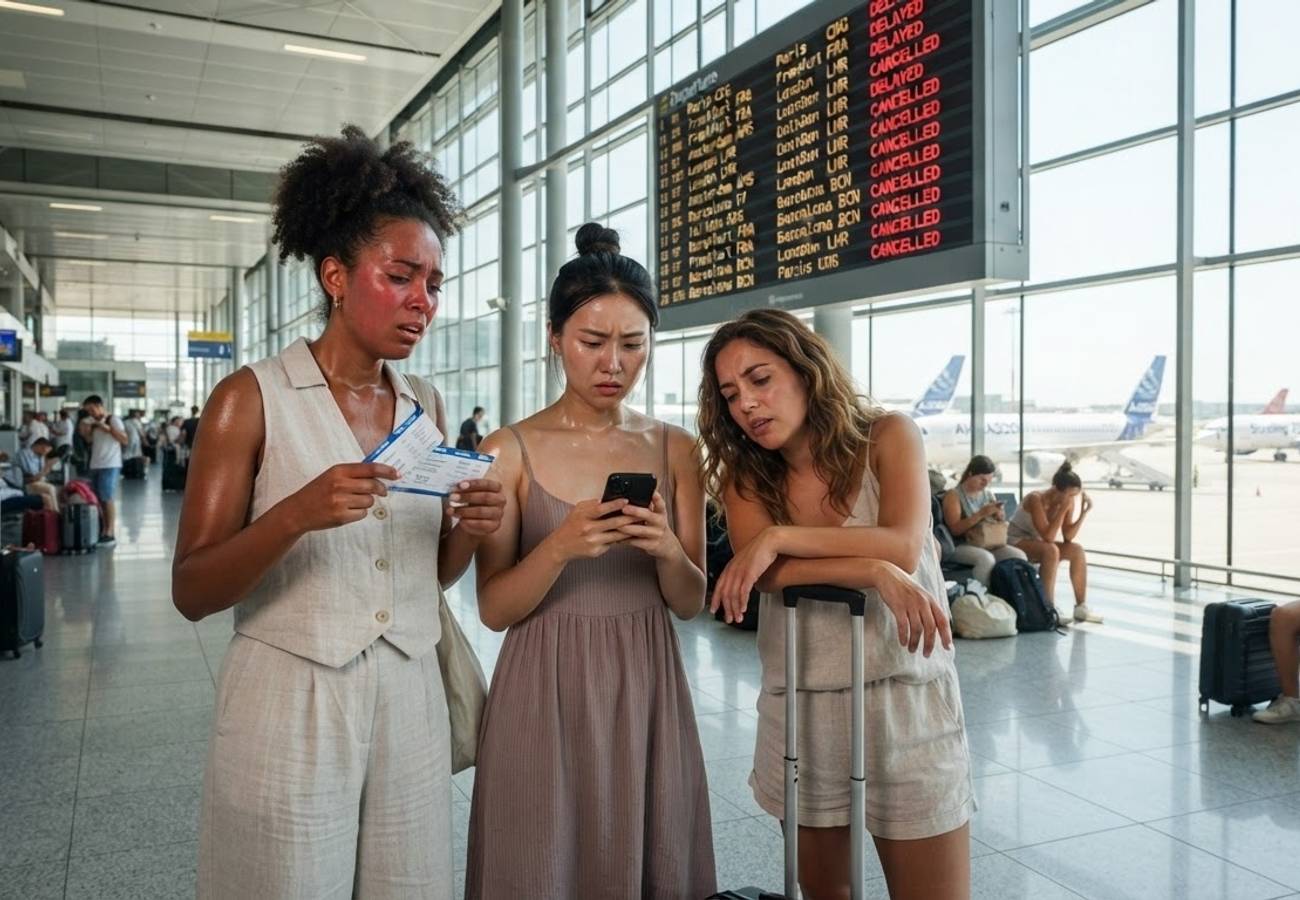
Image generated by AI
Europe's reputation for sunny beaches and historic open-air exploration is facing a stark reality as extreme thermal events reshape the region's travel landscape. Recent data reveals that nine European nations have documented astonishing temperature extremes, with some peaks exceeding 46°C. These figures are no longer viewed as statistical anomalies but as critical warnings for international visitors prone to heat stress and infrastructure failure.
The continental record now stands at 48.8°C, a figure officially verified by the World Meteorological Organization (WMO) following an observation on 11 August 2021. While these records occurred across different years and events, they signal a systemic shift: severe heat is no longer confined to Southern Europe but is expanding across the continent.
Accelerating Warming Trends in the European Region
The World Health Organization (WHO) has identified Europe as the fastest-warming of its six global regions, heating up at approximately twice the global average rate. This rapid escalation is evidenced by the fact that the ten warmest years on record for the region have all occurred since 2007.
The impact of this warming is not limited to peak daytime temperatures. The European State of the Climate report, produced by Copernicus and the WMO, highlights a dangerous increase in "tropical nights" and heat-stress days. In 2024, Europe recorded its warmest year on record, leading to a decline in sleep quality and recovery for tourists staying in non-climate-controlled accommodations.
Public Health Risks and Tourist Vulnerability
Heat stress has emerged as the primary cause of climate-related deaths in Europe. According to a June 2026 WHO statement, heat-related mortality has surged by roughly 30% over the last two decades, with more than 200,000 deaths recorded across the European Union and associated countries over a four-year period.
Tourists are uniquely vulnerable to these conditions due to several factors:
- Increased Physical Exertion: Extensive walking tours and sightseeing in unfamiliar cities.
- Dehydration: Higher alcohol consumption and delayed meal times.
- Misdiagnosis: Early signs of heat exhaustion are often mistaken for general travel fatigue.
- Medical Complications: Chronic conditions and specific medications can exacerbate the body's reaction to extreme heat.
Infrastructure Disruptions and Wildfire Threats
Extreme heat frequently triggers secondary crises, most notably wildfires. For travelers in rural areas, coastal resorts, or mountain communities, a single fire can sever primary transport arteries, leading to sudden evacuations and overcrowded ferry terminals or airports.
Beyond fires, the transport network itself struggles under thermal pressure:
- Railways: Speed restrictions are often imposed to prevent track buckling.
- Roads: High temperatures can cause surface damage and increase vehicle breakdowns.
- Aviation: Airport ground operations may slow down to protect outdoor personnel from heatstroke.
Strategic Adjustments for the Modern Traveler
The traditional July and August peak is being reconsidered. Many travelers are shifting their itineraries to spring and autumn to ensure more comfortable sightseeing and avoid the heaviest crowds. However, because heatwaves are appearing earlier and lasting longer, flexible planning remains essential.
Accommodation and Booking Precautions: Air conditioning is not universal in European heritage properties or apartments. Travelers are advised to verify cooling facilities directly with providers. West-facing rooms and upper floors typically retain more heat, making them less desirable during a heatwave.
Daily Itinerary Management: To mitigate risk, visitors are encouraged to prioritize outdoor activities during the early morning and late evening. Mid-day hours should be reserved for museums, galleries, and other shaded indoor attractions.
European Tourism Adaptation
The industry is currently pivoting to maintain traveler confidence. Key adaptations being implemented by forward-thinking destinations include:
- Installation of free public drinking-water stations.
- Creation of shaded waiting areas at transit hubs.
- Implementation of flexible excursion timing.
- Enhanced staff training for heat-emergency response.
Travelers are urged to enable official emergency alerts on mobile devices and maintain flexible booking terms to protect against weather-driven cancellations.
Regional Temperature Data Summary
| Metric | Detail/Value |
|---|---|
| Highest Verified Continental Record | 48.8°C (Observed 11 August 2021) |
| Critical Temperature Thresholds | 46°C and above (Recorded in 9 nations) |
| Warming Rate | ~2x the global average |
| EU Heat-Related Deaths | 200,000+ (Over 4-year period per June 2026 WHO report) |
| Mortality Increase | ~30% increase over two decades |
| Warmest Year on Record | 2024 |
Key Takeaways
- Widespread Risk: Extreme heat is no longer limited to the Mediterranean; nine nations have hit record extremes.
- Health Alert: Heat stress is the leading climate-related killer in Europe, with mortality rising by 30%.
- Logistical Impact: High temperatures cause rail speed restrictions, road damage, and potential wildfire-driven evacuations.
- Planning Shift: Travelers are increasingly moving visits to shoulder seasons (spring/autumn) and prioritizing AC-verified lodging.
FAQ
Which European countries are most affected by heat extremes? While nine nations have recorded astonishing extremes, the impact is widespread across the continent, with the fastest warming occurring across the entire European region compared to global averages.
How can I tell if my hotel has adequate cooling? Do not assume AC is available in "heritage" or older European buildings. Contact the property directly to ask about air conditioning versus fans or natural ventilation.
What should I do if a wildfire disrupts my travel route? Enable official government emergency alerts on your smartphone, follow hotel evacuation instructions immediately, and avoid entering restricted zones for photography.
Related Travel Guides
Disclaimer
This article is for informational and educational purposes only. It does not constitute legal, financial, or professional advice. While we strive to provide accurate and up-to-date information, travel policies, regulations, and conditions change rapidly. Always verify information with official sources before making travel decisions. Nomad Lawyer makes no representations about the accuracy, reliability, completeness, or suitability of the information provided. Readers should consult qualified professionals for advice specific to their circumstances. The views expressed in this article are those of the author and do not necessarily reflect the views of Nomad Lawyer.
Preeti Gunjan
Contributor & Community Manager
A passionate traveller and community builder. Preeti helps grow the Nomad Lawyer community, fostering engagement and bringing the reader experience to life.
Learn more about our team →