
Spain's Red Alert Heatwave Crisis Cancels San Juan Festivals, Triggers Wildfires, Threatens Summer Tourism 2026
Spain faces unprecedented red-level heat alerts across Madrid and Basque Country as temperatures exceed 40°C, forcing cancellation of San Juan bonfires and wildfire emergency measures that threaten summer tourism operations nationwide.

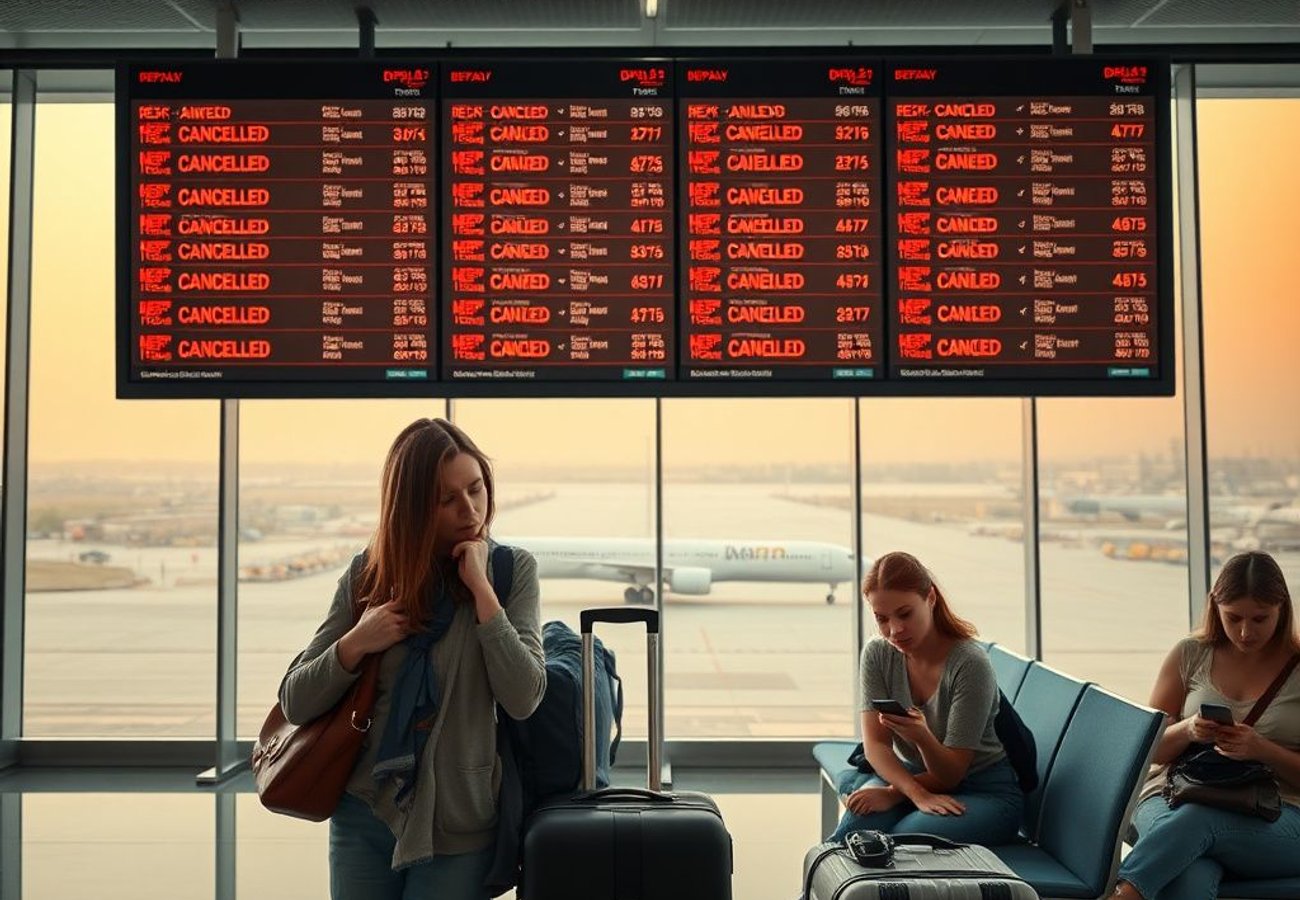
Image generated by AI
Spain's Summer Tourism Faces Complete Meltdown as Red Alert Heatwave Sweeps Nation
Spain is gripped by an unprecedented climate emergency. The State Meteorological Agency (AEMET) has issued red-level alerts—the highest warning category—across the Basque Country and elevated heat warnings spanning Madrid, inland provinces, and critical tourist corridors. Temperatures have surged past 40°C in multiple regions, creating a perfect storm of cultural disruption, wildfire danger, and public health threats that's reshaping Spain's entire summer tourism calendar.
What we're witnessing isn't just another hot summer. This is a structural crisis that's forcing authorities to cancel one of Spain's most cherished traditions and implement emergency measures usually reserved for existential threats.
The Red Alert That Changed Everything
On June 23, 2026, AEMET activated its highest alert status in parts of the Basque Country—a designation reserved for extreme danger to life and critical infrastructure. Red alerts don't happen casually. They signal conditions where even healthy individuals face serious health risks within hours of outdoor exposure.
The meteorological trigger: a persistent high-pressure system has anchored itself over southern Europe, trapping a dome of scorching air across the Iberian Peninsula. Inland regions around Madrid are experiencing the most severe conditions, with temperatures holding steady above 40°C. Orange and yellow warnings blanket wider zones, indicating widespread heat stress affecting both urban centers and rural tourism hotspots.
Reddit: "Just cancelled my Spain trip after seeing the red alerts. Not risking heatstroke on vacation." — r/travel
This isn't fear-mongering. Heat exposure at these levels genuinely threatens tourists unfamiliar with extreme conditions—especially those planning outdoor sightseeing during peak midday hours.
San Juan Festival: Spain's Summer Icon Goes Dark
Here's where the crisis becomes emotionally tangible. San Juan, celebrated annually on June 23–24, is Spain's defining summer festival. Coastal bonfires, fireworks, public gatherings, and centuries of cultural tradition converge in a single, fire-lit night.
Except not this year.
Multiple regional and municipal authorities have cancelled or severely restricted San Juan celebrations across northern Spain and Mediterranean coastal destinations. The reason is grimly straightforward: open flames in current conditions mean wildfire catastrophe. Dry vegetation, soaring temperatures, and unstable atmospheric dynamics have transformed festival zones into tinderboxes.
Specific restrictions in place:
- Complete bans on open bonfires in high-risk coastal and forested areas
- Fireworks prohibitions across vulnerable zones
- Public gathering limitations to prevent crowd-related heat emergencies
- Strict fire prevention controls throughout celebration corridors
The cancellations hit domestic and international visitor flows hard. San Juan typically drives substantial summer tourism revenue for northern Spanish destinations. Hotels, restaurants, and tourism operators now face revenue vaporization with minimal recovery time before the season's peak.
Tourism Infrastructure Buckles Under Heat Strain
Spain's €57 billion annual tourism economy is experiencing real-time operational collapse. Major cities including Madrid, Bilbao, and heritage destinations across central Spain report dramatically reduced daytime tourist activity. Walking the streets at midday isn't tourist choice anymore—it's a health gamble.
Tour operators have pivoted to defensive scheduling: sightseeing tours now cluster at dawn (6–8 AM) and evening hours (7–10 PM), abandoning the traditional midday tourist experience entirely. Popular open-air historical sites—think Spanish castle ruins, Roman amphitheaters, medieval town squares—show ghost-town visitor density during peak hours.
Hospitality providers are implementing emergency protocols:
- Expanded cooling systems running at maximum capacity
- Mandatory guest hydration stations throughout properties
- Enhanced heat-illness safety briefings for arrivals
- Adjusted check-in procedures to minimize outdoor lobby exposure
Rail networks are straining. Air conditioning load is crushing electrical demand. Transport operators face heat-related mechanical failures on top of normal operational challenges. The tourism supply chain isn't broken, but it's visibly stressed.
The Wildfire Emergency That Shut Down Recreation
Spain's emergency services elevated alert levels across rural and forested regions after AEMET issued severe wildfire risk warnings. Northern and inland zones face maximum vulnerability due to vegetation density. Agricultural burning bans, open-air cooking prohibitions, and fireworks restrictions now blanket high-risk areas.
Emergency response units stand on rapid-deployment status. Wildfire response helicopters are pre-positioned. Ground crews await any ignition event with near-military coordination.
The casualty? Nature-based tourism infrastructure. Hiking routes through forested regions face temporary closures. Coastal trail access is restricted. Rural parks implement visitor caps or complete shutdowns. For adventure travelers and outdoor-focused itineraries, Spain's wildlands—usually prime summer attractions—have become essentially off-limits.
This is particularly damaging because outdoor tourism represents a critical revenue stream for rural Spanish communities that depend on summer hiking, nature photography, and wilderness experiences to fund annual economies.
Public Health Crisis: The Silent Emergency
Spain's health authorities are issuing direct warnings about heat-related illness cascades. Heat exhaustion, dehydration, and heatstroke aren't theoretical risks—they're immediate threats requiring emergency medical intervention.
The compounding factor: night-time temperatures remain abnormally high across multiple regions. In normal summers, cooling nights allow human bodies to recover from daytime heat exposure. This year? Temperatures drop minimally, trapping cumulative heat stress in your system night after night.
Elderly individuals and those with cardiovascular conditions face disproportionate risk. Tourists on medication or with pre-existing health conditions are particularly vulnerable. Public health guidance is unambiguous: limit outdoor activity during peak heat hours (11 AM–6 PM), maintain aggressive hydration, stay in shaded or air-conditioned environments during peak exposure windows.
This isn't casual advice—it's survival guidance for a hostile environment.
Climate Change Is Reshaping Spain's Tourism Reality
Meteorological analysis confirms what scientists have been warning: Spain is experiencing an acceleration in extreme heat event frequency and intensity. The high-pressure systems creating heat domes are becoming more common, more persistent, and more extreme. This current event fits a larger pattern of climate destabilization across southern Europe.
According to research from the European Environment Agency, Mediterranean regions face approximately three times the global average warming rate. Heat-related disruptions that were once exceptional—like the 2003 European heat wave—are becoming normalized into seasonal tourism planning.
Spain's tourism authorities are quietly integrating climate adaptation strategies:
- Expanded shaded infrastructure in public spaces
- Designated cooling zones throughout tourist districts
- Real-time heat alert systems for visitor notifications
- Revised seasonal tourism marketing emphasizing autumn and spring travel
The structural challenge is unavoidable: peak summer tourism season now coincides with maximum climate risk.
The Forced Reckoning for Spain's Summer Tourism Economy
This crisis crystallizes a hard truth: Mediterranean tourism can't operate under 1960s climate assumptions anymore. Spain remains Europe's second-most visited destination (after France) with over 85 million annual visitors. But extreme heat is reshaping visitor behavior in real time.
Daytime outdoor activity is collapsing. Indoor, climate-controlled experiences (museums, shopping centers, entertainment venues) are absorbing displaced tourist flows. Visitor satisfaction metrics are likely dropping as the "authentic Spanish summer experience" transforms into "how do I avoid heatstroke?"
The cancellation of San Juan is symbolically devastating. This festival represents cultural authenticity and tradition—the intangible draw that differentiates Spain from climate-controlled resort destinations. When extreme heat cancels cultural experiences, it fundamentally damages destination appeal.
For tourism planners, this moment is a wake-up call. Climate adaptation isn't future strategy anymore—it's immediate operational necessity. Destinations that build heat resilience fastest (expanded indoor attractions, shifted seasonal marketing, enhanced emergency protocols) will capture market share from those that don't.
Spain's red alert heatwave exposes tourism's uncomfortable climate truth: summers are becoming too hot, and destinations must adapt or decline.
Related Travel Guides
Disclaimer
This article is for informational and educational purposes only. It does not constitute legal, financial, or professional advice. While we strive to provide accurate and up-to-date information, travel policies, regulations, and conditions change rapidly. Always verify information with official sources before making travel decisions. Nomad Lawyer makes no representations about the accuracy, reliability, completeness, or suitability of the information provided. Readers should consult qualified professionals for advice specific to their circumstances. The views expressed in this article are those of the author and do not necessarily reflect the views of Nomad Lawyer.
Raushan Kumar
Founder & Lead Developer
Full-stack developer with 11+ years of experience and a passionate traveller. Raushan built Nomad Lawyer from the ground up with a vision to create the best travel and law experience on the web.
Learn more about our team →