
Seven Affordable European Small Towns for Autumn 2026: Veliko Tarnovo, Berat, Mostar, and Budget-Friendly Historic Escapes
Explore seven budget-friendly European small towns for autumn 2026—Veliko Tarnovo, Berat, Gjirokastër, Mostar, Sibiu, Piran, and Sighișoara—with verified accommodation statistics, daily spending bands, and regional transit logistics.

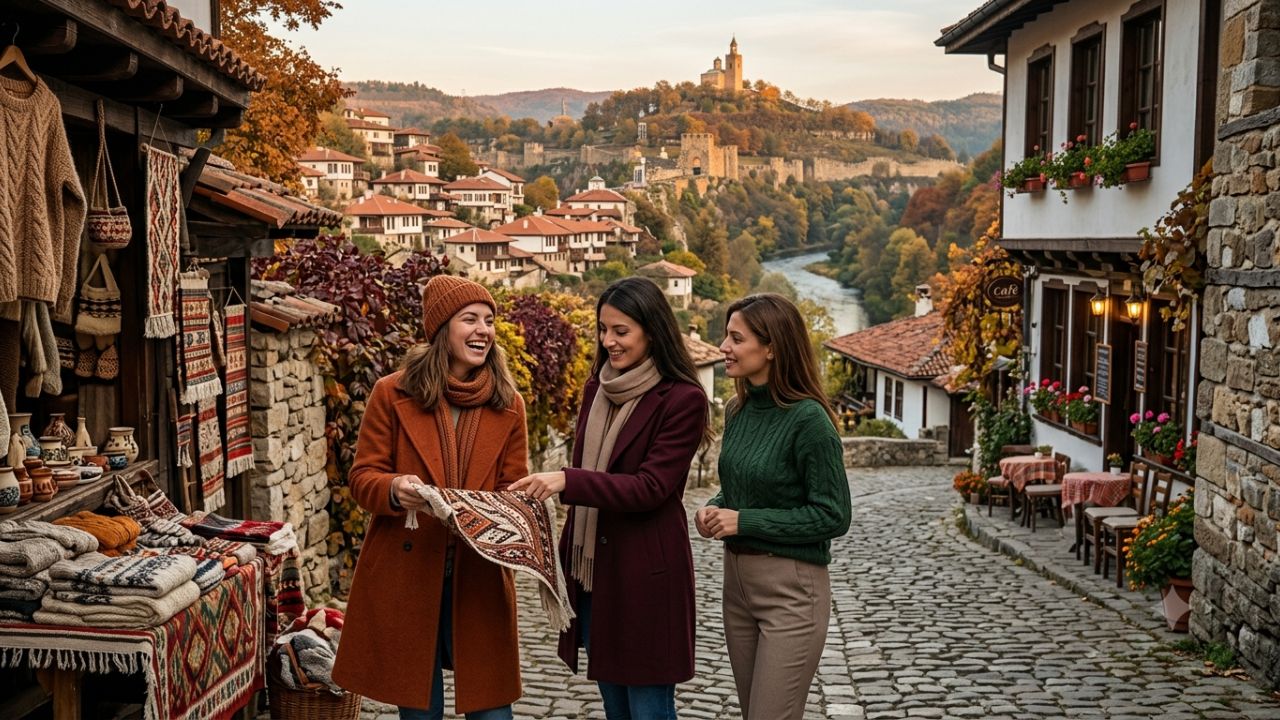
Rising accommodation tariffs and peak-season congestion across Western Europe's capital cities have accelerated budget traveler migration toward secondary regional towns, where destinations such as Veliko Tarnovo, Berat, and Mostar provide rich architectural heritage at daily expenditures between €30 and €75. With official Eurostat reporting recording more than 3 billion nights spent in European Union tourist accommodation establishments in 2024—a 2.2 percent expansion compared to 2023—independent voyagers are increasingly planning autumn getaways through the Balkans, Central Europe, and the Baltic perimeter to secure lower lodging rates, authentic culinary traditions, and pedestrian-friendly historic centers.
While major metropolises like Paris, Amsterdam, and Rome grapple with short-term rental limits and escalating tourism taxes, smaller regional centers offer well-preserved medieval citadels, Ottoman-era stone quarters, and scenic river valleys without the financial strain of tier-one gateways. By examining official municipal lodging data, realistic daily budgeting parameters, and inter-city bus and rail connections across Bulgaria, Albania, Bosnia and Herzegovina, Romania, and Slovenia, travelers can craft affordable autumn itineraries that maximize value and cultural immersion.
Macro European Accommodation Trends: Shifting Toward Regional Value
The broader European tourism economy continues to operate at historic volume levels. Data from Eurostat demonstrates that international traveler nights accounted for the primary growth engine behind the 3 billion EU accommodation nights registered in 2024. However, headline national figures mask significant geographic divergence: travelers facing inflated flight and hotel costs in Western Europe can find substantial savings by redirecting their autumn travels to Southeastern and Central European municipalities.
To evaluate regional pricing dynamics objectively, travelers should analyze verified accommodation metrics from national statistical institutes. The Baltic states and Eastern Europe provide valuable comparative benchmarks for affordable travel performance:
| Geographic Jurisdiction | Baseline Statistical Metric | Performance Period & Reported Result | Annual Percentage Change | Analytical Market Context |
|---|---|---|---|---|
| European Union (Total) | Total Tourist Accommodation Nights | 2024: Over 3.0 Billion Nights | +2.2% vs 2023 | Record continental volume led by international arrivals |
| Estonia (National) | Accommodated Tourist Volume | 2021: 2.1M | 2022: 3.3M | 2023: 3.4M | 2024: 3.6M | 2025: 3.7M | +5% in 2024; +2% in 2025 | 1.95M foreign tourists, 1.74M domestic, 6.7M total nights in 2025 |
| Latvia (National) | Accommodation Arrivals & Nights | 2024: 2.7M Arrivals | 4.7M Nights | Arrivals: +10.9% | Nights: +7.4% | Non-resident arrivals reached 1.6M (+14.3% year-on-year) |
| Bulgaria (National) | Enterprise Capacity & Guest Volume | 2025: 4,102 Establishments | 374,665 Beds | 16.08M Arrivals | 28.81M Overnight Stays | Annual lodging revenue reached approximately €1.43 Billion |
| Slovenia (National) | Tourist Arrivals & Overnight Stays | 2024: 6,583,274 Arrivals | 16,853,075 Nights | Foreign: 5.05M Arrivals | 12.35M Nights | High coastal summer demand transitioning to regional autumn trips |
| Albania (National) | International Border Entrances | 2024: 11.7 Million Foreign Visitors | +15.2% vs 2023 | Rapid expansion in Mediterranean budget leisure arrivals |
These macro indicators establish that regional travel activity is growing across emerging European corridors. For budget-conscious travelers, the primary advantage of secondary towns lies in lower baseline expenses for lodging, local dining, and attraction entries.
Seven Affordable European Small Towns: Planning Profiles and Budget Bands
The seven selected destinations combine UNESCO-inscribed medieval architecture, walkable street plans, and affordable living costs. Indicative daily budgets reflect practical planning estimates for independent travelers covering budget guesthouses, local restaurant meals, public transport, and monument admissions.
| Destination & Country | Historical Character & Setting | Recommended Stay | Indicative Daily Budget | Core Sightseeing Highlight |
|---|---|---|---|---|
| Veliko Tarnovo (Bulgaria) | Medieval Capital on Yantra River | 2 Nights | €35–€70 | Tsarevets Fortress & Samovodska Charshia |
| Berat (Albania) | UNESCO Ottoman Hillside Architecture | 2 Nights | €30–€65 | Mangalem Quarter & Berat Castle Citadel |
| Gjirokastër (Albania) | UNESCO Ottoman Stone Fortress City | 2 Nights | €35–€70 | Gjirokastër Castle & Old Bazaar Quarter |
| Mostar (Bosnia & Herzegovina) | Ottoman-Balkan Riverside Enclave | 2 Nights | €35–€75 | Stari Most Bridge & Neretva River Quays |
| Sibiu (Romania) | Transylvanian Saxon Citadel | 2–3 Nights | €40–€80 | Grand Square, Small Square & Bridge of Lies |
| Piran (Slovenia) | Venetian Gothic Adriatic Peninsula | 2 Nights | €55–€110 | Tartini Square & Medieval Defensive Walls |
| Sighișoara (Romania) | UNESCO Inhabited Medieval Citadel | 1–2 Nights | €35–€75 | 14th-Century Clock Tower & Scholars' Stairway |
1. Veliko Tarnovo, Bulgaria: Medieval Tsars and River Bluffs
Dramatically terraced above the winding loops of the Yantra River, Veliko Tarnovo served as the historical capital of the Second Bulgarian Empire between the 12th and 14th centuries. The town's vertical street plan provides panoramic vistas where traditional 19th-century Bulgarian National Revival houses cling to limestone cliffs.
Cultural Attractions and Itinerary Flow
A two-day visit provides a comprehensive introduction to medieval Bulgarian history:
- Tsarevets Fortress Complex: Dominating the skyline on a rocky promontory, Tsarevets preserves extensive defensive walls, the Patriarchal Cathedral of the Holy Ascension of God, and Baldwin’s Tower, where Latin Emperor Baldwin I was imprisoned.
- Samovodska Charshia Crafts Street: This restored 19th-century marketplace features working artisan workshops specializing in copper repoussé, woodcarving, ceramics, and traditional Turkish delight (lokum).
- Asen Dynasty Monument: Located on a river promontory accessed via Stambolov Bridge, this imposing modernist sculpture commemorates the four Bulgarian tsars who established Tarnovo as an imperial seat.
Verified Accommodation Dynamics
Official data from the National Statistical Institute of Bulgaria (NSI) confirms rising interest from international travelers in Veliko Tarnovo:
| Lodging Indicator (Veliko Tarnovo) | Calendar Year 2024 | Calendar Year 2025 | Year-on-Year Growth Rate |
|---|---|---|---|
| Total Registered Overnight Stays | 184,845 Nights | 195,725 Nights | +5.9% Overall Expansion |
| Domestic Resident Nights | 120,754 Nights | 120,833 Nights | +0.1% Stable Domestic Volume |
| Non-Resident International Nights | 64,091 Nights | 74,892 Nights | +16.9% Strong International Surge |
The 16.9 percent jump in foreign guest nights demonstrates that international travelers are increasingly seeking out Veliko Tarnovo as an inland alternative to Black Sea beach resorts. Budget guesthouses (kashti za gosti) near Samovodska Charshia cost between €25 and €45 per room per night in autumn.
2. Berat, Albania: The City of a Thousand Windows
Designated as a UNESCO World Heritage site, Berat is celebrated for its Ottoman-era whitewashed houses climbing the slopes of Mount Tomorr above the Osum River. Known as the "City of a Thousand Windows," Berat's preservation stems from its status as a designated museum town during the 20th century.
Cultural Attractions and Itinerary Flow
The historic town is divided into three distinct architectural quarters:
- Mangalem Quarter: Located beneath the fortress on the river's north bank, Mangalem features stacked Ottoman houses with timber-framed windows, cobblestone alleys, and historic mosques, including the Bachelors' Mosque.
- Gorica Quarter: Positioned across the seven-arched stone Gorica Bridge, this historically Christian neighborhood offers the best photographic vantage point overlooking Mangalem's terraced facades.
- Berat Castle (Kala): Unlike deserted ruins, this massive 13th-century citadel remains an actively inhabited village containing Byzantine churches, local craft stalls, and the Onufri National Iconographic Museum, housed inside the Cathedral of the Dormition of St. Mary.
National tourism data from the Albanian Institute of Statistics (INSTAT) recorded 11.7 million foreign visitor entries nationwide in 2024 (+15.2 percent). In Berat, family-run guesthouses offer private double rooms including traditional home-cooked breakfasts for €25 to €40 per night in October.
3. Gjirokastër, Albania: The Stone City of the Drino Valley
Situated in southern Albania, Gjirokastër shares UNESCO World Heritage status with Berat but exhibits a radically different architectural character. Built entirely from local slate and limestone, the town is dominated by fortified Ottoman-Balkan tower-houses (kulle) featuring stone-shingled roofs designed to resist highland winters and defensive sieges.
Cultural Attractions and Itinerary Flow
The town requires sturdy footwear to navigate steep cobblestone inclines:
- Gjirokastër Fortress: One of the largest citadels in the Balkans, this imposing fortress houses a military arms museum, a captured US Air Force jet from the Cold War era, and open ramparts overlooking the valley.
- Old Bazaar (Qafa e Pazarit): Centered on a five-street intersection, the bazaar features artisan shops selling hand-carved stone items, woodcrafts, and local mountain teas.
- Zekate and Skenduli Houses: These preserved 18th- and 19th-century fortified estates showcase tiered living quarters, carved wooden ceilings, and interior defense systems used by wealthy Ottoman administrative clans.
Daily budgets of €35 to €70 easily cover private accommodation, museum tickets, and traditional meals of pasha qofte (meatball soup) and oshanif (fig dessert).
4. Mostar, Bosnia and Herzegovina: Ottoman Craftsmanship and Karst Waters
Straddling the turquoise waters of the Neretva River in Herzegovina, Mostar represents one of the most culturally evocative destinations in the Western Balkans. Its urban fabric reflects centuries of peaceful coexistence and trade between Bosniak Muslim, Bosnian Croat Catholic, and Serb Orthodox communities.
Cultural Attractions and Itinerary Flow
Mostar's historic core is compact, allowing visitors to avoid vehicular transport:
- Stari Most (The Old Bridge): Commissioned by Ottoman Sultan Suleiman the Magnificent and completed by architect Mimar Hayruddin in 1566, the bridge’s sweeping stone arch was reconstructed in 2004 using original karst limestone blocks following its destruction during the 1993 conflict.
- Kujundžiluk (Old Bazaar): Lined with stone-paved lanes, this 16th-century market quarter remains active with traditional coppersmiths hammering coffee pots (džezva) and serving trays.
- Koski Mehmed Pasha Mosque: Visitors can climb the narrow interior minaret staircase to access the finest elevated perspective of Stari Most and the river gorge.
While summer brings heavy day-trip tour buses from Dubrovnik, visiting in October provides calm streets, pleasant 20°C temperatures, and private riverside guesthouse rates dropping below €35 per night.
5. Sibiu, Romania: Transylvanian Squares and Saxon Heritage
Established by German Transylvanian Saxon settlers in the 12th century under the Latin name Hermannstadt, Sibiu is an architectural jewel situated in central Romania. The Upper Town was built as the wealthy administrative and ecclesiastical citadel, while the Lower Town housed trade guilds and artisans along defensive ring walls.
Cultural Attractions and Itinerary Flow
Sibiu’s layout is distinguished by interconnected public plazas:
- Grand Square (Piața Mare): Anchored by the Brukenthal National Museum (one of the oldest art galleries in Central Europe) and the Holy Trinity Roman Catholic Church, this expansive plaza is famous for the distinctive eye-shaped attic windows ("the eyes of Sibiu") watching from tiled roofs.
- Bridge of Lies (Podul Minciunilor): The first cast-iron bridge erected in Romania carries legendary folklore claiming that the structure will collapse if crossed by someone telling an untruth.
- Lutheran Evangelical Cathedral: Towering 73 meters over the Small Square, the cathedral’s Gothic steeple provides panoramic views across the rooftops toward the Făgăraș Mountains.
Sibiu serves as a tranquil cultural center with daily expenditure bands between €40 and €80, supported by extensive intercity train links connecting to Bucharest and Cluj-Napoca.
6. Piran, Slovenia: Venetian Elegance on the Istrian Coast
Extending into the Adriatic Sea along the northern coast of the Istrian Peninsula, Piran belonged to the Republic of Venice for over 500 years from 1283 to 1797. That seafaring legacy is evident in its Venetian Gothic town palaces, compact alley networks, and maritime plazas.
Cultural Attractions and Itinerary Flow
Piran enforces pedestrian-only access in its historic core, eliminating automobile noise:
- Tartini Square (Tartinijev trg): Named after the violin virtuoso Giuseppe Tartini, this oval marble plaza was once an inner fishing harbor before being filled in during the late 19th century. It is framed by the Venetian House with its ornate tracery balcony.
- Town Walls (Piransko obzidje): The surviving 15th-century fortifications offer elevated vistas across the triangular peninsula and the blue expanse of the Gulf of Trieste.
- Church of St. George: Perched above the town on a cliffside terrace, the church features a freestanding bell tower modeled directly on St. Mark's Campanile in Venice.
Official data from the Statistical Office of the Republic of Slovenia (SURS) registered 6.58 million tourist arrivals and 16.85 million overnight stays nationwide in 2024. Visiting Piran in autumn allows travelers to avoid peak summer lodging spikes, securing seaside rooms between €50 and €80 per night.
7. Sighișoara, Romania: The Last Inhabited Medieval Citadel
Set within Mureș County in the rolling hills of Transylvania, Sighișoara is recognized as one of the best-preserved inhabited medieval citadels in Europe. Founded by Saxon craftsmen in the 12th century, the fortified Upper Town sits atop a steep hill defended by nine preserved guild towers.
Cultural Attractions and Itinerary Flow
The entire citadel is easily explored on foot:
- 14th-Century Clock Tower (Turnul cu Ceas): Standing 64 meters tall at the citadel gate, this fortress tower houses a local history museum and an operational astronomical clock featuring rotating wooden allegorical figurines.
- Scholars' Covered Stairway (Scara Acoperită): Constructed in 1642 to shelter school children walking uphill during winter storms, this wooden covered staircase contains 175 steps leading to the Gothic Church on the Hill.
- Guild Towers: Travelers can trace the defensive perimeter to examine the Blacksmiths' Tower, Butchers' Tower, and Tinsmiths' Tower, which were maintained and defended by specific craft guilds during medieval sieges.
With indicative daily expenditures between €35 and €75, Sighișoara provides budget travelers with an affordable medieval retreat that pairs smoothly with Sibiu on a broader Romanian rail circuit.
Strategic Travel Logistics: Transportation, Routing, and Planning Advice
Connecting secondary European small towns requires disciplined route planning. Because these destinations are spread across distinct national rail and highway networks, attempting to visit all seven on a single continuous road trip introduces unnecessary border delays and travel fatigue.
Recommended Regional Sub-Circuits
- The Balkan Highland Route (5–7 Days): Fly into Tirana, Albania → Transfer by direct minibus to Berat (2 nights) → Continue south by scheduled bus to Gjirokastër (2 nights) → Optional border crossing to Ioannina, Greece, or return to Tirana.
- The Transylvanian Rail Circuit (5–7 Days): Fly into Bucharest or Sibiu, Romania → Explore Sibiu (3 nights) → Direct 2.5-hour CFR regional train to Sighișoara (2 nights) → Continue to Brașov (2 nights) → Return to Bucharest.
- The North Adriatic Route (4–6 Days): Fly into Ljubljana, Slovenia, or Venice, Italy → Transfer to Piran (2–3 nights via public coach) → Combine with Trieste, Italy, or the Škocjan Caves.
- The Bulgarian Historical Route (4–5 Days): Fly into Sofia, Bulgaria → Direct 3-hour bus or train to Veliko Tarnovo (2–3 nights) → Day excursion to the artisan village of Arbanasi → Return to Sofia.
Cross-Border Transit and Public Transportation Logistics
- Balkan Bus Networks: In Albania and Bosnia, international rail links are limited. Independent travel relies on intercity coaches and minibuses (furgons). In Albania, bus lines operate from organized terminals outside city centers (such as Tirana's South and North Bus Terminal). Always confirm departure times with local station dispatchers, as online schedules may not reflect seasonal autumn timetables. Fares are paid in cash in local currency (Albanian Lek or Bosnian Convertible Mark).
- Romanian Rail Travel (CFR Călători): Romania possesses an extensive rail network connecting Sibiu, Sighișoara, and Brașov. Travelers should book InterRegio (IR) trains rather than slow Regio (R) services to ensure air-conditioned seating and dedicated luggage racks. Tickets can be purchased online via the official CFR portal up to 30 days in advance.
- Slovenian Coastal Coaches: Arriva Slovenia operates frequent daily regional buses connecting Ljubljana's central bus station with Piran via Koper. The journey takes approximately two hours, offering scenic coastal views.
- Bulgarian Train vs. Bus Options: While Bulgarian State Railways (BDZ) operates scenic routes, traveling from Sofia to Veliko Tarnovo is significantly faster by express highway bus (departing Sofia Central Bus Station to Tarnovo South Station in three hours, compared to four to five hours by train with a transfer at Gorna Oryahovitsa).
Comprehensive Budget Breakdown: 7-Day Planning Model
The financial breakdown below illustrates expected expenses for a solo traveler embarking on a week-long regional itinerary across these secondary towns:
| Expense Category | Lower-Cost Budget Scenario (Backpacker/Guesthouse) | Mid-Range Budget Scenario (Boutique Hotel/Private Dining) | Practical Money-Saving Recommendations |
|---|---|---|---|
| Accommodation (6 Nights) | €120 (€20/night dorm or basic private) | €300 (€50/night private boutique ensuite) | Reserve locally owned family guesthouses with breakfast included |
| Meals and Refreshments | €105 (€15/day traditional bakeries & cafes) | €210 (€30/day sit-down tavern lunches and dinners) | Purchase fresh produce at central green markets; dine at local taverns |
| Local Urban Transport | €30 (Walking & municipal local buses) | €70 (Local city taxis & station transfers) | Most historic centers are fully pedestrian; walk to nearby viewpoints |
| Attraction Entry Admissions | €25 (Fortress grounds & selected museums) | €70 (All museums, towers, and audio guides) | Many public squares, churches, and river promenades are free to enter |
| Intercity Transit / Coaches | €50 (Standard regional public buses/trains) | €150 (First-class trains or private transfers) | Book intercity train tickets in advance via national railway websites |
| Unplanned Contingency Buffer | €35 (Incidental medicines, local snacks) | €80 (Luggage storage fees, unforeseen taxi rides) | Carry sufficient local physical cash for small village bus drivers |
| Estimated Weekly Total | €365 per person | €880 per person | Excludes long-haul intercontinental flight tickets |
Key Takeaways
- High-Value Regional Destinations: Secondary towns such as Veliko Tarnovo, Berat, Mostar, Sibiu, and Sighișoara deliver preserved European architecture at a fraction of capital city lodging prices.
- Growing International Demand: Official Bulgarian NSI data shows international overnight stays in Veliko Tarnovo surged 16.9 percent in 2025, reaching 74,892 non-resident nights.
- Distinct Architectural Identities: Towns range from Ottoman-Balkan stone tower houses (Gjirokastër) and river canyon citadels (Mostar) to Saxon Gothic plazas (Sibiu) and Venetian sea walls (Piran).
- Predictable Budget Parameters: Indicative daily spending ranges from €30–€65 in Albania to €40–€80 in Romania and €55–€110 on the Slovenian coast during the autumn shoulder season.
- Logistical Realism: Independent travelers should group destinations into focused regional sub-circuits (such as Albania/Bosnia or Transylvanian rail) to avoid cumbersome cross-border bus connections.
FAQ: Budget Travel to European Small Towns 2026
What makes autumn the best season to visit these small European towns?
Autumn (September through November) brings pleasant daytime temperatures, golden seasonal foliage, reduced tourist footfall compared to summer, and accommodation rates that are 30 to 50 percent lower than peak July and August prices.
Are credit cards widely accepted in secondary Balkan towns?
While hotels, major restaurants, and supermarkets accept international credit cards, small guesthouses, local craft markets, and regional bus drivers in Albania, Bosnia, and rural Bulgaria frequently require physical cash in local currencies (Lek, BAM, BGN).
Is English widely spoken in these destinations?
English is widely spoken among younger hospitality workers, hotel staff, and museum docents. In regional bus stations and smaller traditional cafes, carrying a translation app or learning basic local courtesies is highly beneficial.
Can Sibiu and Sighișoara be easily visited together without a car?
Yes. Romania’s national rail network (CFR Călători) operates multiple daily direct trains connecting Sibiu and Sighișoara in approximately two hours and fifteen minutes, making a car-free rail journey straightforward.
How safe are these smaller towns for solo travelers?
All seven destinations maintain very low violent crime rates. Standard traveler awareness regarding personal belongings in open bus stations and using official taxis is sufficient for a secure journey.
Related Travel Guides
- Europe Historic Cities Yield Strategy: How Urban Destinations Balance Heritage Preservation and Visitor Value
- Europe's Multi-Modal Transport Corridors: High-Speed Rail Networks, Ferry Links, and Regional Tourism Integration
- Prague Cultural Heritage Guide 2026: Charles Bridge, Golden Lane, and Architectural Preservation Beyond Overtourism
Disclaimer
This article is for informational and educational purposes only. It does not constitute legal, financial, or professional advice. While we strive to provide accurate and up-to-date information, travel policies, regulations, and conditions change rapidly. Always verify information with official sources before making travel decisions. Nomad Lawyer makes no representations about the accuracy, reliability, completeness, or suitability of the information provided. Readers should consult qualified professionals for advice specific to their circumstances. The views expressed in this article are those of the author and do not necessarily reflect the views of Nomad Lawyer.
Kunal K Choudhary
Co-Founder & Contributor
A passionate traveller and tech enthusiast. Kunal contributes to the vision and growth of Nomad Lawyer, bringing fresh perspectives and driving the community forward.
Learn more about our team →