
Mexico's Underrated Colonial Cities Guide: Campeche, Zacatecas, and Four Heritage Capitals Beyond Resort Corridors
Explore six underrated Mexican colonial cities—Campeche, Zacatecas, Tlaxcala, Durango, Xalapa, and San Luis Potosí—offering rich heritage, regional gastronomy, and cultural alternatives to coastal resorts.

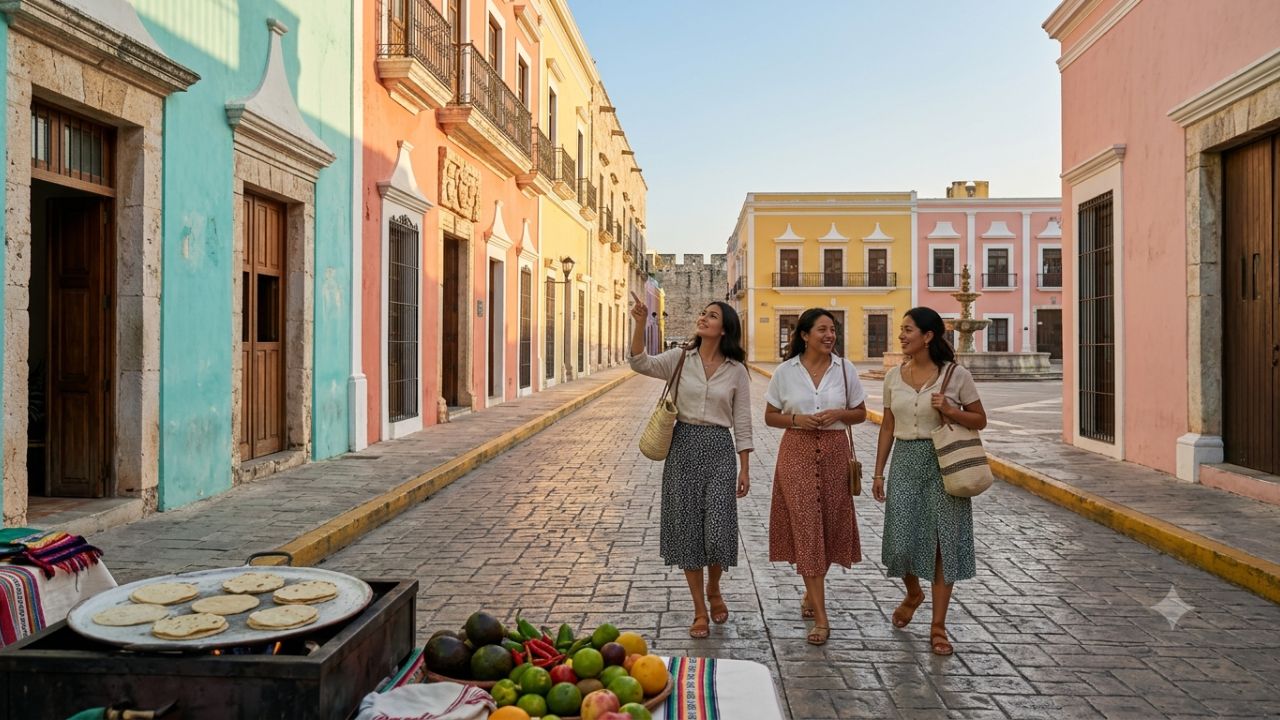
Rising hotel rates and shifting travel patterns across major coastal gateways have focused international traveler attention on Mexico's historic interior, where six preserved colonial capitals—Campeche, Zacatecas, Tlaxcala, Durango, Xalapa, and San Luis Potosí—provide authentic cultural alternatives. Supported by official DataTur metrics showing 28.9 million international tourist arrivals and US$21.7 billion in foreign-exchange receipts from January to July 2026, international voyagers are increasingly bypassing high-density beach corridors in favor of UNESCO-listed fortified ramparts, Baroque silver-mining settlements, indigenous archaeological enclaves, and distinctive regional culinary traditions.
While beach hubs such as Cancún, Los Cabos, and Puerto Vallarta absorb the lion's share of international marketing, national tourism data indicates that visitor spending is dispersing across regional capitals. Exploring inland colonial cities requires assessing actual transport links, lodging formats, local microclimates, and regional bus connectivity rather than assuming lesser-visited destinations operate identically. By analyzing the architectural assets, signature gastronomy, and transit connections across these six cities, travelers can assemble well-calibrated itineraries across central, northern, and southeastern Mexico.
Macro Tourism Performance: National Data Versus Regional Dispersal
Evaluating Mexican tourism trends requires distinguishing between gross border movements, international air arrivals, hotel guests, and overnight tourist counts. National macroeconomic expansion does not automatically dictate uniform performance across all domestic municipalities. Data published by the Secretariat of Tourism (SECTUR) through DataTur and the National Institute of Statistics and Geography (INEGI) reveals steady post-pandemic growth in international overnight visitors leading into 2026.
Historical international tourist volume across Mexico expanded consistently over the five-year baseline period:
| Reporting Year | International Overnight Tourists | Annual Growth Benchmark & Strategic Context |
|---|---|---|
| 2021 | Approximately 31.9 Million | Initial post-pandemic rebound across key international flight gateways |
| 2022 | Approximately 38.3 Million | Strong multi-market recovery with restored cross-border flight routes |
| 2023 | Approximately 42.2 Million | Sustained expansion driven by North American leisure and business travel |
| 2024 | Approximately 45.0 Million | +6.6% year-on-year increase compared to 2023 performance |
| 2025 | Approximately 47.8 Million | +6.2% annual growth, marking an all-time record for overnight stays |
Preliminary DataTur dashboard metrics covering January through July 2026 confirm that the national visitor economy continues to expand, even as individual coastal resort zones experience localized pricing resistance:
| Performance Indicator (Jan–Jul 2026) | Verified Statistic | Year-on-Year Comparison (vs Jan–Jul 2025) | Operational Context & Market Notes |
|---|---|---|---|
| International Tourists | 28.9 Million | +4.5% | Captures overnight international arrivals nationwide |
| Foreign-Exchange Receipts | US$21.7 Billion | +0.3% | Total expenditure generated by international visitors |
| Air Arrivals from United States | 8.1 Million | 65% Market Share | United States maintains dominant source market lead |
| Scheduled Commercial Passengers | 71.6 Million | Official DataTur Series | Combined domestic and international airline passengers |
| Cruise Passenger Arrivals | 7.4 Million | +13.6% | Strong expansion across Caribbean and Pacific ports of call |
| Domestic Hotel Guests (Monitored Hubs) | 37.7 Million | +2.3% | Measured across selected primary hotel destinations |
These indicators confirm that visitor demand remains structurally healthy. For travelers seeking greater cultural immersion and lower lodging rates, inland colonial centers offer rich sightseeing opportunities without the inflated ancillary resort fees typical of oceanfront corridors.
Six Underrated Colonial Destinations: Overview and Itinerary Parameters
The six highlighted colonial cities represent distinct geographic and cultural zones, ranging from the maritime fortifications of the Gulf of Mexico to the high-desert silver valleys of the Sierra Madre.
| Destination & State | Geographic Setting | Primary Heritage Focus | Recommended Stay | Signature Regional Dish |
|---|---|---|---|---|
| Campeche City (Campeche) | Gulf of Mexico Coastline | UNESCO Fortified Town, Maya archaeology | 2–3 Nights | Pan de cazón (dogfish layered tortillas) |
| Zacatecas City (Zacatecas) | North-Central Highlands | UNESCO Silver Mining, Baroque architecture | 2–3 Nights | Asado de boda (celebratory pork in red chile) |
| Tlaxcala City (Tlaxcala) | Central High Valley | Pre-Hispanic murals, religious architecture | 1–2 Nights | Tlacoyos, seasonal escamoles |
| Durango City (Durango) | Northern Sierra Foothills | Historic cinematic sets, neoclassical streets | 2 Nights | Caldillo durangueño (traditional beef stew) |
| Xalapa (Veracruz) | Eastern Mountain Cloud Forest | Olmec anthropology, coffee plantations | 2–3 Nights | Antojitos veracruzanos, regional specialty coffee |
| San Luis Potosí City (SLP) | Central Highland Basin | UNESCO Camino Real, colonial plazas | 2–3 Nights | Enchiladas potosinas (chile-infused masa) |
1. Campeche City: Fortified Walls, Gulf Seafood, and Maya Enclaves
Situated on the western rim of the Yucatán Peninsula along the Gulf of Mexico, San Francisco de Campeche stands as the only walled city in Mexico. Recognized as a UNESCO World Heritage site, the Historic Fortified Town preserves extensive bastions (baluartes), defensive ramparts, and ceremonial stone gateways constructed by the Spanish Crown between 1686 and 1704 to repel pirate incursions.
Cultural Attractions and Excursions
The historic core is centered around the Plaza de la Independencia and the twin-towered Cathedral of Our Lady of the Immaculate Conception. The pedestrianized streets display meticulously restored pastel facades with traditional wrought-iron balconies. Key historical sites include:
- Baluarte de la Soledad & Museo de Arquitectura Maya: Housed inside a maritime bastion, this facility curated by the National Institute of Anthropology and History (INAH) exhibits Maya carved stelae, jade mortuary masks, and architectural elements collected from across the state.
- Puerta de Tierra & Rampart Walks: The eastern land gate hosts evening historical presentations and provides elevated walking access along stone parapets overlooking the historic grid.
- Edzná Archaeological Zone: Located 55 kilometers southeast of the city, Edzná flourished between 600 BC and AD 1500. Its central plaza features the extraordinary Building of the Five Stories (Edificio de los Cinco Pisos), combining temple sanctuaries, residential quarters, and an intricate pre-Columbian hydraulic canal system.
Gastronomic Profile
Campeche's coastal geography shapes its distinct cuisine. The premier regional dish is pan de cazón, consisting of stacked corn tortillas layered with shredded dogfish, refried black beans, and bathed in a cooked tomato sauce spiked with habanero chili. Other staples include fresh stone crab claws, octopus in pickled escabeche, and sweet regional tamales wrapped in banana leaves.
Accommodation Strategy
Reserve boutique hotels within restored 17th- and 18th-century mansions inside the walled perimeter. Because coastal Campeche experiences sustained tropical heat and humidity, prioritize properties featuring functional air-conditioning and central interior courtyards.
2. Zacatecas City: Pink Stone Splendor and Silver-Mining Legacies
Dramatically situated in a narrow mountain ravine 2,496 meters above sea level, Zacatecas was founded in 1546 following the discovery of one of the richest silver veins in the Americas. As a critical anchor on the historical Camino Real de Tierra Adentro, the UNESCO-listed Historic Centre features towering buildings constructed from native pink cantera stone.
Cultural Attractions and Excursions
The city’s topography forces streets into winding alleys (callejones) and steep stone stairways:
- Zacatecas Cathedral: Dominating the Plaza de Armas, the cathedral’s exterior is an exceptional masterpiece of Mexican ultrabaroque (Churrigueresque) stone carving, executed between 1730 and 1760.
- Cerro de la Bufa: This towering rock promontory overlooks the city and was the site of a decisive battle during the Mexican Revolution in 1914. An aerial cable car (teleférico) connects the summit with Cerro del Grillo, providing sweeping panoramic views across the pink-stone canyon.
- Museo Rafael Coronel: Housed within the picturesque ruins of the 16th-century San Francisco Convent, this museum displays an astounding collection of over 10,000 traditional Mexican ethnographic masks, alongside colonial terracottas and puppets.
Gastronomic Profile
Highland temperatures favor hearty fare. The signature dish is asado de boda, tender pork simmered in a complex, sweet-and-spicy sauce crafted from ancho chilies, orange peel, cinnamon, and chocolate, traditionally served at regional weddings. Enchiladas zacatecanas, filled with pork and coated in a poblano-cream sauce, offer another rich regional specialty.
Accommodation Strategy
Lodging in the historic center places travelers within walking distance of principal museums and plazas. Given the city's steep inclines and high elevation, travelers should check hotel accessibility and take time to acclimatize during their first day.
3. Tlaxcala City: Intimate Plazas, Revolutionary Murals, and Pre-Hispanic Art
Located just two hours east of Mexico City, Tlaxcala City is Mexico’s smallest state capital, yet it holds exceptional historical importance. The Tlaxcalan federation formed a pivotal alliance with Spanish forces during the conquest of the Aztec Empire, securing special colonial privileges reflected in its preserved civic architecture.
Cultural Attractions and Excursions
The downtown core is compact and easily navigated on foot:
- Plaza de la Constitución & Palacio de Gobierno: The state government palace contains remarkable panoramic fresco murals painted by local artist Desiderio Hernández Xochitiotzin between 1957 and 2001, depicting the complete pre-Hispanic and colonial history of the Tlaxcalan people.
- Basilica of Ocotlán: Perched on a hill overlooking the city, this 18th-century sanctuary features a dazzling white plaster Churrigueresque facade and a lavishly gilded retablo altar.
- Cacaxtla Archaeological Site: Situated 19 kilometers southwest, Cacaxtla preserves vivid, colorful pre-Columbian wall murals painted by the Olmeca-Xicallanca culture between AD 650 and 900, displaying bird-warriors and jaguar figures preserved beneath a giant protective roof structure.
Gastronomic Profile
Tlaxcala means "place of corn tortillas" in Nahuatl. The cuisine centers on heirloom maize preparations, including blue-corn tlacoyos stuffed with fava beans, pipián seed stews, and delicate seasonal delicacies such as escamoles (ant larvae sautéed in butter and epazote) and maguey worm preparations.
Accommodation Strategy
A stay of one to two nights in a historic hotel adjacent to the central zócalo provides ample time to explore the city center and arrange private vehicle transport to Cacaxtla.
4. Durango City: Cinematic Foothills and Neoclassical Grandeur
Victoria de Durango, the capital of Durango state, marks the transition between central Mexico's agricultural valleys and the northern desert plains. Renowned for centuries as an administrative hub along the silver trade routes, the city developed a sprawling historic center containing over 700 registered historical monuments.
Cultural Attractions and Excursions
Durango offers an accessible urban layout characterized by wide avenues and grand public squares:
- Cathedral Basilica of Durango: Facing the Plaza de Armas, this massive neoclassical structure features ornate choir stalls, sacred art collections, and illuminated evening facades.
- Historic Center Palaces: The Francisco Villa Museum (housed in the former Government Palace) examines the military campaigns of the Mexican Revolution across northern territories.
- Paseo del Viejo Oeste: Operating as an active cinematic filming set since the 1960s, this desert studio hosted legendary Western film productions directed by John Huston and starring John Wayne. It remains open for historical tours and staging demonstrations.
Gastronomic Profile
Northern Mexican culinary traditions dominate Durango's tables. The essential preparation is caldillo durangueño, a savory stew made with shredded beef, roasted poblano chilies, tomatoes, onions, and cumin, served alongside warm flour tortillas. High-quality aged regional cheeses and grilled steaks anchor everyday menus.
Accommodation Strategy
Select established hotels situated around the Plaza de Armas. Because Durango is situated further north than other colonial hubs, it functions best as an extended stop on itineraries connecting Mazatlán on the Pacific coast with Torreón and Monterrey.
5. Xalapa: Highland Coffee Terraces and World-Class Archaeology
Perched at an altitude of 1,420 meters in the verdant cloud forest foothills of Mount Cofre de Perote, Xalapa-Enríquez serves as the intellectual and cultural capital of Veracruz state. Known historically as the "Athens of Veracruz" due to its university community and state symphony orchestra, Xalapa offers a refreshing temperate climate surrounded by mountain mist.
Cultural Attractions and Excursions
Xalapa contrasts with coastal port cities through its cultural institutions and hilly topography:
- Museo de Antropología de Xalapa (MAX): Second in national importance only to Mexico City’s National Museum of Anthropology, MAX houses the world’s definitive collection of pre-Columbian Gulf Coast cultures. The museum displays massive multi-ton Olmec colossal stone heads, intricate Huastec shell carvings, and expressive ceramic statues from the Remojadas and Totonac civilizations.
- Parque Juárez & Historic Core: The central park sits on a high terrace offering views toward the Pico de Orizaba volcano, connecting directly to hillside coffee houses and colonial pedestrian alleys.
- Coatepec Coffee Excursion: Located eight kilometers south, the designated Pueblo Mágico of Coatepec anchors Mexico’s high-altitude shade-grown coffee production, where travelers can tour operational 19th-century fincas and sample single-origin beans.
Gastronomic Profile
Veracruz highland cooking incorporates fresh forest herbs and coastal influences. Menus feature chiles jalapeños rellenos (stuffed with picadillo pork or cheese), antojitos veracruzanos such as garnachas and picaditas, and freshly brewed specialty coffee served in traditional street-corner cafes.
Accommodation Strategy
City center hotels near Parque Juárez allow convenient walking access to cafes and civic monuments. A minimum stay of two to three nights ensures unhurried exploration of the anthropology museum and surrounding coffee plantations.
6. San Luis Potosí City: Baroque Plazas and Desert Crossroads
Founded in 1592 in the San Pedro mineral belt, San Luis Potosí developed into a powerful administrative, religious, and commercial center linking Mexico City with northern territories. The historic center features interconnected pedestrian plazas paved in native pink stone, lined with mansions and convent complexes.
Cultural Attractions and Excursions
The city core is exceptionally well-suited for self-guided walking tours:
- Plaza de Armas & Plaza del Carmen: Plaza del Carmen is anchored by the Church of Nuestra Señora del Carmen, recognized for its Churrigueresque facade and ultra-ornate interior chapel of the Rosary.
- Museo Nacional de la Máscara: Located in an opulent 19th-century neoclassical mansion on Plaza del Carmen, this national institution houses thousands of ceremonial dance masks representing indigenous rituals from across Mexico.
- Regional Gateway to Huasteca Potosina: While the lush canyons, turquoise waterfalls, and surrealist gardens of Las Pozas in Xilitla lie several hours east in the subtropical Huasteca region, the capital provides a well-connected transit base for hiring private vehicles and organizing guided expeditions.
Gastronomic Profile
The city’s signature culinary export is enchiladas potosinas, made by pressing red chili paste directly into raw corn masa, filling the turnovers with queso fresco and chopped onions, searing them on a hot comal, and serving them with refried beans and guacamole. Other regional specialties include zacahuil (giant ceremonial tamales) and prickly pear cactus sweets (queso de tuna).
Accommodation Strategy
Boutique hotels set within restored colonial buildings around Plaza de Armas or Plaza de los Fundadores offer convenient access to dining and museums without requiring intra-city vehicle transfers.
Strategic Travel Logistics: Transportation, Routing, and Planning Advice
Connecting these regional cities requires understanding Mexico’s multimodal transport network. Because these destinations are spread across different geographical zones, attempting to cover all six on a single rapid journey creates significant travel fatigue.
Recommended 10-Day vs. 14-Day Itinerary Structures
- 10-Day Central & Highland Route: Mexico City arrival → Tlaxcala (2 nights via luxury coach) → San Luis Potosí (3 nights via executive coach) → Zacatecas (3 nights via coach) → Depart via Zacatecas International Airport (ZCL).
- 10-Day Southeastern Heritage Route: Mexico City arrival → Xalapa (3 nights via ADO Platino coach) → Veracruz (1 night) → Flight to Campeche (3 nights) → Merida departure.
- 14-Day Grand Colonial Circuit: Fly into Campeche (2 nights) → Regional flight to Mexico City/Puebla → Tlaxcala (2 nights) → Executive coach to San Luis Potosí (3 nights) → Zacatecas (3 nights) → Durango (2 nights via coach) → Depart via Durango International Airport (DGO).
Intercity Coach and Flight Logistics
- Executive Long-Distance Bus Networks: Mexico possesses one of the world's most comfortable luxury coach systems. For travel between Mexico City, Tlaxcala, and Veracruz/Xalapa, utilize ADO Platino or ADO GL, which feature lie-flat seating, individual entertainment screens, and Wi-Fi. For travel through the Bajío and northern highlands connecting San Luis Potosí, Zacatecas, and Durango, utilize ETN (Enlaces Terrestres Nacionales) or Primera Plus.
- Regional Airport Gateways:
- Campeche (CPE): Daily domestic flights connecting to Mexico City Benito Juárez (MEX).
- Zacatecas (ZCL): Nonstop flights to Mexico City alongside direct cross-border services to US hubs including Dallas/Fort Worth and Chicago.
- Durango (DGO): Daily connections to Mexico City, Tijuana, and select US gateways.
- San Luis Potosí (SLP): Robust commercial links to Mexico City, Monterrey, Houston, and Dallas.
- Xalapa: Served via Veracruz International Airport (VER), located 90 minutes away by direct highway.
- Tlaxcala: Accessible via road transfer from Mexico City (MEX) or Puebla International Airport (PBC).
Practical Travel and Safety Considerations
When traveling through inland regional capitals, standard urban precautions apply. Stick to well-illuminated historic centers during evening hours, utilize official radio taxis or rideshare apps (available in larger hubs like San Luis Potosí) rather than flagging unverified street cabs, and schedule highway bus travel during daytime hours. In highland destinations like Zacatecas (2,496m) and Durango (1,890m), stay hydrated to avoid altitude discomfort, and pack layered clothing to accommodate sharp temperature drops between afternoon sun and chilly desert nights.
Key Takeaways
- Expanding Travel Alternatives: As traditional coastal resort costs escalate, inland colonial cities provide preserved UNESCO architecture, authentic dining, and lower overall trip expenditures.
- National Tourism Expansion: Official DataTur reporting registered 28.9 million international tourists and US$21.7 billion in visitor foreign-exchange receipts from January to July 2026, demonstrating steady baseline market demand.
- Distinct Architectural Identities: Campeche features Gulf-front 17th-century fortifications, Zacatecas showcases pink-stone silver mining heritage, and Xalapa anchors pre-Columbian anthropology collections.
- Signature Regional Gastronomy: Each city features protected culinary specialties, from Campeche's pan de cazón and Zacatecas's asado de boda to San Luis Potosí's chili-infused enchiladas potosinas.
- Modern Transit Connectivity: Intercity travel is supported by premium executive bus lines (ADO Platino, ETN, Primera Plus) and regional commercial airports connecting to major North American hubs.
FAQ: Visiting Mexico's Underrated Colonial Cities
Are inland colonial cities significantly cheaper than Mexican beach resorts?
Yes. Hotel room rates, restaurant dining, and local attraction admissions in cities like Campeche, Tlaxcala, and Durango generally average 30 to 50 percent lower than comparable luxury resort corridors in Cancún, Los Cabos, or the Riviera Maya.
What is the best way to travel between these colonial cities?
Mexico’s executive-class long-distance bus networks (such as ETN, Primera Plus, and ADO Platino) offer the most dependable, comfortable transport between central cities, featuring spacious reclining seats and onboard amenities.
Is Campeche safe for international visitors?
Campeche consistently ranks among the safest states in Mexico, with low violent crime rates and a calm, walkable historic center monitored by municipal tourism police.
How many days are needed to visit Zacatecas?
A stay of two to three nights allows sufficient time to tour the UNESCO-listed historic center, explore the silver mine at Mina El Edén, ride the Cerro de la Bufa cable car, and visit the Rafael Coronel mask museum.
What is the best season to visit these interior destinations?
The autumn and winter months (October through March) offer pleasant daytime temperatures, minimal rainfall, and cool evenings across the central and northern highlands, avoiding the heavy summer rains and extreme coastal heat.
Related Travel Guides
Disclaimer
This article is for informational and educational purposes only. It does not constitute legal, financial, or professional advice. While we strive to provide accurate and up-to-date information, travel policies, regulations, and conditions change rapidly. Always verify information with official sources before making travel decisions. Nomad Lawyer makes no representations about the accuracy, reliability, completeness, or suitability of the information provided. Readers should consult qualified professionals for advice specific to their circumstances. The views expressed in this article are those of the author and do not necessarily reflect the views of Nomad Lawyer.
Preeti Gunjan
Contributor & Community Manager
A passionate traveller and community builder. Preeti helps grow the Nomad Lawyer community, fostering engagement and bringing the reader experience to life.
Learn more about our team →