
Jamaica Tops Global Winter Escapes: Why Culture, Jerk Cuisine, and Blue Mountain Peaks Outshine Rival Islands in 2026

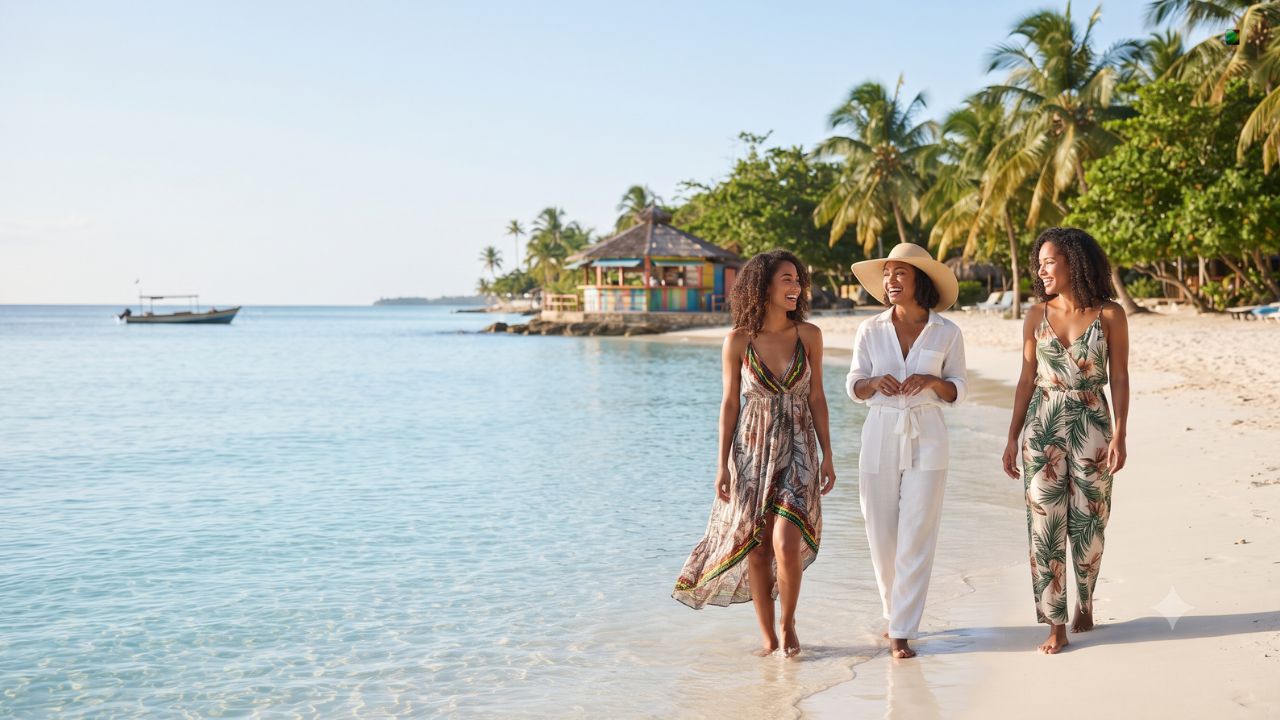
Jamaica secured the number-one position in the global Top 30 Winter Escapes ranking, propelled by strong cultural identity and diverse terrain.
While most tropical islands sell little more than sun loungers and coconut water, tourism generates roughly 53 percent of Jamaica's entire foreign exchange earnings and supports 350,000 jobs—meaning the rhythm of local hospitality is woven into the island's economic DNA. That cultural depth has propelled Jamaica to the undisputed number-one spot in the comprehensive Top 30 Winter Escapes evaluation, outpacing renowned archipelagos including the Bahamas, Fiji, Bali, the U.S. Virgin Islands, and Turks and Caicos. Released as international travelers begin booking sunny winter retreats, the ranking underscores how modern travelers increasingly demand cultural connection, indigenous music, distinct regional food, and rugged mountain hiking alongside Caribbean white sands.
Economic Momentum: Inside Jamaica's Winter Tourism Surge
The economic foundation supporting Jamaica's top ranking is backed by official performance metrics. Data released by the Jamaica Tourist Board reveals that the island welcomed 2.34 million visitors between January and 31 August 2026, generating approximately US$2.5 billion in visitor earnings over the first eight months of the year.
This sustained demand builds upon strong annual performances. In 2025, Jamaica recorded 3,740,731 total arrivals—comprising 2,496,176 land-based stopover guests and 1,244,555 cruise passengers—which brought in US$3.794 billion in tourism receipts. In 2024, the destination logged approximately 4.27 million visitors and roughly US$4.35 billion in earnings.
According to the Jamaica Ministry of Tourism, tourism represents approximately 9.5% of national GDP, directly employs around 175,000 workers, and sustains 350,000 jobs through indirect and induced supply chains. With the United States generating approximately 75% of all stopover arrivals, access is anchored by three international gateways: Sangster International Airport in Montego Bay (MBJ), Norman Manley International Airport in Kingston (KIN), and Ian Fleming International Airport in Ocho Rios (OCJ).
Winter Escapes Comparison: Jamaica Versus Global Island Rivals
The global Top 30 ranking proves that cold-weather travelers are comparing diverse island experiences across several oceans:
| Destination & Category | Winter Travel Ranking | Core Seasonal Appeal | Signature Culinary Identity | Distinctive Geography |
|---|---|---|---|---|
| Jamaica | #1 Global Winter Escape | Reggae heritage, Rastafari culture, Dunn’s River | Jerk chicken, ackee & saltfish | 7,402-ft Blue Mountains to Negril sand |
| The Bahamas | Leading Caribbean Rival | Junkanoo festivals, Exuma Cays boating | Conch salad, lobster, guava duff | Shallow sandbars, coral barrier reefs |
| Turks and Caicos | Luxury Beach Competitor | Ultra-luxury boutique resorts, Grace Bay | Fresh cracked conch, grilled snapper | Flat limestone cays, turquoise flats |
| Fiji | South Pacific Contender | Traditional kava ceremonies, village homestays | Kokoda (cured fish), lovo earth oven | Volcanic peaks, soft coral reefs |
| Bali (Indonesia) | Southeast Asian Powerhouse | Hindu temple festivals, spiritual retreats | Nasi goreng, babi guling, satay | Terraced rice paddies, volcanic calderas |
| Seychelles | Indian Ocean Competitor | Secluded coves, granite boulder shorelines | Creole grilled fish, octopus curry | Vallée de Mai endemic palm forests |
| Mauritius | Indian Ocean Multicultural | Hiking volcanic gorges, tea plantations | Dholl puri, Mauritian rougaille | Dramatic coastal basalt monoliths |
While rival islands excel in single specialties—the Bahamas in private boat charters, Turks and Caicos in high-end secluded resorts, and Fiji in remote marine diving—Jamaica earned the top spot because it allows travelers to combine mountain trekking, river rafting, street dancehall culture, and world-class culinary traditions without leaving the island.
What Makes Jamaica Different: Music, Mountains, and Fire
Jamaica's distinctiveness stems from an irrepressible creative spirit forged across centuries of resistance, marronage, and cultural fusion. You feel this difference the moment you step outside the resort gates.
Beyond the coastal lowlands of Montego Bay and Negril’s Seven Mile Beach lies the rugged interior. Rising to 7,402 feet (2,256 meters), the Blue and John Crow Mountains are recognized by the UNESCO World Heritage Centre for their biological diversity and profound historical role as a refuge for windward Maroons. In these cloud-covered heights, cool mountain air nourishes the world’s most sought-after Arabica coffee beans and sheltered mountain hamlets.
At sea level, the island's rhythm shifts into high gear. In Kingston, the heartbeat of reggae and dub pulses through community sound system dances in Trench Town and downtown street corners. Along the northern coast in Ocho Rios, clear limestone springs rush down through the forest canopy at Dunn’s River Falls directly into the Caribbean Sea.
Cuisine forms an equally powerful anchor. Authentic Jamaican jerk is not a bottled barbecue sauce; it is a meticulous, slow-smoking cooking method invented by Taíno natives and Maroons, who seasoned wild pork with crushed Scotch bonnet peppers, allspice (pimento), and scallions before smoking the meat over green pimento wood coals under corrugated zinc sheets.
Visitor Insider Tips: Navigating Jamaica Like a Seasoned Traveler
To experience the authentic spirit of Jamaica away from standard tour buses, apply these local travel strategies:
- Timing Dunn’s River and Coastal Waterfalls: If you plan to climb Dunn's River Falls in Ocho Rios, arrive precisely at 08:30 am when the gates open. Large cruise ship tour groups arrive en masse between 10:30 am and 1:30 pm, transforming the natural limestone tiers into human traffic jams. Early morning visits allow you to ascend the cool rushing cascades in solitude.
- The Authentic Jerk Trail: Skip the commercial buffet chains and travel to Boston Bay in Portland parish—the undisputed ancestral birthplace of jerk cooking. Order half a pound of pork and chicken straight from the pit masters at Boston Jerk Centre, served on greaseproof brown paper with roasted breadfruit and fried festival dumplings.
- Hiking the Blue Mountain Peak: The classic summit trek starts at Portland Gap around 02:00 am, climbing through high-altitude elfin forests to reach Blue Mountain Peak before sunrise at 06:00 am. Bring fleece layers, windproof jackets, and sturdy headlamps; summit temperatures regularly dip below 10°C before dawn.
- Local Transport Protocols: For traveling between towns, use licensed "Route Taxis" (identified by red license plates with PPV registration). Agree on the fare before entering, or arrange trusted private route drivers through your guesthouse host rather than hailing unlicensed street vehicles.
- Dry Season Planning: The prime travel window runs during the official dry season from December through April. Rainfall drops significantly, trade winds keep daytime humidity pleasant, and major cultural celebrations—including Reggae Month in February—bring live music performances across Kingston.
Cultural and Environmental Context: Community Roots and Reef Stewardship
Jamaica's tourism model is actively confronting environmental sustainability and community equity. The sheer scale of winter visitation places pressure on marine ecosystems, coastal groundwater, and fragile coral shelves along Negril and Montego Bay.
In response, local conservation groups and the government have expanded marine protected areas, such as the Oracabessa Bay Fish Sanctuary, where community-managed coral nurseries and turtle hatcheries have revived depleted reef fish populations. Similar efforts protect the upper watersheds of the Blue Mountains, where reforestation programs ensure coffee cultivation does not erode mountain soils.
Equally important is cultural respect. Rastafari culture is a sacred spiritual and philosophical movement, not a beach costume or photo prop. Travelers visiting cultural communities, such as the Rastafari Indigenous Village near Montego Bay, should approach with genuine humility, ask permission before taking photographs, and respect communal traditions. Supporting independently owned guesthouses, hiring licensed local raft captains along the Martha Brae River, and buying coffee directly from smallholder farmers ensures that visitor dollars circulate directly into rural Jamaican households.
FAQ: Visiting Jamaica for a Winter Escape in 2026
What is the best time of year to visit Jamaica?
The peak dry season runs from December through April. Days are sunny, seas are calm, and humidity remains comfortable, making it the ideal window for hiking and coastal travel.
Do I need a visa to visit Jamaica from the United States or United Kingdom?
Citizens of the United States, Canada, the United Kingdom, and the European Union do not need a visa for tourist stays up to 90 days. You must hold a valid passport and complete the online immigration passenger declaration form prior to arrival.
How do I travel between Kingston and Montego Bay?
The most reliable options are scheduled luxury coaches operated by Knutsford Express (roughly three to four hours along modern toll highways) or short domestic flights connecting Norman Manley (KIN) and Sangster (MBJ).
Which part of Jamaica is best for cultural immersion versus relaxation?
Kingston and Portland parish offer the deepest cultural, musical, and culinary immersion. For relaxed beach lounging and water sports, head to Negril or the boutique coves of Ocho Rios.
From the mist of the Blue Mountain ridge to the glowing coals of a Boston Bay jerk pit, Jamaica proves that the greatest winter escape is not just where you soak up the sun, but where you find your soul.
Related Travel Guides
Caribbean Post-Storm Recovery: Tourism Infrastructure Across Jamaica and Mexico
Jamaica European Airlift Expansion: New Long-Haul Flight Links and Visitor Trends
Blue Mountains Highland Guide: Summit Hikes, Coffee Plantations, and Maroon Heritage
Disclaimer
This article is for informational and educational purposes only. It does not constitute legal, financial, or professional advice. While we strive to provide accurate and up-to-date information, travel policies, regulations, and conditions change rapidly. Always verify information with official sources before making travel decisions. Nomad Lawyer makes no representations about the accuracy, reliability, completeness, or suitability of the information provided. Readers should consult qualified professionals for advice specific to their circumstances. The views expressed in this article are those of the author and do not necessarily reflect the views of Nomad Lawyer.
Raushan Kumar
Founder & Lead Developer
Full-stack developer with 11+ years of experience and a passionate traveller. Raushan built Nomad Lawyer from the ground up with a vision to create the best travel and law experience on the web.
Learn more about our team →