
Lithuania Redefines Eco-Tourism Model with Strict Biodiversity Controls and Renewable Energy
Lithuania leads global regenerative travel by integrating strict reserve access, mandatory dune tolls, and carbon-neutral hospitality across its national parks.

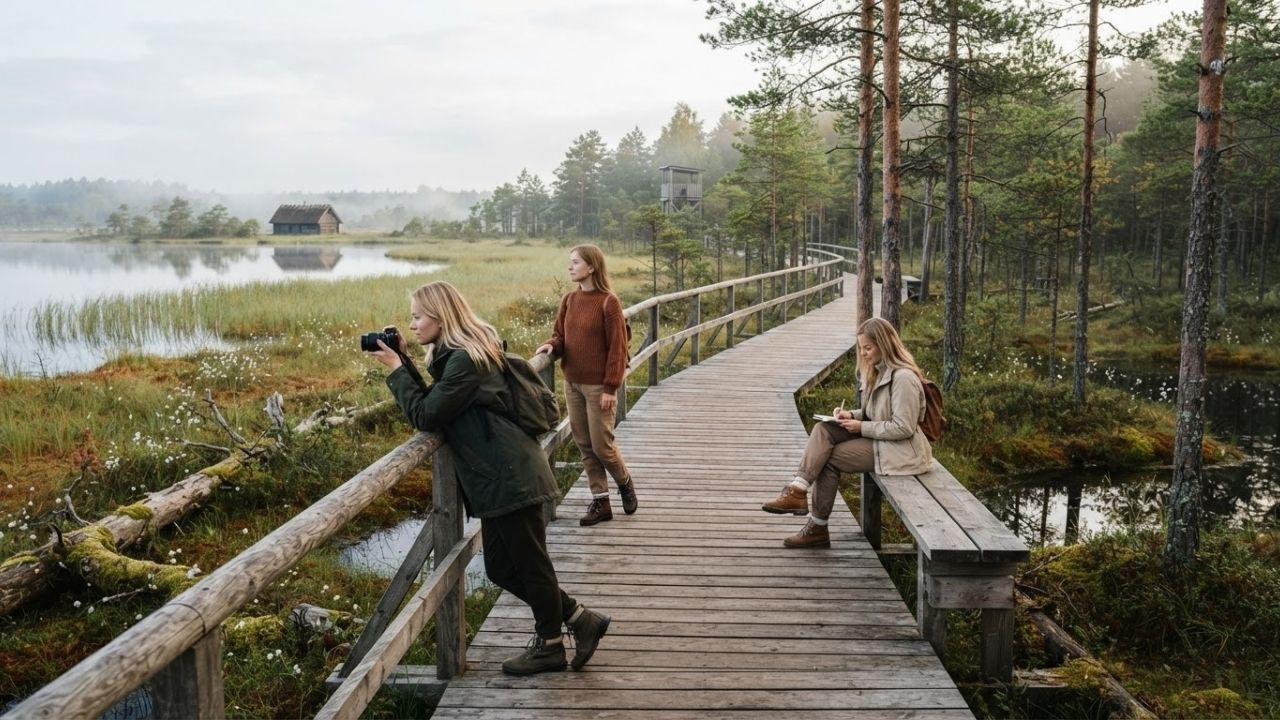
Image generated by AI
Lithuania is setting a new global benchmark for sustainable travel by integrating strict biodiversity conservation, ring-fenced environmental tolls, and carbon-neutral hospitality infrastructure across its national parks and reserves. By capping vehicle entry, expanding renewable energy grids, and directing tourism revenue into ecosystem restoration, the nation demonstrates how travel can actively preserve fragile habitats.
[VILNIUS, Lithuania, Sept. 1, 2026] — Protected natural zones now cover 17.04% of Lithuania’s terrestrial territory and 25.59% of its territorial waters, establishing a high-authority framework for regenerative travel that actively protects delicate ecosystems. Under the strict supervision of the State Service for Protected Areas (VSTT), the Baltic nation manages 1,060 designated protection zones, including 5 National Parks, 30 Regional Parks, 6 Strict Nature Reserves, 404 Managed Nature Reserves, and 7 Ramsar Wetlands of International Importance. The Lithuania regenerative eco-tourism model demonstrates how controlled visitor traffic and mandatory environmental tolls can safeguard primary wilderness without sacrificing rural economic vitality.
Instead of accommodating high-volume tourism, state directives channel travelers into regulated infrastructure designed to prevent soil erosion and habitat fragmentation. Officials have constructed more than 30 elevated observation towers and timber boardwalk networks across vulnerable landscapes like Mūšos Tytuvėnai and Varniai, shielding peatland hydrology while maintaining public access for ecological education.
Protected Wilderness Zones Preserve Fragile Ecosystems Across Žuvintas and Čepkeliai
In the Žuvintas Biosphere Reserve, conservation protocols prioritize the breeding habitat of the globally threatened aquatic warbler. Public entry is restricted to designated timber boardwalks and educational interpretation facilities to ensure nesting activity remains undisturbed during peak reproductive cycles.
The Čepkeliai Strict Nature Reserve, which contains Lithuania’s largest raised bog complex, enforces even stricter entry limits. Public access is entirely prohibited outside of narrow, guided educational windows where visitors must be escorted by official park rangers.
Along the Baltic coast, Curonian Spit National Park—a recognized UNESCO World Heritage Centre site—employs mandatory environmental entrance fees collected from motor vehicles. These funds directly finance continuous sand dune stabilization projects and forest fire prevention systems across fragile coastal barriers.
National Parks Enforce Strict Environmental Principles Across Aukštaitija, Dzūkija, Žemaitija, and Trakai
Lithuania distributes its visitor management strategies across its national park system to protect regional ecological assets. Aukštaitija National Park, the country’s oldest national park, safeguards extensive forest and interconnected lake networks by restricting water transport to regulated routes and limiting overnight stays to primitive camping sites.
Dzūkija National Park, the largest protected territory in the country, protects inland sand dunes and ancient pine stands by directing hikers along marked paths, preventing the destruction of sensitive lichen mats.
In Žemaitija National Park, management policies ban combustion-engine watercraft across glacial lakes and enforce seasonal fishing limits to prevent aquatic contamination. Trakai Historical National Park combines historical preservation with aquatic conservation, enforcing strict shoreline construction limits to preserve water clarity. Regional environmental officers continually conduct ecological audits across all four parks to verify that human activity remains within sustainable thresholds.
Carbon-Neutral Hospitality and Green Grid Infrastructure Scale Across Zarasai, Molėtai, and Anykščiai
Lithuania’s accommodation sector is executing a structured transition toward net-zero operational standards through mandatory eco-certifications and green architecture guidelines. High-performing facilities acquire the Green Key Eco-Label, which mandates verifiable benchmarks in energy conservation, chemical reduction, and waste stream sorting.
The Lithuanian Countryside Tourism Association (LCTA / Atostogos kaime) oversees a national rural rating system governing nearly 400 rural tourism providers. The organization awards eco-stork ratings based on an establishment's reliance on local building materials, on-site wastewater processing, organic food sourcing, and renewable energy adoption.
On the macro level, hospitality decarbonization aligns with the updated National Energy and Climate Plan (NECP), which mandates 100% domestic electricity generation from renewable wind and solar resources before 2030. Independent lodges across Zarasai, Molėtai, and Anykščiai deploy geothermal heat pumps, FSC-certified modular timber framing, and constructed wetland filtration systems.
To complete the clean transport chain, the Ministry of Transport and Communications manages state-subsidized electric vehicle charging networks that connect Vilnius, Kaunas, and Klaipėda directly with remote wilderness gateways.
Key Visitor Directives and Conservation Highlights
- Mandatory Entry Fees: Peak season tolls between €20 and €30 per vehicle in Neringa Municipality generate over €2.5 million annually for coastal barrier defense.
- Strict Reserve Entry Rules: Access to Čepkeliai Strict Nature Reserve is strictly prohibited without official park ranger escorts during designated windows.
- Renewable Energy Grid Target: Under national NECP directives, 100% of domestic electricity will be generated from solar and wind power before 2030.
- High-Density Water Protections: Combustion engines are banned across glacial lakes in Žemaitija National Park to preserve aquatic quality.
- Green Capital Recognition: Vilnius holds the European Green Capital title for 2025 with over 61% municipal green space coverage.
Urban Gateways Link Electric Mass Transit in Vilnius, Kaunas, and Klaipėda
Major urban municipalities serve as low-carbon transit nodes connecting international arrivals with rural wilderness areas. Municipal transit authorities prioritize electrified public fleets, municipal bike networks, and sustainable urban design to reduce visitor carbon footprints immediately upon entry.
In Vilnius, public transit routes run on zero-emission grid power, while city planners expand dedicated cycle corridors linking city centers to surrounding woodland reserves. Kaunas integrates low-impact river transport and pedestrian infrastructure along its main river confluence zones.
As the principal maritime entry point, Klaipėda executes green port initiatives alongside electric bus deployment to curb urban emissions near marine habitats. Integrated transit planning enables incoming visitors to cross from city terminals to remote nature reserves without relying on fossil-fuel transportation.
Community-Based Tourism Drives Economic Retention Across Varėna, Šilutė, and Trakai
Lithuania’s community-based travel framework redirects visitor spending away from centralized urban markets directly into rural municipal economies. By managing over 60% of countryside hospitality stays, the LCTA channels capital into agrarian and forestry settlements across Varėna, Šilutė, and Trakai.
This revenue stream directly funds regional cultural heritage preservation, including artisanal workshops in Samogitian culinary preparation, Suvalkija honey harvesting, and Baltic linen weaving.
Community-led initiatives also incorporate citizen science and environmental restoration programs. Visitors participate in organized river cleanup sweeps along the Minija and Merkys rivers, assist in invasive flora removal projects, and monitor wild bird populations alongside park specialists.
Rural homesteads maintain regional agricultural biodiversity by preserving heritage seed collections and breeding indigenous Žemaitukai horses, reinforcing the link between tourism revenue and environmental stewardship.
Strategic Governance Matrix: Biodiversity, Hospitality, and Regional Travel
| Sector | Primary Governing / Supporting Bodies | Strategic Focus |
|---|---|---|
| Biodiversity & Parks | State Service for Protected Areas (VSTT), Ministry of Environment | Habitat protection, regulated boardwalk access, UNESCO reserve management |
| Eco-Accommodation | Green Key, Lithuanian Countryside Tourism Association (LCTA) | Grid decarbonization, waste reduction, renewable heat pumps, eco-stork ratings |
| Community Travel | LCTA (Atostogos kaime), Local Municipalities | Rural income retention, ethnographic preservation, low-impact regional travel |
Afforestation Projects Expand Forest Cover Dynamics Across Labanoras and Dzūkija
Forest ecosystems cover approximately 35.2% of Lithuania’s total land area, encompassing 2.2 million hectares of woodland. State forestry regulations require over 70% of these forest lands to maintain official sustainable management certifications, balancing environmental conservation with controlled timber usage.
National policy directives target expanding total forest coverage to 38% by 2030 through state-funded afforestation campaigns and active habitat restoration projects. Managed woodlands act as critical carbon sinks, absorbing millions of metric tonnes of carbon dioxide annually to balance national carbon outputs.
Forestry initiatives focus heavily on the pine ecosystems of Labanoras Regional Park—Lithuania’s largest regional park—and the old-growth tracts of Dainava Forest in Dzūkija. Travelers visiting these forest zones contribute directly to conservation funds through local eco-tourism fees, supporting ongoing trail maintenance, wildlife protection, and sustainable forestry programs.
Slow Water Eco-Mobility Electrifies Inland Hydrological Corridors in Lake Galvė and Aukštaitija
Transport authorities are converting water transit across Lithuania’s 6,000 lakes and 22,000 rivers into zero-emission hydrological corridors. Featuring over 820 km of navigable inland waterways and coastal lagoons, national transport directives require the complete electrification of public passenger ferries operating in the Curonian Lagoon by 2030.
Solar-powered vessels and electric boats navigate freshwater locations including Lake Galvė in Trakai and Lake Plateliai in Žemaitija National Park, reducing engine noise and eliminating fuel spills.
Non-motorized paddling routes form a secondary pillar of the inland water transport framework. Pristine aquatic corridors along the Žeimena, Būka, and Lakaja rivers in Aukštaitija National Park allow canoeists and kayakers to traverse sensitive freshwater habitats without altering bank structures or water chemistry.
Organic Agro-Tourism Networks Strengthen Native Soils Across Dzūkija and Samogitia
Certified organic farmstays anchor Lithuania’s farm-to-table travel sector, preventing agricultural chemical runoff from entering soil networks. Certified organic farming accounts for roughly 9% of total cultivated land, supported by more than 400 certified rural homesteads linked into local organic distribution loops.
Agro-tourism providers generate 15% to 20% higher revenue per bed-night compared to conventional rural lodging, retaining capital directly within agrarian communities.
Regional farming practices reflect these ecological priorities across the country. In the sandy soils of Dzūkija, organic buckwheat and wild berry harvesting cooperatives operate low-impact agricultural models that shield surrounding biodiversity. In Samogitia (Žemaitija), historic dairy farms combine traditional processing techniques with organic farmstay programs that fund ongoing soil restoration.
Ring-Fenced Eco-Tolls Fund Dune Stabilization Across Curonian Spit and Nagliai
Lithuania utilizes targeted financial mechanisms to fund coastal preservation across its barrier islands. During peak summer travel periods, motor vehicles entering Neringa Municipality must pay a local environmental entry toll ranging from €20 to €30 per vehicle.
This ring-fenced toll generates over €2.5 million annually, which is allocated exclusively to sand dune stabilization projects, timber staircase repairs, and forest fire prevention systems across 98 km of coastal sand barriers.
These ring-fenced revenues safeguard the UNESCO-listed Curonian Spit, directly countering dune erosion caused by storm surges and visitor foot traffic. Field operations focus on high-impact locations, including the shifting Parnidis Dune and the protected Dead Dunes inside Nagliai Strict Nature Reserve.
European Green Capital Standards Integrate Nature Infrastructure in Vilnius and Kaunas
Lithuania integrates green spaces directly into municipal planning to connect urban centers with natural habitats. Demonstrating this focus, Vilnius earned the title of European Green Capital for 2025, supported by municipal green space coverage exceeding 61% of its urban land area.
Public transit systems across Vilnius and Kaunas operate 100% electric and hybrid buses, supported by over 150 km of continuous bicycle paths linking city centers to peripheral reserves.
Inside Vilnius municipal boundaries, Pavilniai Regional Park gives residents and visitors immediate access to protected geological formations and forested hiking routes. Features like the Ribiškės Erosion Landscape Trail demonstrate how urban centers can offer direct access to natural terrain via public transit without causing habitat fragmentation.
Subterranean Geothermal Balneotherapy Powers Wellness Resorts in Druskininkai and Birštonas
Lithuania utilizes deep geothermal resources and natural mineral springs to power low-carbon wellness operations in its health resort districts. Subterranean geothermal water drawn from depths between 1,000 and 2,000 meters delivers natural fluid temperatures between 40°C and 80°C.
By operating closed-loop geothermal heat pumps, wellness facilities and thermal bathhouses lower operational heating emissions by up to 60%.
This thermal infrastructure supports major resort centers like Druskininkai along the Nemunas River and the historical spa municipality of Birštonas. These wellness hubs deliver balneotherapy and mineral water treatments using clean, renewable geothermal energy.
Circular Bioeconomy Practices Eliminate Hospitality Waste in Varėna and Nemunas Delta
Eco-restaurants and rural homesteads in Lithuania connect directly with hyper-local foraging networks and closed-loop waste systems. The country features 44 establishments listed in the Michelin Guide, including venues awarded Green Stars for verifiable zero-waste management.
Participating restaurants source ingredients within a 50 km radius, while certified rural homesteads record organic waste diversion rates exceeding 80% through systematic on-site composting.
This circular model relies on native ecosystems and traditional food gathering techniques. In Varėna, recognized as the mushroom capital of Lithuania, commercial menus feature wild fungi and berries harvested sustainably from surrounding pine forests. In the Nemunas Delta, traditional fish-smoking communities in Kintai and Rusnė utilize zero-waste seafood preparation methods that directly support local artisanal fishermen.
Avian Flyway Conservation Funds Ornithological Research at Ventė Cape and Nemunas Delta
Birdwatching travel generates vital revenue for seasonal wetland protection along the East Atlantic Flyway. Lithuania records more than 300 bird species, with millions of migratory birds traversing its coastal and wetland corridors during annual spring and autumn migrations.
Specialized birdwatching tours generate over €1.5 million seasonally for rural delta communities, providing economic incentives to maintain wetland habitats.
The Ventė Cape Ornithological Station at Ventės Ragas rings up to 80,000 birds annually, operating as one of Europe’s principal avian research facilities. Conservation funding extends across the Kintai Ponds and the seasonal floodplains of Nemunas Delta Regional Park, where eco-tourism revenues fund wetland monitoring, invasive species management, and nesting site protection.
Industry Impact Analysis: Rethinking Global Travel Economics
Lithuania’s systematic integration of strict environmental limits, mandatory entrance tolls, and decentralized rural hospitality provides a proven alternative to high-density mass tourism. By capping access to strict nature reserves like Čepkeliai and reinvesting vehicle fees from Neringa Municipality directly into coastal defense, state authorities demonstrate that ecological protection and tourism revenue generation can operate as complementary goals.
Furthermore, aligning rural hospitality standards with national energy policies—such as the NECP mandate for 100% domestic renewable electricity by 2030—establishes a scalable framework for national tourism decarbonization.
For international destination managers, Lithuania offers empirical proof that capping vehicle access, enforcing strict architectural guidelines, and subsidizing community-based agriculture yields higher per-visitor revenue while protecting critical natural capital.
Why This Matters: Essential Takeaways for Eco-Conscious Travelers
For travelers planning trips to Lithuania's eco-tourism reserves, understanding these regulatory structures optimizes the travel experience:
- Follow Boardwalk Guidelines: Stick strictly to elevated wooden walkways in Žuvintas and Mūšos Tytuvėnai to avoid disturbing aquatic warbler nests or damaging delicate peatland soils.
- Budget for Peak Vehicle Entry Tolls: Visitors driving into Neringa Municipality on the Curonian Spit should anticipate the €20 to €30 peak season vehicle entry toll, which directly funds sand dune stabilization.
- Book Guided Reserve Tours in Advance: Entry to Čepkeliai Strict Nature Reserve is strictly limited to small, ranger-guided educational groups—advance reservation through park headquarters is mandatory.
- Look for LCTA Eco-Stork Ratings: Choose rural accommodations holding LCTA eco-stork certification or Green Key labels to guarantee your stay supports renewable grid power, hyper-local organic food sourcing, and on-site waste diversion.
Frequently Asked Questions
What is Lithuania’s overall target for renewable energy by 2030?
Under its updated National Energy and Climate Plan (NECP), Lithuania aims for over 45% renewable energy in gross final energy consumption and plans to cover 100% of domestic electricity needs from renewable wind and solar sources before 2030.
How are fragile bogs and coastal dunes protected from over-tourism?
The State Service for Protected Areas (VSTT) enforces strict zoning, constructs raised timber boardwalks, restricts unguided public entry in strict reserves like Čepkeliai, and uses entrance tolls in Curonian Spit National Park to fund dune stabilization and fire prevention.
What role does the LCTA play in sustainable rural travel?
The Lithuanian Countryside Tourism Association (LCTA / Atostogos kaime) represents nearly 400 rural tourism providers, evaluating stays with eco-stork ratings based on renewable energy usage, local building materials, waste treatment, and rural income retention.
How does birdwatching tourism support conservation in the Nemunas Delta?
Specialized birdwatching tours along the East Atlantic Flyway generate over €1.5 million seasonally for rural delta communities, directly funding wetland monitoring, nesting site protection, and research at the Ventė Cape Ornithological Station.
Related Travel Guides
Disclaimer
This article is for informational and educational purposes only. It does not constitute legal, financial, or professional advice. While we strive to provide accurate and up-to-date information, travel policies, regulations, and conditions change rapidly. Always verify information with official sources before making travel decisions. Nomad Lawyer makes no representations about the accuracy, reliability, completeness, or suitability of the information provided. Readers should consult qualified professionals for advice specific to their circumstances. The views expressed in this article are those of the author and do not necessarily reflect the views of Nomad Lawyer.
Raushan Kumar
Founder & Lead Developer
Full-stack developer with 11+ years of experience and a passionate traveller. Raushan built Nomad Lawyer from the ground up with a vision to create the best travel and law experience on the web.
Learn more about our team →