
How Travel to Panama Rewires Brain Pathways and Boosts Cognitive Health
Clinical data shows traveling to Panama's cloud forests and coastal ecosystems rewires neural pathways, cuts cortisol by 24%, and boosts NK immune cells.

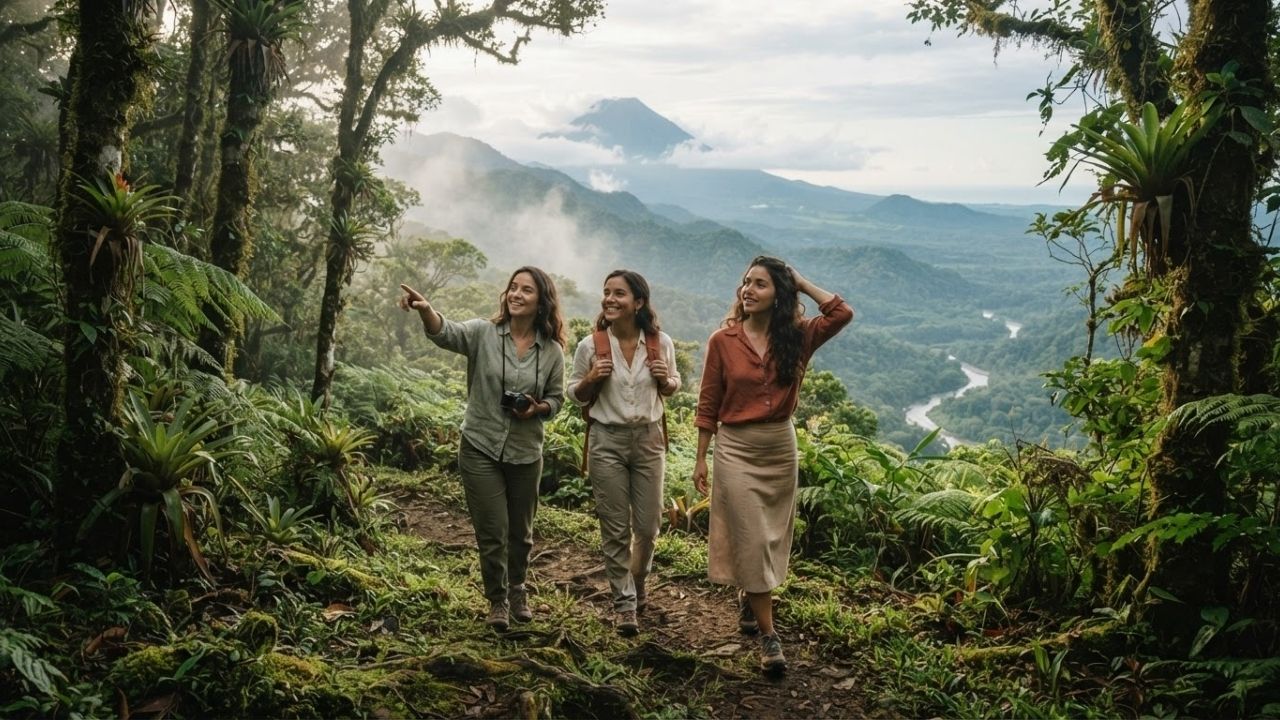
Image generated by AI
New neuroscientific research and environmental clinical assessments show that traveling to unfamiliar geographic settings rewires brain pathways, triggers neuroplasticity, and down-regulates systemic stress hormones. By exploring diverse ecosystems across Panama—from urban biophilic parks to high-altitude cloud forests—travelers experience measurable reductions in cortisol, enhanced parasympathetic cardiovascular tone, and a 40% to 50% surge in Natural Killer immune cell activity.
[PANAMA CITY, Panama, Sept. 1, 2026] — Clinical research evaluating environmental psychology and neurobiology reveals that stepping away from daily routines into novel geographic settings fundamentally alters human brain architecture and endocrine balance. According to reports by environmental health researchers and data monitored by the Autoridad de Turismo de Panamá (ATP), traveling through contrasting topographies disengages automatic cognitive loops and stimulates dormant neural networks.
When individuals navigate unfamiliar destinations, executive networks in the prefrontal cortex replace the routine-bound processing of the basal ganglia. This environmental disruption activates the ventral tegmental area (VTA), releasing elevated dopamine into neural pathways to heighten spatial alertness, curiosity, and hippocampal memory consolidation.
Unfamiliar Settings Trigger Neuroplasticity and Executive Dopamine Release
Neuroplasticity allows the adult brain to continuously form fresh synaptic connections throughout a lifetime. Stepping into foreign surroundings demands active cognitive engagement to decipher unfamiliar regional dialects, map complex topographies, and interpret novel cultural norms.
This heightened environmental input triggers dopamine surges within the VTA-hippocampal axis. Elevated neurotransmitter levels accelerate learning, reinforce memory storage, and foster divergent thinking by forcing executive networks to cross-reference contrasting mental frameworks.
Environmental Disruption Suppresses Cortisol and Resets the Human HPA Axis
Adhering strictly to repetitive daily routines maintains baseline hyper-activation within the Hypothalamic-Pituitary-Adrenal (HPA) axis. Over time, persistent glucocorticoid exposure causes systemic cortisol overload, impairing immune response, disrupting metabolic function, and driving mental fatigue across working populations.
Relocating to novel natural environments disrupts continuous rumination loops. Clinical evaluations demonstrate that immersion in foreign topographies yields significant down-regulations in circulating serum cortisol and salivary alpha-amylase, providing physiological stress relief that persists for weeks after returning home.
Simultaneously, exposure to green and blue spaces shifts autonomic nervous system tone away from sympathetic "fight-or-flight" dominance into a parasympathetic "rest-and-digest" state, reducing resting heart rate and systemic arterial pressure.
Hippocampal Neurogenesis and Quieting the Default Mode Network
Acquiring novel spatial navigation skills across complex terrain stimulates neurogenesis within the hippocampus, expanding structural dendritic branching within Broca’s and Wernicke’s language processing regions.
Concurrently, shifting surroundings quietens the Default Mode Network (DMN)—the interconnected neural system responsible for internal monologue, self-referential thought, and passive mind-wandering. Because DMN hyperactivity directly correlates with clinical anxiety and existential stress, environmental disruption calms intrusive neural loops, promoting present-moment mindfulness and clearing cognitive exhaustion.
Panama City's Biophilic Transition Shifts Brainwaves from Beta to Alpha
The urban environment of Panama City provides a striking contrast where historic colonial districts like Casco Antiguo adjoin modern skyscraper corridors and protected rainforest reserves like Metropolitan Natural Park. Navigating this varied architectural environment engages visual-spatial mapping within the parietal lobe while demanding executive adaptation from the prefrontal cortex.
Transitioning directly from high-density commercial zones into protected biophilic rainforest reserves alters global brainwave patterns. Electroencephalogram (EEG) recordings show brainwaves shifting from high-frequency Beta stress waves (13–30 Hz) into calm, focused Alpha waves (8–12 Hz), reducing mental fatigue while sharpening cognitive focus.
Boquete's Cloud Forest Canopy Surges Natural Killer Cells via Airborne Phytoncides
Located within the high-altitude Chiriquí Highlands surrounding the active volcano Mount Barú, Boquete provides a cool mountain cloud forest environment managed under agricultural guidelines by Panama’s Ministerio de Desarrollo Agropecuario (MIDA).
The dense canopy foliage in Boquete releases volatile antimicrobial organic compounds known as phytoncides—including alpha-pinene and limonene—into the mountain air. Inhaling these airborne compounds during forest walks lowers sympathetic nervous system tension and reduces circulating inflammatory cytokines like Interleukin-6 (IL-6) and Tumor Necrosis Factor-alpha (TNF-alpha).
Following 2 days of cloud forest immersion, subjects exhibit a 40% to 50% surge in Natural Killer (NK) immune cell activity, accompanied by elevated levels of anti-cancer proteins such as perforin and granzymes A and B. These boosted immune markers remain elevated in the bloodstream for up to 30 days. Furthermore, navigating steep mountain trails requires proprioceptive micro-adjustments that stimulate the cerebellum and drive synthesis of Brain-Derived Neurotrophic Factor (BDNF).
El Valle de Antón Caldera Resets Circadian Pacemakers and Melatonin Curves
Situated inside the vast caldera of an extinct volcano in Coclé province, El Valle de Antón offers a secluded microclimate rich in natural thermal activity. The surrounding crater walls shield the valley from heavy industrial light pollution and ambient noise.
This reduction in artificial light pollution, combined with natural mountain shade cycles, resets the suprachiasmatic nucleus (SCN)—the master circadian clock in the hypothalamus. Normalizing light-dark inputs restores nocturnal melatonin secretion curves, altering overall sleep architecture.
Time spent in Stage N3 Deep Slow-Wave Sleep increases by 30% to 50%, enabling cellular repair, growth hormone release, and glymphatic brain waste clearance. Simultaneously, Rapid Eye Movement (REM) sleep duration extends by 20%, allowing the brain to process emotional memories and restore psychological clarity. Soaking in mineral geothermal springs lowers systemic inflammatory cytokines, releasing deep musculoskeletal tension.
Bocas del Toro Blue Space Acoustic Frequencies Relieve Cognitive Fatigue
The Bocas del Toro archipelago in Caribbean Panama features coastal mangrove forests, vibrant coral reefs, and tranquil marine ecosystems. Coastal environments provide specific visual and auditory frequencies that foster rapid neurological recovery.
Listening to low-frequency acoustic ocean waves alters brainwave synchrony, encouraging Theta wave generation (4–8 Hz) associated with deep meditation, creative insight, and emotional processing. Simultaneously, gazing out across open ocean horizons allows the eyes' ciliary muscles to relax from continuous short-range screen focus. Expanding the visual field to long-range horizons results in a 60% reduction in visual-cortical load, while observing natural fractal patterns lowers mental fatigue metrics by up to 35%.
Portobelo Heritage Immersion Stimulates Mesolimbic Memory and Empathy Circuits
Located along the Caribbean coast of Colón province, Portobelo features UNESCO World Heritage Centre colonial fortifications and a vibrant Afro-Panamanian cultural heritage. Engaging directly with this living historical environment activates key cognitive and emotional pathways.
Immersing oneself in Portobelo's historical traditions activates the mesolimbic dopamine pathway, reinforcing long-term episodic memory storage within the hippocampus. Engaging with unfamiliar historical perspectives stimulates the mirror neuron system and temporoparietal junction, building interpersonal empathy and expanding perspective-taking abilities.
Quantifiable Physiological Shifts in Biomarkers and Stress Indicators
| Physiological Metric / Biomarker | Baseline Trigger / Environment | Quantitative Change | Clinical Health Impact |
|---|---|---|---|
| Salivary Alpha-Amylase | 72 hours in novel environment | 30% to 45% reduction | Immediate suppression of sympathetic stress response |
| Serum Cortisol | 4 consecutive days away from workplace | 24% baseline reduction | Halts glucocorticoid neurotoxicity & hippocampal damage |
| Heart Rate Variability (HRV) | 48 hours in forest / coastal setting | 15% to 22% increase | Boosts parasympathetic dominance & cardiovascular resilience |
| Resting Heart Rate | 48 hours in natural topography | 5 to 8 bpm drop | Reduces arterial blood pressure & vascular inflammation |
| Natural Killer (NK) Cells | 2 days of cloud forest immersion | 40% to 50% activity surge | Enhances anti-viral and anti-cancer immune defense for 30 days |
| Stage N3 Deep Sleep | Secluded caldera / natural SCN light reset | 30% to 50% duration increase | Accelerates cellular repair & glymphatic brain waste clearing |
| REM Sleep Duration | Natural light-dark cycle alignment | 20% extension | Improves emotional memory processing & mental clarity |
| Visual-Cortical Load | Long-range ocean horizon viewing | 60% strain reduction | Eliminates ciliary muscle fatigue from digital screens |
| Creative Problem-Solving | Multi-day cross-cultural engagement | 50% score increase | Expands divergent thinking & structural dendritic branching |
Bio-Environmental Diversity Rebalances Gut Microbiome and Mood Chemistry
The enteric nervous system—commonly referred to as the "gut-brain axis"—serves as a primary regulator of psychological health. Up to 90% of the body's total serotonin supply is synthesized within the gastrointestinal tract via microbial metabolism. Stagnant environmental routines can reduce microbial diversity, impairing neurotransmitter synthesis and elevating neuroinflammation along the vagus nerve.
Traveling to new geographic regions exposes the body to novel environmental microflora, diverse soil microbes, and varied dietary inputs. Within 5 to 7 days of bio-environmental variation, the gut bacterial diversity ratio (Firmicutes to Bacteroidetes) expands considerably. This microbial rebalancing enhances short-chain fatty acid synthesis, modulates vagus nerve signalling, reduces neuroinflammation, and improves baseline mood regulation.
Cross-Cultural Immersion Drives Creative Problem-Solving and Cognitive Reserve
Deep immersion in foreign cultural environments places unique demands on executive cognitive function. Navigating unfamiliar societal norms, deciphering foreign dialects, and managing novel logistical challenges forces the brain out of entrenched mental habits. This cognitive demand stimulates neurogenesis within Broca’s and Wernicke’s language processing centers, while expanding structural dendritic branching throughout the prefrontal cortex.
Psychological evaluations demonstrate that multi-day cross-cultural engagement yields a 50% increase in creative problem-solving scores, as measured by Guilford’s Alternative Uses Test and remote associates assessments. Over a lifetime, frequent cultural immersion builds a robust cognitive reserve, resulting in a 20% reduction in markers associated with age-related cognitive decline.
Industry Impact Analysis: Designing Travel Interventions for Wellness
The intersection of neuroscience and destination planning provides a clinical foundation for medical tourism and wellness travel design. Rather than marketing travel as passive leisure, destination authorities and tour operators can structure itineraries around specific bio-environmental triggers—such as high-altitude phytoncide exposure, coastal acoustic reset, and biophilic urban transitions.
Integrating research-backed environmental shifts into travel programming allows destination managers to position natural reserves like Boquete and El Valle de Antón as active therapeutic settings. This approach establishes a quantitative framework for wellness travel, proving that strategic environmental immersion yields verifiable long-term physiological health benefits.
Why This Matters: Essential Takeaways for Health-Focused Travelers
For travelers seeking maximum cognitive and biological restoration, structuring trips around neuroscientific principles optimizes health outcomes:
- Aim for at Least 4 Days: Endocrine evaluations show that 4 consecutive days away from routine environments are required to achieve a 24% baseline reduction in serum cortisol.
- Combine Altitude and Forest Trekking: Spending 2 days in high-altitude cloud forests like Boquete triggers a 40% to 50% surge in Natural Killer immune cells that remains active for 30 days.
- Utilize Ocean Horizons for Digital Fatigue: Gazing at open coastal horizons in Bocas del Toro reduces visual-cortical strain by 60%, accelerating recovery from screen-induced eye fatigue.
- Choose Low-Light Caldera Stays: Accommodations inside secluded volcanic calderas like El Valle de Antón shield the brain from light pollution, increasing Stage N3 deep sleep by 30% to 50%.
Frequently Asked Questions
How quickly do neurobiological changes occur during travel?
Neurochemical shifts, such as elevated dopamine release and reduced salivary alpha-amylase, can occur within hours of entering a novel environment. Structural neuroplastic adaptations typically strengthen after several days of sustained environmental and cultural immersion.
Can short trips produce measurable brain health benefits?
Yes. Clinical measurements confirm that spending 48 to 72 hours in novel environments quietens the Default Mode Network, drops salivary alpha-amylase by 30% to 45%, and increases Heart Rate Variability by 15% to 22%.
Why does cloud forest immersion in Boquete improve immune function?
Inhaling natural airborne compounds called phytoncides released by cloud forest canopies lowers circulating stress hormones and triggers a 40% to 50% increase in Natural Killer (NK) immune cell activity that persists for up to 30 days.
How does coastal exposure in Bocas del Toro affect brainwaves?
Listening to rhythmic coastal acoustic frequencies encourages low-frequency Theta wave generation (4–8 Hz), while viewing broad ocean horizons cuts visual-cortical load by 60%, relieving visual and cognitive fatigue.
Related Travel Guides
Disclaimer
This article is for informational and educational purposes only. It does not constitute legal, financial, or professional advice. While we strive to provide accurate and up-to-date information, travel policies, regulations, and conditions change rapidly. Always verify information with official sources before making travel decisions. Nomad Lawyer makes no representations about the accuracy, reliability, completeness, or suitability of the information provided. Readers should consult qualified professionals for advice specific to their circumstances. The views expressed in this article are those of the author and do not necessarily reflect the views of Nomad Lawyer.
Raushan Kumar
Founder & Lead Developer
Full-stack developer with 11+ years of experience and a passionate traveller. Raushan built Nomad Lawyer from the ground up with a vision to create the best travel and law experience on the web.
Learn more about our team →