
Estonia Integrates Digital Trade and High-Yield Tourism as Tallinn, Tartu, and Pärnu Drive National Expansion: Latest Update
Estonia unlocks a new economic era as digital trade and high-yield tourism unite across Tallinn, Tartu, and Pärnu, driving $12.67B in service exports.

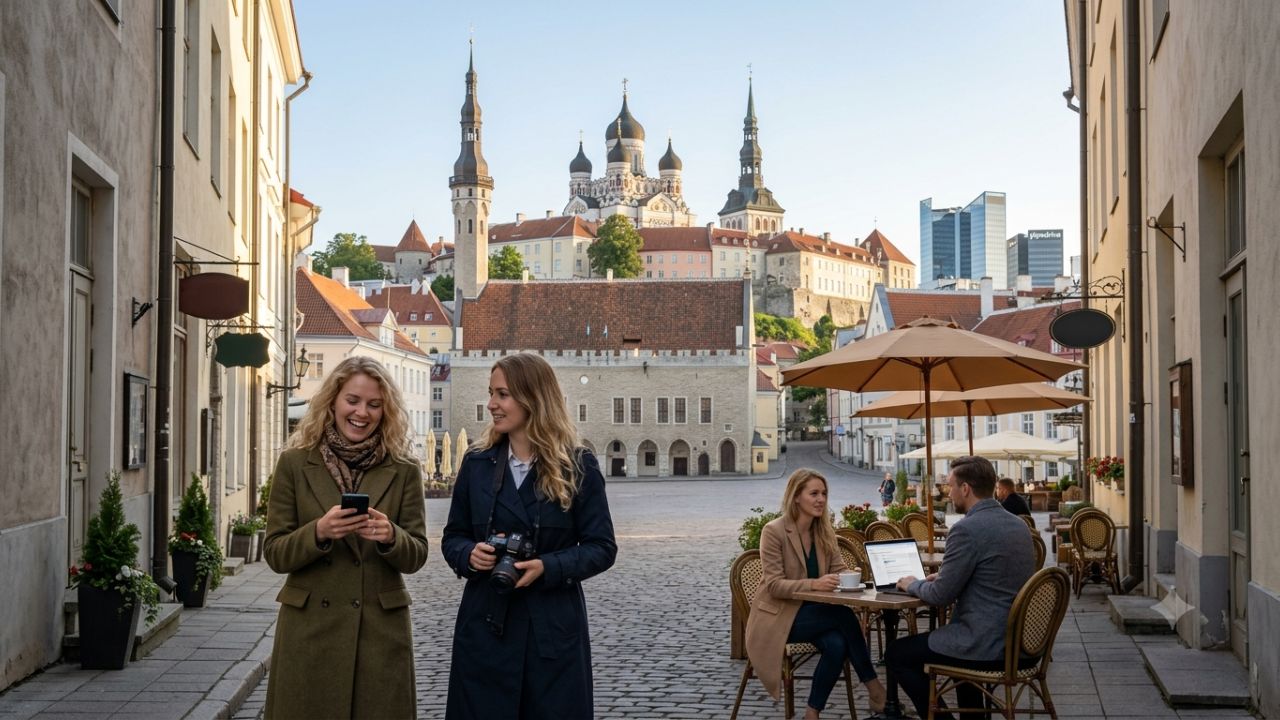
Estonia's seamless fusion of digital trade and high-yield tourism is driving sustainable growth across Tallinn, Tartu, and Pärnu.
Demonstrating how advanced administrative digitisation and visitor economies can operate as mutually reinforcing pillars of national growth, Estonia has entered a dynamic economic era where cross-border digital trade and high-yield tourism are accelerating prosperity across Tallinn, Tartu, and Pärnu in 2026. With total annual service exports surpassing $12.67 billion USD and combined exports of goods and services representing an extraordinary 77.8% of national Gross Domestic Product (GDP), the Baltic nation has pioneered a borderless economic model that bridges high-tech enterprise with sustainable destination stewardship.
Under strategic frameworks coordinated by the Ministry of Economic Affairs and Communications, national tourism policy has deliberately pivoted away from mass-volume visitor targets toward qualitative, high-spending travelers. By integrating the world-renowned e-Residency of Estonia ecosystem with regional hospitality dispersal, policymakers are ensuring that economic dividends radiate far beyond the medieval cobblestones of Tallinn, transforming university centers, coastal resorts, and tranquil island bogs into hubs for international enterprise and eco-conscious leisure.
The Dual Engine: Bridging $12.67 Billion in Service Exports with High-Yield Tourism
Estonia's macroeconomic resilience is anchored in an exceptionally open, digital-first trading structure. Rather than treating leisure travel and external commerce as separate operational silos, national planners treat business trade delegations, tech founders, and premium holidaymakers as interconnected segments of a single visitor continuum.
Tourism and affiliated hospitality services consistently generate between 3.7% and 7% of total national GDP, with state economic authorities targeting a sustained 5% to 7% share of domestic output from visitor services. Inbound leisure flows have rebounded toward historic levels, while domestic tourism has experienced a profound renaissance, surpassing pre-2019 domestic peaks by over 22%.
By leveraging high-bandwidth digital infrastructure, digital nomad visas, and rapid online corporate setup, Estonia eliminates administrative friction. International remote workers and foreign investors routinely combine exploratory vacations with commercial enterprise formation, creating high-velocity expenditure that flows directly into regional accommodation networks, fine dining, and specialized guide services.
Regional Dispersal Beyond Tallinn: Accommodation Yields in Tartu and Pärnu
To protect sensitive natural environments and prevent over-tourism bottlenecks in central Tallinn, national strategy prioritizes regional dispersal into secondary cultural epicenters:
- Tartu's Academic and Cultural Pull: As Estonia’s intellectual capital, Tartu attracts high-yield cultural travelers and scientific conference delegates, offering boutique accommodations that celebrate Nordic design and historical academic traditions.
- Pärnu's Coastal Summer Capital: Renowned as the historic seaside retreat, Pärnu has expanded into a year-round wellness destination, where modern spa resorts and coastal sanatoriums attract European wellness tourists seeking restorative Baltic treatments.
- Saaremaa and Ida-Viru Eco-Tourism: Island sanctuaries like Saaremaa and industrial-transition landscapes in Ida-Viru are capturing expanding shares of nature-focused overnight stays, benefiting from low-emission transit routes and European Union green transition funding.
According to monthly lodging data compiled by Statistics Estonia, registered accommodation providers consistently host upwards of 304,000 monthly tourists. Foreign visitors represent approximately 56% of total guests, while domestic travelers make up the remaining 44%. Average guest-night expenditures hover comfortably between €54 and €60 per person, reflecting a robust 10% year-on-year increase in hospitality yields that supports rural communities.
Nordic-Baltic Trade Corridors: How Export Markets Mirror Inbound Tourism
Estonia’s geographic and commercial integration across the Baltic Sea creates a powerful synergy between outbound merchandise trade and inbound traveler footfall. The nation's primary export destinations directly mirror its top source markets for inbound tourism:
| Partner Country / Export Market | Monthly Trade Value | Inbound Travel Dynamic & Synergy | Key Traveler Segment |
|---|---|---|---|
| Finland | €260 Million monthly | Primary source market for short-break city visits and spa tourism | Ferry passengers, wellness travelers, and business commuters |
| Latvia | €194 Million monthly | Cross-border regional road trips and southern coastal escapes | Weekend driving parties, heritage explorers, and transit fliers |
| Lithuania | €171 Million monthly | Baltic business travel and pan-Baltic circular road itineraries | MICE conference attendees, corporate executives, and cultural tourists |
| Sweden | €161 Million monthly | High-spending maritime visitors, nature enthusiasts, and startup founders | Nordic tech entrepreneurs, sailing enthusiasts, and boutique hotel guests |
| Germany | €125 Million monthly | Long-haul European cultural tourists, campervan travelers, and birdwatchers | Eco-tourists exploring bogs, historic manor house guests, and festivalgoers |
This alignment demonstrates that bilateral trade delegations and corporate commercial exchanges continually stimulate recreational leisure visits, reinforcing air corridors and ferry routes connecting Tallinn with regional European hubs.
The e-Residency Multiplier: 100,000 Global Founders and Borderless Enterprise
Estonia's groundbreaking e-Residency program serves as a vital economic engine complementing traditional tourism revenue. To date, more than 100,000 digital nomads, tech specialists, and global entrepreneurs have obtained digital Estonian residency, founding tens of thousands of borderless European Union companies.
This innovative administrative architecture generates tens of millions of euros in direct state tax receipts, while bringing high-net-worth founders directly into the country for annual shareholder meetings, startup conferences, and remote-work retreats. Digital residents act as organic global ambassadors, showcasing Estonia's modern lifestyle to international audiences and stimulating sustained business tourism throughout the year.
Administrative Innovation: Real-Time Economy Slashes SME Overhead by 20%
A critical competitive advantage for Estonia's tourism small- and medium-sized enterprises (SMEs) is the progressive implementation of the Real-Time Economy framework. By automating electronic invoicing, digitizing tax filings, and harmonizing corporate reporting protocols, the system reduces administrative overhead for hospitality businesses by up to 20%.
This operational streamlining frees boutique hoteliers, rural tour operators, and independent restaurateurs from complex paperwork, allowing them to reinvest capital into staff upskilling, multilingual digital concierge services, and sustainable property upgrades promoted by Visit Estonia.
Practical Advice for Digital Nomads and Visitors in Estonia
Travelers and remote professionals organizing an expedition to Estonia should implement several practical strategies:
- Leverage Frictionless Digital Connectivity: Secure high-speed nationwide 5G connectivity upon arrival; public Wi-Fi is standard across intercity trains, rural national park centers, and urban cafes.
- Explore Regional Centers via Electric Transit: Utilize low-emission train connections linking Tallinn with Tartu and Pärnu to experience regional cultural corridors without renting private vehicles.
- Plan Around Seasonal High-Yield Windows: Book boutique accommodations in Tartu and Pärnu four to six weeks in advance during summer festival and autumn cultural seasons to secure favorable room rates.
- Experience Sustainable Bog and Wetland Tours: Schedule guided bog-shoeing excursions in protected peatlands, adhering to designated boardwalk trails to preserve delicate sub-Arctic ecosystems.
- Consider Digital Nomad Visa Options: Remote workers planning extended stays beyond 90 days should apply for Estonia’s dedicated Digital Nomad Visa, allowing legal residence while working for foreign clients.
Looking Ahead: The Green Baltic Transition Toward 2030
As Estonia deepens its integration within European Union sustainability frameworks, the nation's tourism architecture is setting a benchmark for the wider Baltic region. Strategic public investments in green transport, workforce digital literacy, and high-value cultural curation ensure that future visitor expansions remain strictly aligned with ecological limits.
By proving that cutting-edge digital trade and sensitive nature tourism can thrive in complete harmony, Estonia offers an inspiring blueprint for small nations worldwide—demonstrating that visionary governance, technological innovation, and cultural authenticity can power world-class economic growth.
Frequently Asked Questions
How much do exports and tourism contribute to Estonia's economy?
Estonia's total service exports exceed $12.67 billion USD annually, with combined goods and services exports accounting for roughly 77.8% of GDP. Tourism consistently contributes between 3.7% and 7% of total national GDP.
How many monthly tourists visit Estonia, and what do they spend?
Accommodation establishments host over 304,000 tourists monthly (56% foreign, 44% domestic), with average guest-night spending ranging from €54 to €60 per person after a 10% year-on-year increase.
What role does the e-Residency program play in Estonian tourism?
Over 100,000 global digital nomads have established borderless companies via e-Residency, injecting tens of millions of euros into state coffers and fueling high-yield business travel across Tallinn and regional cities.
Which countries are Estonia's primary export and tourism partners?
Estonia's primary commercial and tourism partners are Finland (€260M monthly exports), Latvia (€194M), Lithuania (€171M), Sweden (€161M), and Germany (€125M).
Related Travel Guides
Disclaimer
This article is for informational and educational purposes only. It does not constitute legal, financial, or professional advice. While we strive to provide accurate and up-to-date information, travel policies, regulations, and conditions change rapidly. Always verify information with official sources before making travel decisions. Nomad Lawyer makes no representations about the accuracy, reliability, completeness, or suitability of the information provided. Readers should consult qualified professionals for advice specific to their circumstances. The views expressed in this article are those of the author and do not necessarily reflect the views of Nomad Lawyer.
Kunal K Choudhary
Co-Founder & Contributor
A passionate traveller and tech enthusiast. Kunal contributes to the vision and growth of Nomad Lawyer, bringing fresh perspectives and driving the community forward.
Learn more about our team →