
Soomaa and Kõrvemaa, Estonia Expands Big Tourism With Bog-Shoe Treks and Foraging
Soomaa and Kõrvemaa, Estonia Expands Big Tourism With Bog-Shoe Treks and Foraging

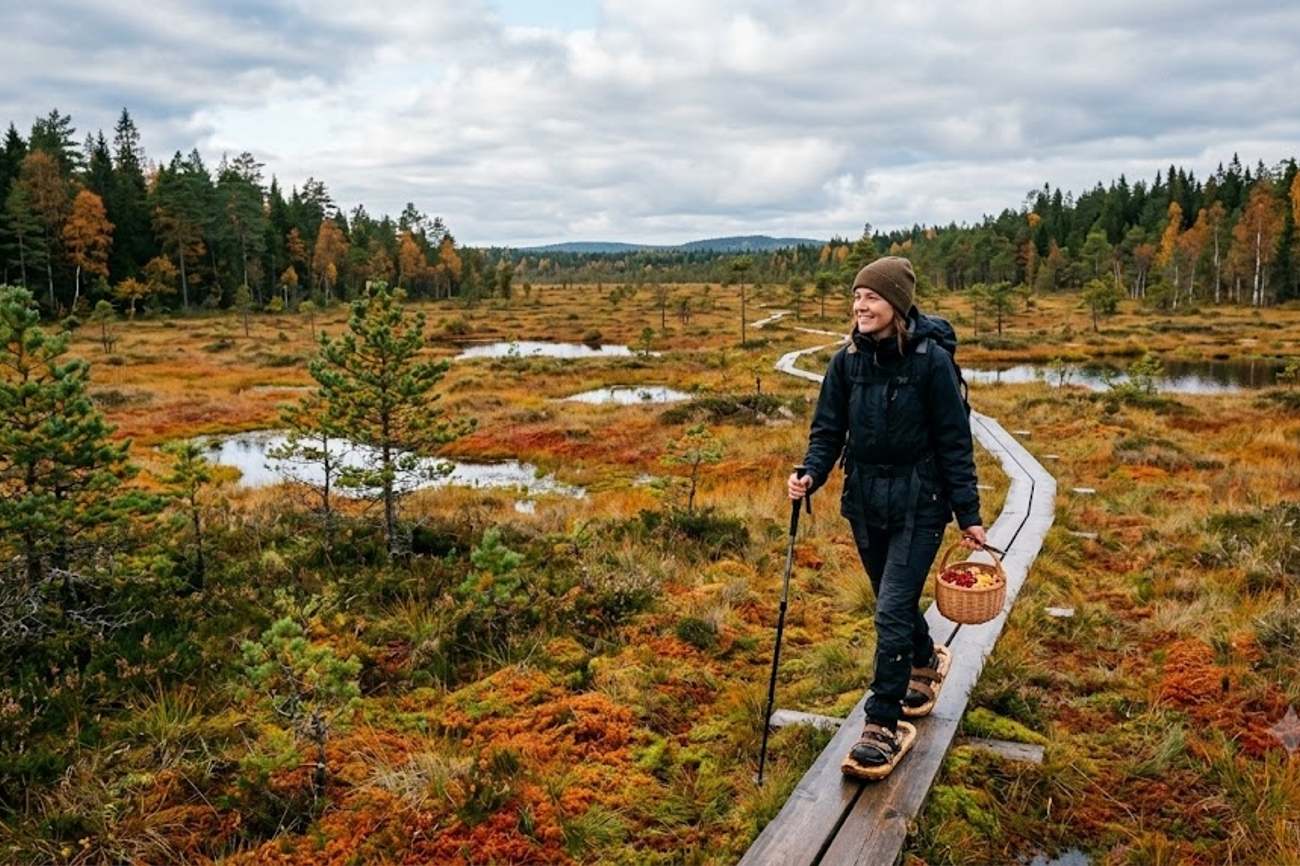
Image generated by AI
Estonia’s nature-based tourism sector has seen a steady climb, with 2025 recording 3.7 million tourists and 6.9 million accommodation nights—a 3.8% increase in visitor volume and a 2.3% rise in overnight stays compared to 2024. This upward trajectory indicates a shift in traveler behavior, moving away from concentrated urban hubs like Tallinn toward specialized, high-value ecological experiences in the rural interior.
The Wetland Economy in Numbers: Soomaa and Kõrvemaa
The expansion of "Big Tourism" into Estonia’s peatlands is not a random occurrence but a strategic diversification of the national tourism product. The focus for the late-summer and early-autumn 2026 calendar is centered on two primary hubs: Soomaa National Park in the southwest and the Kõrvemaa Nature Reserve in the north.
Soomaa is defined by its unique hydrological cycle, famously referred to as the "fifth season" due to its periodic flooding. The park's infrastructure is designed to manage high visitor volumes while protecting fragile ecosystems, utilizing a network of boardwalks that navigate four primary bogs: Kuresoo, Valgeraba, Öördi, and Kikepera. The integration of "bog shoes"—specialized footwear designed to distribute body weight across soft peat—has transformed a traditional utility into a commercial tourism product, allowing operators to move groups off established boardwalks and into open wetland terrain.
In the north, Kõrvemaa serves as a critical satellite destination for the capital. By offering a mosaic of forests, lakes, and sandy terrain, it captures the "day-trip" market from Tallinn while encouraging longer-stay itineraries through integrated cycling and canoeing routes. The data suggests that by diversifying the activities—combining night excursions, seasonal foraging, and specialized trekking—Estonia is increasing the "average length of stay" metric, a key KPI for the World Travel & Tourism Council.
Comparative Regional Benchmarks
When comparing Estonia's growth to broader European trends, the shift toward "slow travel" and ecological immersion mirrors a wider movement across the Baltics and Scandinavia. While traditional city-break tourism often peaks in mid-summer, the promotion of autumn foraging (specifically for cranberries and wild mushrooms) and bog-shoeing is a calculated effort to flatten the seasonality curve and extend the peak tourism window into September and October.
The following table illustrates the growth metrics provided by Statistics Estonia, highlighting the year-over-year expansion of the sector leading into the 2026 season.
| Metric | 2024 Figures | 2025 Figures | Year-over-Year Change |
|---|---|---|---|
| Total Tourists | ~3.57 Million | 3.7 Million | +3.8% |
| Total Accommodation Nights | ~6.75 Million | 6.9 Million | +2.3% |
| Foreign Accommodation Nights | Not Specified | 3.7 Million | N/A |
| Primary Autumn Focus | Urban/General | Peatlands/Foraging | Strategic Pivot |
This data reveals that while the total number of visitors is growing, the growth in accommodation nights (2.3%) is slightly lagging behind the growth in visitor numbers (3.8%). This suggests a rise in short-term or day-trip visitors, which explains why the development of Kõrvemaa—accessible from Tallinn—is a priority for the 2026 strategy. To increase the overnight stay ratio, the industry is now bundling nature treks with traditional Estonian sauna experiences and rural lodging.
What This Means for Travelers
For the individual traveler, the professionalization of bog-shoeing and foraging means that "wild" Estonia is becoming more accessible, but also more regulated. The transition from unstructured exploration to guided excursions is a response to the sensitivity of peatland ecosystems.
Booking and Logistics Advice:
- Timing the Forage: If you are targeting the cranberry and mushroom season, plan your visit for late August through September. However, because foraging is weather-dependent, flexibility is required.
- Gear Requirements: While bog shoes are provided by guides, the autumn terrain in Soomaa and Kõrvemaa is high-moisture. Waterproof, breathable layering is essential for the "fifth season" climate.
- Access Strategy: For those based in Tallinn, Kõrvemaa is the optimal choice for a 24-hour itinerary. For a deeper immersion, Soomaa requires private transport or organized transfers, making it a better fit for a 3-to-5 day regional circuit.
- Regulatory Compliance: Foraging is a cultural staple, but national park regulations are strict. To avoid fines or environmental damage, travelers should book certified local guides who can distinguish between edible and poisonous fungi—a risk that is significantly higher for non-locals.
Forward Projection: The Trajectory of Nature-Based Travel
Based on the 2025 growth data from Statistics Estonia, we can project that the 2026-2027 period will see a further decoupling of tourism from the capital. The "Big Tourism" expansion into Soomaa and Kõrvemaa is a blueprint for other regions. We expect to see a rise in "niche-ecological" packages—such as night-time bog photography or mycological tours—as a way to attract higher-spending, specialized demographics.
The reliance on guided access will likely increase. As visitor numbers climb toward the 4 million mark, the pressure on mosses and slow-growing vegetation in the bogs will necessitate a move toward "permit-based" entry or mandatory guide accompaniment for off-boardwalk treks. This shift will transform the nature experience from a free-roaming activity into a structured service economy.
Furthermore, the integration of these rural experiences with the broader IATA flight connectivity into Tallinn will likely result in more "fly-and-drive" packages, where rental car agencies partner with national park operators to funnel tourists directly from the airport to the wetlands.
FAQ: Estonia Nature Tourism 2026
Will prices for guided bog treks increase in 2026? Likely yes. As demand for specialized equipment like bog shoes grows and environmental regulations tighten, the cost of certified guides is expected to rise to reflect the increased management of these sensitive sites.
Is it safe to forage for mushrooms without a guide? No. The source emphasizes that poisonous species can closely resemble edible ones. Due to the high risk of toxicity, utilizing a local expert is the only recommended method for foraging in Soomaa and Kõrvemaa.
Which is better for a short trip: Soomaa or Kõrvemaa? Kõrvemaa is superior for short-duration trips due to its proximity to Tallinn. Soomaa offers a more distinct "wetland" experience but requires more travel time and a longer commitment to fully explore its four main bogs.
When is the best time to visit for autumn colors? Late August to September is the prime window. This period aligns with the ripening of cranberries and the emergence of forest mushrooms, coinciding with the seasonal foliage shift in the northern reserves.
As the data proves, the future of Baltic travel is not in the city squares, but in the depths of the peat.
#EstoniaTourismGrowth2025 #SoomaaWetlandMetrics #KõrvemaaNatureReserve #BalticEcoTourismTrends #BogShoeingMarket #AutumnForagingData
Related Travel Guides
- China’s Shanwei Tourism Boom Accelerates As Guangdong’s 467km Coastline Becomes A New Seaside Leisure Escape
- Spain’s Cala Benirràs Becomes A Must-Visit Travel Marvel With Warm Autumn Weather And Ibiza’s Most Beautiful Coastal Views
- Jackson Hole’s Elite Teton Pines Estate Goes Under Hammer With Stunning Grand Teton Views and Luxury Appeal
Disclaimer
This article is for informational and educational purposes only. It does not constitute legal, financial, or professional advice. While we strive to provide accurate and up-to-date information, travel policies, regulations, and conditions change rapidly. Always verify information with official sources before making travel decisions. Nomad Lawyer makes no representations about the accuracy, reliability, completeness, or suitability of the information provided. Readers should consult qualified professionals for advice specific to their circumstances. The views expressed in this article are those of the author and do not necessarily reflect the views of Nomad Lawyer.
Preeti Gunjan
Contributor & Community Manager
A passionate traveller and community builder. Preeti helps grow the Nomad Lawyer community, fostering engagement and bringing the reader experience to life.
Learn more about our team →