
El Hierro Emerges as Spain's Premier Sustainable Volcanic Destination in 2026
The remote Canary Island of El Hierro is redefining Spanish tourism through a combination of UNESCO-protected volcanic landscapes and pioneering renewable energy projects.

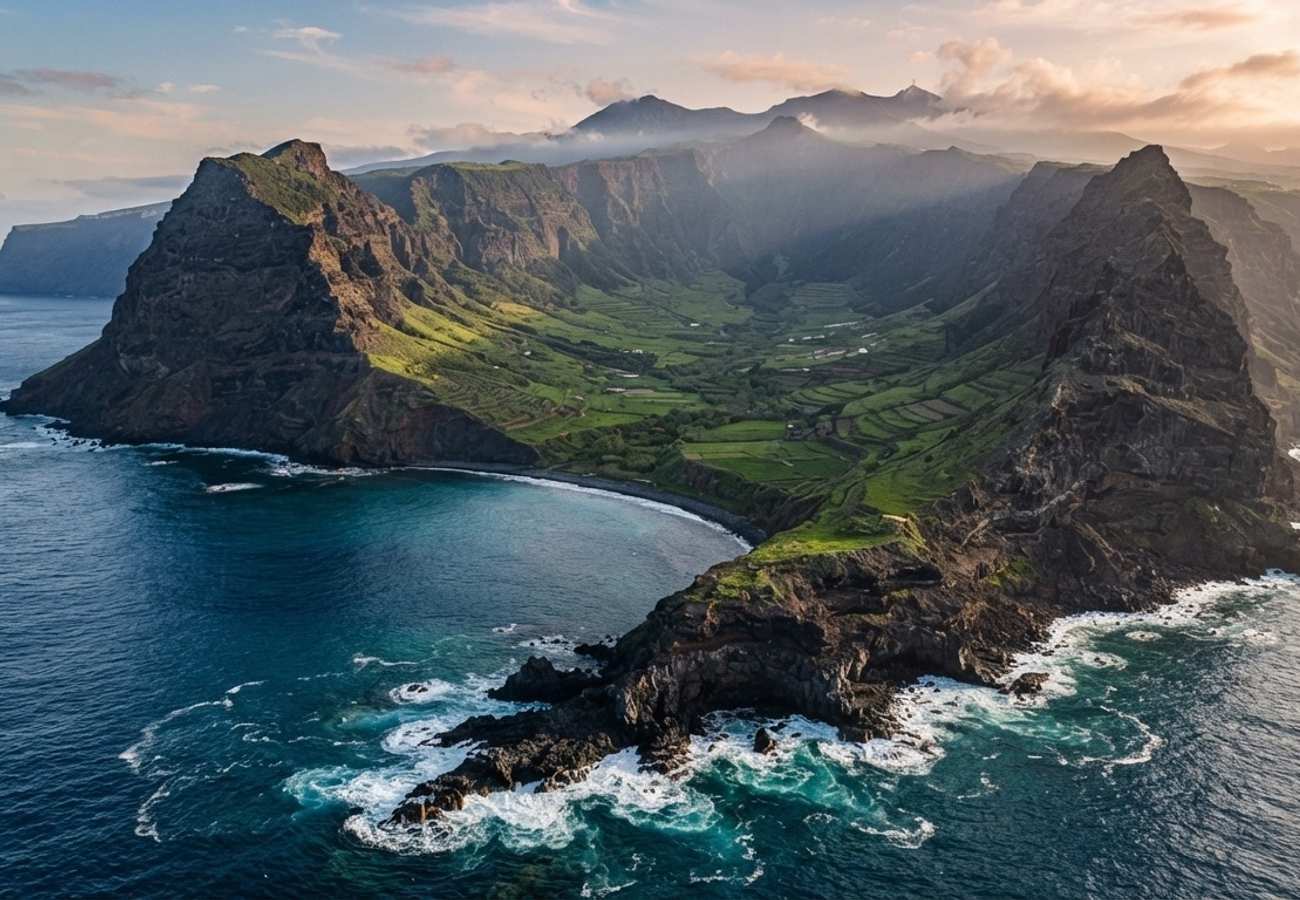
Image generated by AI
Far from the crowded resorts of Tenerife and Gran Canaria, the remote outpost of El Hierro is attracting a new wave of travelers seeking silence, sustainability, and raw volcanic power in 2026.
While the majority of the Canary Islands focus on high-volume tourism and expansive beach complexes, El Hierro has carved a distinct identity as a sanctuary for the adventurous. This smallest and westernmost island of the archipelago is currently transitioning from a hidden secret to a global model for low-impact, high-value tourism, blending ancient geological wonders with cutting-edge green technology.
A Sustainable Alternative to Mass Tourism in the Canary Islands
El Hierro is strategically positioned southwest of Tenerife in the Atlantic Ocean, serving as a stark contrast to the millions of visitors who flood the more developed islands each year. Rather than competing with the nightlife and commercial hubs of Lanzarote or Gran Canaria, El Hierro prioritizes a slower pace of development.
The island's infrastructure reflects this philosophy. Visitors will find a landscape dominated by rural accommodations, small-scale local eateries, and quiet villages instead of towering hotel chains. This commitment to preservation has earned the island a designation as a UNESCO Biosphere Reserve, protecting a delicate balance of volcanic ecosystems and traditional rural communities.
For the modern traveler, this means an experience centered on environmental connection rather than consumerism. The absence of crowded promenades allows for a more authentic engagement with the Atlantic environment, making it a primary choice for those escaping the "over-tourism" trends currently affecting other parts of Spain.
The Geographic Legacy of Punta de Orchilla
Beyond its natural beauty, El Hierro holds a significant place in the history of global navigation. For centuries, the island was central to European cartography due to the Ferro Meridian.
At the westernmost tip of the island, Punta de Orchilla served as the primary reference line for longitude calculations long before the Greenwich Meridian became the international standard. Today, a monument at this site commemorates the era when El Hierro was perceived as the western edge of the known world. This historical layer adds a dimension of intellectual discovery to the physical adventure of visiting the island, linking ancient maritime exploration with contemporary travel.
Exploring Volcanic Pools and Ancient Juniper Forests
The island's geography is defined by dramatic contrasts, from stark black lava fields to lush, mist-covered highlands. Because the terrain is rugged and the roads are winding, the island naturally encourages a slower itinerary.
Coastal exploration is centered around the island's unique volcanic seawater pools. La Maceta, located near Frontera, allows swimmers to bathe in the Atlantic within basins carved from volcanic rock. For those seeking further seclusion, Charco Azul in the northwest provides a more private experience, accessible only via a short trek.
The interior of the island offers a different ecological surprise. The forests surrounding La Dehesa are home to ancient juniper trees, which have been sculpted over centuries by the relentless Atlantic winds. High-altitude viewpoints, such as the Mirador de la Peña, provide panoramic vistas of the El Golfo valley, revealing the immense scale of the volcanic eruptions that formed the island.
Marine Biodiversity and Adventure in La Restinga
The southern region of the island, specifically the village of La Restinga, has evolved into a premier global hub for underwater exploration. The Mar de las Calmas marine reserve is renowned for its exceptional visibility and rich biodiversity.
Unlike typical tropical diving sites, the underwater landscape here is composed of dramatic lava formations. Divers frequently encounter a wide array of species, including:
- Large groupers and tuna
- Diverse reef fish
- Rays and sea turtles
For those preferring the air to the ocean, the cliffs and ridges around El Golfo provide world-class conditions for paragliding. Additionally, the island preserves its cultural heritage through lucha canaria, a traditional form of wrestling that emphasizes balance and technique, offering visitors a glimpse into the authentic social fabric of the Canary Islands.
Pioneering Green Energy via Gorona del Viento
El Hierro is not only a destination for nature lovers but also a living laboratory for renewable energy. The island is home to the Gorona del Viento project, one of Europe's most ambitious hydro-wind power systems.
This facility utilizes a pumped-storage mechanism: wind turbines generate electricity, and any excess energy is used to pump water from the ocean into a high-altitude reservoir. When wind speeds drop, the stored water is released through turbines to maintain a steady power supply. This closed-loop system is specifically engineered for the isolation of an island environment.
The impact of this technology is measurable. In 2025, the Gorona del Viento project accounted for 43.6% of El Hierro’s total annual electricity generation. While transportation and other fuel needs still rely on external sources, the island has periodically achieved 100% renewable electricity production, positioning it as a leader in Spain's transition to a carbon-neutral future.
Logistical Planning for Remote Island Access
Reaching El Hierro requires more intentional planning than visiting the larger islands, a factor that effectively shields the destination from mass tourism.
Most travelers utilize Tenerife North Airport as their primary gateway, from where domestic flights operate to El Hierro Airport near Valverde. Alternatively, ferry services connect Tenerife to Puerto de La Estaca. However, because the Atlantic climate can be volatile, travelers are advised to remain flexible, as strong winds or rough seas can frequently disrupt flight and ferry schedules.
For the traveler, this logistical hurdle is a filter that ensures the island remains a sanctuary for those who value authenticity over convenience.
El Hierro stands as a testament to the possibility of a tourism model where the environment dictates the experience, rather than the other way around.
Related Travel Guides
Disclaimer
This article is for informational and educational purposes only. It does not constitute legal, financial, or professional advice. While we strive to provide accurate and up-to-date information, travel policies, regulations, and conditions change rapidly. Always verify information with official sources before making travel decisions. Nomad Lawyer makes no representations about the accuracy, reliability, completeness, or suitability of the information provided. Readers should consult qualified professionals for advice specific to their circumstances. The views expressed in this article are those of the author and do not necessarily reflect the views of Nomad Lawyer.
Raushan Kumar
Founder & Lead Developer
Full-stack developer with 11+ years of experience and a passionate traveller. Raushan built Nomad Lawyer from the ground up with a vision to create the best travel and law experience on the web.
Learn more about our team →