The Cairo-Gulf Travel Corridor: How Egypt and the UAE Are Redefining Dual-Destination Journeys in 2026

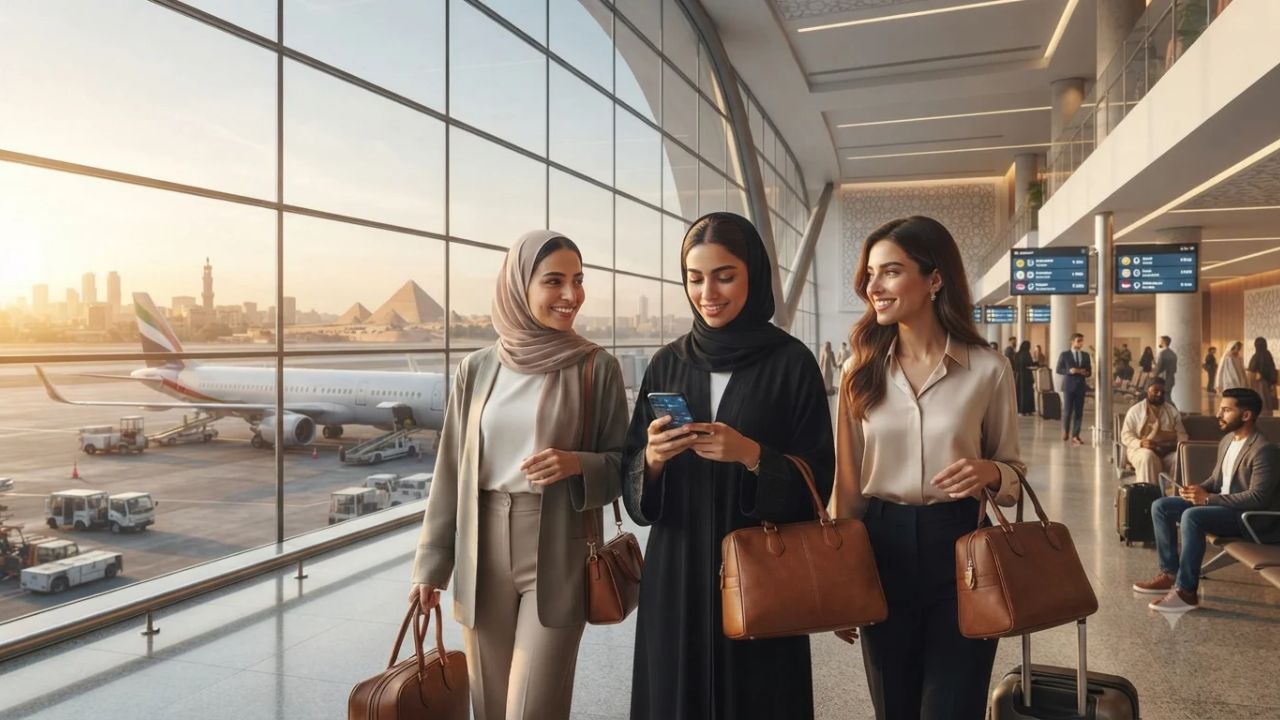
In 2026, international flight bookings connecting Cairo and Gulf aviation hubs reached record volumes, driven by an expanding strategic partnership that allows travelers to seamlessly combine the world's oldest monument complexes with futuristic desert metropolises on a single itinerary. By integrating United Arab Emirates capital investments and digital aviation networks with Egypt's premier cultural and coastal assets—spanning the Giza Plateau, the Mediterranean beaches of Al Alamein, and the coral reefs of the Red Sea—the two nations are creating a unified regional tourism bridge across North Africa and the Arabian Peninsula.
Rather than competing for international visitor quotas, Cairo and Abu Dhabi are aligning their strengths. The UAE contributes world-spanning aviation hubs, luxury resort management, and smart border technologies, while Egypt offers unmatched antiquities, Nile river cruising, and sun-drenched marine sanctuaries. This strategic synergy is transforming multi-destination travel for long-haul visitors coming from the Americas, Europe, and Asia.
Expanding the Nile-to-Gulf Tourism Map
The bilateral initiative goes far beyond standard interline air agreements. UAE sovereign investments and private hospitality groups are funding modern resort infrastructure along Egypt's northern Mediterranean coast at Al Alamein and across the South Sinai peninsula. Concurrently, carriers like Emirates and flydubai are increasing frequencies and connecting Egypt directly to global flight routes following strong summer demand and climbing winter advance bookings.
The collaboration connects two distinct sets of regional highlights into synchronized vacation circuits:
| Destination Hub | Core Travel Strengths | 2026 Strategic Focus |
|---|---|---|
| Cairo (Egypt) | Giza Pyramids, Grand Egyptian Museum, Islamic Cairo | Smart visitor processing, heritage conservation, MICE forums |
| Dubai & Abu Dhabi (UAE) | Futuristic architecture, luxury shopping, global transit | Seamless stopover packages, digital transit platforms |
| Hurghada & Sharm El Sheikh (Egypt) | Red Sea marine parks, coral reefs, desert safaris | Luxury hospitality upgrades, eco-diving certification |
| Al Alamein (Egypt) | Mediterranean coastline, luxury marinas | High-end coastal summer resorts, international festivals |
| Luxor & Aswan (Egypt) | Valley of the Kings, Karnak, Nile cruise routes | Modernized river cruisers, digital ticketing integration |
Travelers flying between Dubai or Abu Dhabi and Cairo can easily extend their stay to include domestic hopper flights toward Upper Egypt's open-air museums or the turquoise waters of the Red Sea coast.
What Makes the Dual-Country Experience Compelling
Experiencing Egypt and the Emirates together creates an extraordinary sensory contrast. In the morning, a traveler can walk through the sunlit atrium of the Grand Egyptian Museum or explore the medieval alleys of Khan el-Khalili in Cairo; three hours later, a short flight transports them to the air-conditioned sky decks of Dubai or the tranquil art galleries of the Louvre Abu Dhabi.
The partnership also accelerates the roll-out of intelligent tourism technologies. Travelers across both destinations are beginning to experience unified digital services, including streamlined visa-on-arrival processing, AI-powered itinerary planners, contactless payment systems, and direct luggage transfers between connecting international flights.
To explore certified heritage attractions, historical itineraries, and official entry protocols, visitors can consult the official Experience Egypt portal alongside the Visit Dubai tourism platform.
Visitor Insider Tips for a Seamless Multi-Destination Journey
Navigating a dual-destination vacation across Egypt and the UAE requires smart seasonal timing and itinerary management:
- Sequence Your Route by Season: Plan your trip during the pleasant winter window from November to March. Spend the warmest midday hours in the climate-controlled museums of Abu Dhabi or Dubai, and allocate early mornings to the open desert archaeological sites of Luxor and Giza.
- Utilize Free or Discounted Stopovers: When booking transcontinental flights on Emirates or Etihad Airways, take advantage of built-in UAE stopover programs. These packages often include complimentary hotel stays, discounted desert excursions, and seamless luggage transfers before your connecting flight to Cairo, Hurghada, or Alexandria.
- Secure E-Visas in Advance: While both Egypt and the UAE offer visa-on-arrival facilities for many nationalities, applying for an Egyptian e-visa online at least seven days prior to departure eliminates airport arrival queues at Cairo International Airport.
- Taste Regional Specialties Across Borders: Savor Egyptian street classics like slow-simmered ful mudammas, crispy herb taameya, and layered koshari in historic Cairo, before sampling Gulf-style saffron machboos rice and freshly baked luqaimat pastries drizzled with date syrup in Dubai's Al Fahidi Historical Neighborhood.
- Explore Protected Heritage Sites: In Egypt, visit the ancient necropolises inscribed on the UNESCO World Heritage list at Ancient Thebes and Memphis, ensuring you pre-purchase timed-entry passes to avoid peak midday tour groups.
Cultural and Environmental Context of the Nile and Gulf
The rapid expansion of tourism along Egypt's Red Sea coast and Mediterranean shoreline brings significant environmental responsibilities. The fragile coral reefs of Ras Mohammed National Park near Sharm El Sheikh and Giftun Island off Hurghada face pressures from marine tourism and warming waters.
Under the new bilateral framework, Egyptian environmental agencies and UAE sustainability foundations are collaborating on marine conservation guidelines. Initiatives include installing permanent mooring buoys to prevent anchor damage to delicate reef structures, enforcing single-use plastic bans on tourist dive boats, and promoting solar-powered boutique accommodations in desert oases like Siwa and Fayoum.
For local communities in Upper Egypt and the Sinai Peninsula, sustainable tourism growth provides essential livelihoods for Nubian boatmen, Bedouin desert guides, and artisanal craftspeople. By encouraging travelers to venture beyond standard resort complexes into community-run cultural villages, the joint initiative helps preserve indigenous traditions alongside ancient monuments.
FAQ: Visiting Egypt and the UAE 2026
Can I easily combine Egypt and the UAE on one holiday? Yes. Daily nonstop flights connect Cairo, Alexandria, and Red Sea resort airports with Dubai, Abu Dhabi, and Sharjah in under four hours, making two-country vacations simple.
What is the best time of year for this combined trip? November through April offers ideal temperatures for exploring Egyptian archaeological sites and enjoying outdoor activities in the Emirates without extreme summer desert heat.
Do I need separate visas for Egypt and the UAE? Yes. Egypt and the UAE have distinct immigration requirements. Most travelers can obtain an Egyptian e-visa online and enter the UAE with a visa on arrival or entry permit.
How many days are recommended for a dual-destination itinerary? Plan at least 10 to 14 days: 3 to 4 days in Dubai or Abu Dhabi, 3 days in Cairo, and 4 to 6 days for Luxor, Aswan, or a Red Sea beach retreat.
Bridging thousands of years of human history with the boldest architecture of the modern era, this Middle Eastern corridor offers the ultimate travel journey across time.
Related Travel Guides
This article is for informational purposes. Flight routes, passenger regulations, visa rules, and transit advisories are subject to change by airlines and aviation authorities. Readers are advised to verify schedules and travel documentation with relevant carriers and border agencies before departure.
Related Stories

Ayodhya Deepotsav 2026 Logistics Guide: Attending the 30 Lakh Lamp Festival in India

WTM London 2026: AI Booking Shifts and Global Tourism Growth Forecasts for 1.57 Billion Arrivals