
Colorado State Hiking: This Underrated Park Rivals National Parks
Colorado's hidden state park gem delivers world-class mountain views without the national park crowds. Discover why 2026 is the year to explore this underrated hiking destination.

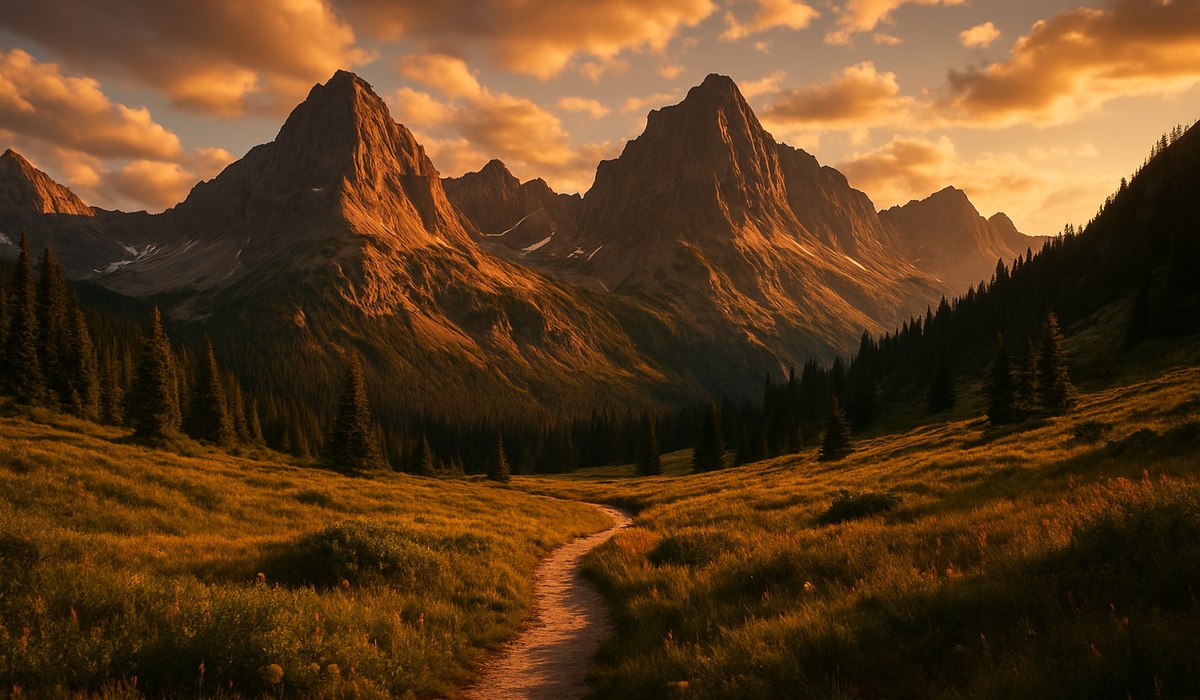
Image generated by AI
Colorado State Hiking Gem Offers Escape From Crowded National Parks
Colorado's mountain landscapes attract millions annually, but savvy travelers are discovering a remarkable underrated state park that delivers exceptional alpine vistas with a fraction of the visitor congestion. While Rocky Mountain National Park and other flagship destinations struggle with overcrowding, this hidden treasure provides solitude, challenging trails, and panoramic views that rival Colorado's most famous peaks. The 2026 hiking season marks an ideal time to explore this gem before word spreads further among the nomadic community and adventure seekers seeking authentic Colorado state hiking experiences.
Why This State Park Deserves Your Attention
This underrated destination showcases Colorado's dramatic terrain without the permit battles and parking gridlocks that plague national parks. The park encompasses diverse ecosystems ranging from alpine meadows to dense evergreen forests, with summit views stretching across multiple mountain ranges on clear days.
The solitude factor alone distinguishes this park from its overcrowded counterparts. Visitors frequently encounter more wildlife than people on trails, creating authentic wilderness experiences that Colorado state hiking enthusiasts crave. The park's compact size makes it accessible for day trips while rewarding multi-day backpacking adventures.
Infrastructure remains well-maintained without feeling overdeveloped. Facilities include visitor centers, maintained trailheads, and seasonal amenities that balance accessibility with environmental preservation. For travelers seeking Colorado state hiking without the stress of reservation systems and entrance line waits, this park represents an exceptional alternative.
Check the official Colorado Parks and Wildlife website for current conditions and trail updates before planning your visit.
Best Trails for Mountain Views
The park features multiple routes catering to different fitness levels and time constraints. Summit trails offer the most dramatic Colorado state hiking experiences, with exposed ridgelines providing 360-degree vistas extending into neighboring states on exceptional visibility days.
Intermediate routes traverse subalpine terrain, passing alpine lakes and wildflower meadows that create stunning photography opportunities throughout summer months. These trails typically require 4-6 hours of hiking and reward effort with cascading views and manageable elevation gain.
Beginner-friendly options loop through forest sections and lower elevation zones, still delivering impressive mountain backdrops without technical challenges. Many visitors combine multiple shorter trails to customize their Colorado state hiking experience based on available time and conditioning.
Early season trails may feature lingering snow and creek crossings, while late-season routes showcase wildflower displays and stable conditions. Browse trail reviews and conditions on TripAdvisor's hiking section to match routes with your experience level and current park conditions.
Best Time to Visit
Summer months (June through September) provide optimal conditions for Colorado state hiking in this underrated park. July and August offer warmest weather and longest daylight hours, though afternoon thunderstorms remain common at high elevations.
June presents excellent opportunities with fewer crowds than mid-summer, though snowmelt swells creeks and some high-elevation routes may remain impassable. September delivers mild temperatures, crisp air, and initial aspen color changes without the summer visitor surge.
Spring (May-early June) transitions from winter conditions to summer accessibility. Snow lingers on northern exposures and high passes, requiring appropriate gear and experience. Wildflower blooms begin emerging mid-May, creating botanical diversity alongside mountain scenery.
Fall (October-November) brings cooling temperatures and golden aspen groves contrasting dramatically against evergreen slopes. Early snowfall may force closures of highest elevation routes, making research essential before autumn trips. Winter access depends on annual snowfall and park management decisions regarding road maintenance.
How to Get There
Access roads from major Colorado population centers take 3-5 hours depending on your starting point. The park sits within reasonable driving distance from Denver, Boulder, and Fort Collins, making it accessible for weekend Colorado state hiking getaways.
Primary access routes utilize well-maintained highways with clear signage directing visitors to multiple trailhead parking areas. Standard vehicles handle most access roads, though high-clearance vehicles prove beneficial during late spring and early winter months when snow patches persist.
Regional airports in Denver and nearby mountain towns provide flying options for non-local travelers. Car rental services operate at major airports, offering flexibility for exploring multiple Colorado state hiking destinations during extended trips.
Public transportation options remain limited, making personal vehicle access the most practical approach. Consider visiting midweek to secure parking at popular trailheads and avoid weekend congestion at entry gates and facilities.
Nearby Amenities and Accommodations
Mountain towns surrounding the park provide lodging ranging from budget-friendly hostels to upscale mountain resorts. Local businesses cater to hiking communities with equipment rental, guided tour services, and expertise regarding current trail conditions.
Small-town restaurants and grocery stores support hikers preparing for Colorado state hiking adventures. Pack supplies before entering remote park areas, as services within park boundaries remain limited. Camping facilities operate seasonally with varying amenities from developed campgrounds to primitive backcountry options.
Emergency services and ranger stations stationed throughout the park provide assistance during unexpected situations. Visitor centers distribute maps, wildlife information, and safety recommendations for Colorado state hiking in diverse seasonal conditions.
Comparison Table: Park Features and Visitor Information
| Feature | Details |
|---|---|
| Elevation Range | 7,500–12,000+ feet depending on trails |
| Best Season | June–September for optimal conditions |
| Peak Crowd Period | July–August weekends |
| Average Visitor Count | 40,000–60,000 annually (vs. national parks' millions) |
| Trailhead Options | 12+ maintained access points |
| Parking Availability | Generally accessible except peak weekends |
| Permit Requirements | None for day hikes; backcountry permits available |
| Wildlife Encounters | Elk, marmots, pikas, occasional black bears |
| Water Sources | Mountain streams and lakes throughout park |
| Cell Service | Limited; spotty at best in backcountry zones |
What This Means for Travelers
Colorado state hiking continues growing in popularity, yet this underrated park remains relatively undiscovered compared to flagship national destinations. Recognizing this opportunity allows adventure seekers to experience premium mountain scenery while contributing to sustainable tourism practices that protect fragile alpine ecosystems.
Consider these actionable steps for your visit:
-
Book accommodations early for summer weekends to secure lodging within reasonable driving distance of trailheads, ensuring convenient access to Colorado state hiking routes before morning traffic intensifies.
-
Research trail conditions weekly during your planned visit window, as mountain weather shifts rapidly and determines which Colorado state hiking routes remain safely accessible given current snowmelt levels and creek flooding risks.
-
Arrive midweek whenever possible to maximize parking success and trail solitude, enhancing your overall Colorado state hiking experience through reduced crowds and increased probability of wildlife observations during peak activity hours.
-
Bring elevation-appropriate gear including layered clothing, sun protection, and emergency supplies regardless of forecast predictions, as mountain conditions change unpredictably and preparation prevents dangerous situations on Colorado state hiking adventures.
-
Support local conservation efforts through visitor center donations and responsible trail practices that protect this underrated destination for future generations of Colorado state hiking enthusiasts seeking authentic mountain experiences.
FAQ
What is the best Colorado state hiking route for first-time visitors? Most first-time visitors succeed with intermediate summit trails requiring 4-6 hours and moderate elevation gain. These routes deliver dramatic mountain views while remaining achievable for reasonably fit hikers. Start early to manage afternoon storms and allow photo opportunities at scenic overlooks.
Do I need special permits for Colorado state hiking in this park? Day hiking requires no permits. Backcountry camping and multi-day trips require permits obtainable at visitor centers or online. Contact Colorado Parks and Wildlife for current permit availability and seasonal restrictions affecting your planned Colorado state hiking dates.
What wildlife hazards should I know about before Colorado state hiking here? Black bears
Disclaimer
This article is for informational and educational purposes only. It does not constitute legal, financial, or professional advice. While we strive to provide accurate and up-to-date information, travel policies, regulations, and conditions change rapidly. Always verify information with official sources before making travel decisions. Nomad Lawyer makes no representations about the accuracy, reliability, completeness, or suitability of the information provided. Readers should consult qualified professionals for advice specific to their circumstances. The views expressed in this article are those of the author and do not necessarily reflect the views of Nomad Lawyer.
Raushan Kumar
Founder & Lead Developer
Full-stack developer with 11+ years of experience and a passionate traveller. Raushan built Nomad Lawyer from the ground up with a vision to create the best travel and law experience on the web.
Learn more about our team →