
Egypt’s High-Speed Rail Revolution: 2,250-Km Network Connects Red Sea to Mediterranean
Egypt builds a 2,250-km electrified high-speed rail network alongside 10,000 km of upgraded tracks, targeting 4 million daily passengers across heritage corridors.

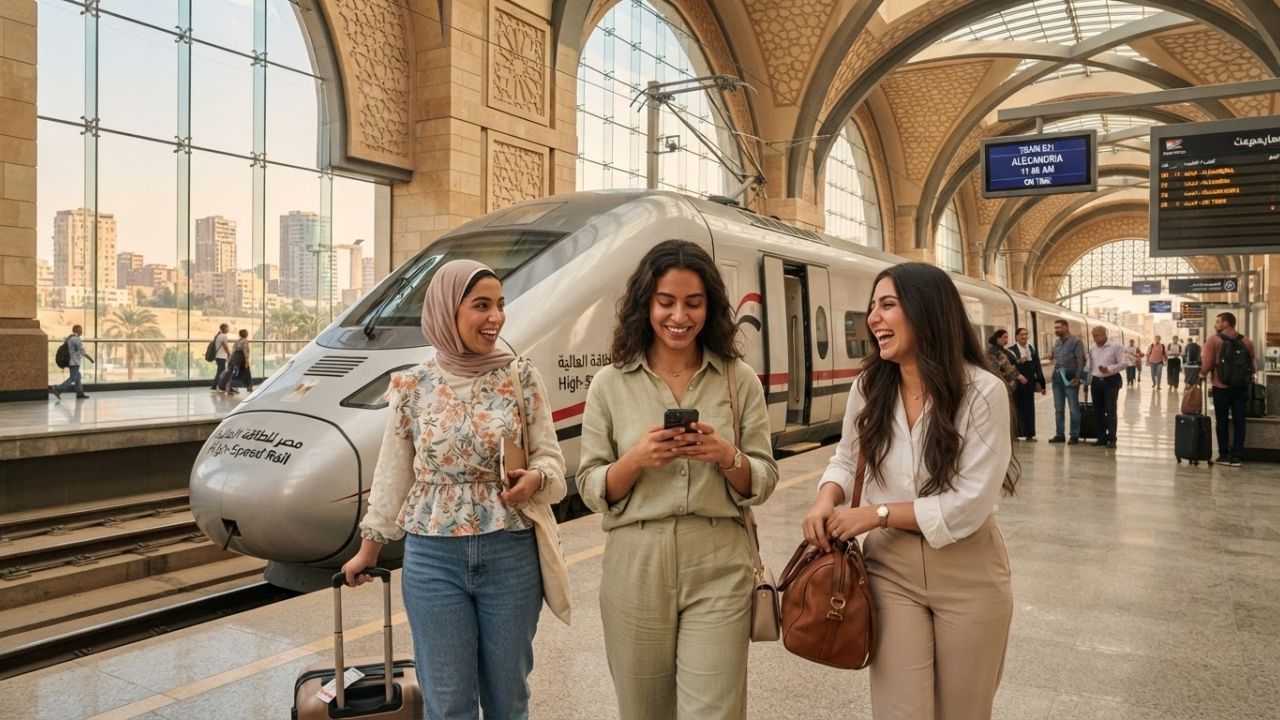
Image generated by AI
Connecting the Red Sea with the Mediterranean in under three hours, Egypt is constructing a 2,250-kilometer electrified high-speed rail network alongside comprehensive overhauls to 10,000 kilometers of legacy tracks, engineered to carry four million daily passengers by 2030.
The Local Trend: Transforming Egypt into a High-Speed Transit Hub
Egypt is executing the most sweeping transport modernization in the Arab world. By developing a 2,250-kilometer electrified high-speed railway network, the nation is replacing slow highway corridors and crowded domestic flights with energy-efficient bullet trains.
The initial rollout focuses on three flagship corridors covering nearly 2,000 kilometers of newly built double-track infrastructure. Simultaneously, Egyptian National Railways is overhauling its existing 10,000-kilometer conventional network with modern digital signalling, building 400 kilometers of industrial branch lines, and integrating Greater Cairo’s urban transport through new monorail lines and metro expansions. Advanced unmanned trials are now underway on the first high-speed line to validate signalling, electrical catenary performance, and automated train protection before commercial passenger boarding begins.
Egypt High-Speed Railway Corridors Overview
| Rail Corridor | Route & Key Terminals | Distance & Target Timeline | Tourism & Economic Connectivity |
|---|---|---|---|
| Line 1 (Green Line) | Ain Sokhna (Red Sea) – Cairo – Alexandria – Marsa Matrouh | ~660 km (Under advanced testing) | "Suez Canal on Rails"; links Mediterranean & Red Sea |
| Line 2 (Blue Line) | 6th of October City – Luxor – Aswan – Abu Simbel | ~1,100 km (Under construction) | Direct high-speed access to Upper Nile antiquities |
| Line 3 (Red Line) | Qena – Safaga – Hurghada | ~225 km (Under construction) | Connects Nile heritage sites directly to Red Sea resorts |
| Proposed Line 4 | Port Said – Damietta – Alexandria | ~250 km (Planning phase) | Unifies northern Mediterranean industrial ports |
Capacity Targets: 4 Million Daily Passengers by 2030
The multimodal rail master plan is engineered to transform mass mobility across Egypt’s agricultural Nile Valley and coastal zones:
- High-Speed Network Volume: The three electrified high-speed lines are projected to carry approximately 2.5 million passengers daily once fully operational, cutting transit times between Cairo and Alexandria to roughly one hour.
- Modernized Conventional Network: Comprehensive track renewal and computerized signalling across 10,000 kilometers will raise conventional railway capacity to 1.5 million daily travelers by 2030.
- Combined Mobility Target: Together, the dual systems will move around 4 million passengers per day, taking millions of private cars, buses, and diesel trucks off congested national desert highways.
Greater Cairo Urban Transit: Metro Line 4 and Monorail Integration
To ensure seamless transfers between intercity high-speed stations and metropolitan districts, Greater Cairo is completing two transformative urban transit projects:
- Cairo Metro Line 4 (Phase 1): Scheduled to begin operational testing in mid-2027, Line 4 is designed to transport between 1.0 million and 1.25 million commuters daily. The line directly serves the Grand Egyptian Museum (GEM) and the Giza Pyramids plateau.
- Greater Cairo Monorail (100.3 Kilometers): Comprises a 43.8-kilometer western section serving 6th of October City and a 56.5-kilometer eastern section linking central Cairo and Metro Line 3 with the New Administrative Capital.
Cultural and Eco-Tourism Value for Egypt
The high-speed rail network fundamentally redesigns the classic Egyptian tourist circuit:
- Decarbonizing Heritage Travel: Running on 100% electrified traction, the network eliminates thousands of diesel tour bus journeys between Cairo, Luxor, and Aswan, protecting fragile limestone monuments in the Valley of the Kings from vehicular exhaust pollution.
- Linking Cultural Antiquities with Beach Resorts: Line 3 allows holidaymakers staying at Red Sea dive resorts in Hurghada and Safaga to take a two-hour train ride to the temples of Dendera and Karnak in Qena and Luxor, returning for dinner on the coast on the same evening.
- Opening Remote Southern Monuments: Line 2 provides smooth, air-conditioned transit directly to the colossal rock temples of Ramses II at Abu Simbel near the Sudanese border, bypassing arduous desert road convoys.
Destination Specialist Local Insider Tips
Travelers planning an independent itinerary across Egypt can optimize their journey with these specialist strategies:
- Pair the Pyramids with Metro Line 4 Starting Mid-2027: Avoid notorious Giza traffic jams by boarding Metro Line 4 directly to the Grand Egyptian Museum station for rapid access to the Tutankhamun galleries.
- Take the High-Speed "Green Line" from Cairo to Alexandria: Experience the historic Mediterranean corniche, Bibliotheca Alexandrina, and fresh seafood restaurants in the Anfoushi district via a 60-minute bullet train ride from central Cairo.
- Combine Hurghada Diving with Luxor Valley of the Kings: When Line 3 opens, plan a day excursion from your Hurghada marine resort via high-speed rail to Luxor, bypassing lengthy four-hour desert highway bus rides.
- Sample Authentic Egyptian Street Food Near Cairo Ramses Station: Before boarding long-distance trains, visit local eateries in Downtown Cairo to savor a bowl of traditional koshary (layered lentils, rice, macaroni, spiced tomato sauce, and crispy fried onions).
- Verify Booking Classes for High-Speed Services: When reservations open, book First Class carriages featuring spacious 2-1 seating configurations, complimentary Wi-Fi, and panoramic windows framing the Sahara sand dunes.
Future Outlook
Egypt’s 2,250-kilometer high-speed railway and integrated urban monorail network mark a decisive leap into sustainable 21st-century infrastructure. By uniting the Mediterranean, the Nile Valley, and the Red Sea with quiet, clean electric speed, the country is establishing a modern mobility spine that will propel national commerce and international tourism for generations to come.
Related Travel Guides
Disclaimer
This article is for informational and educational purposes only. It does not constitute legal, financial, or professional advice. While we strive to provide accurate and up-to-date information, travel policies, regulations, and conditions change rapidly. Always verify information with official sources before making travel decisions. Nomad Lawyer makes no representations about the accuracy, reliability, completeness, or suitability of the information provided. Readers should consult qualified professionals for advice specific to their circumstances. The views expressed in this article are those of the author and do not necessarily reflect the views of Nomad Lawyer.
Raushan Kumar
Founder & Lead Developer
Full-stack developer with 11+ years of experience and a passionate traveller. Raushan built Nomad Lawyer from the ground up with a vision to create the best travel and law experience on the web.
Learn more about our team →