
Canada Expands Autumn Shoulder-Season Tourism: Cabot Trail Foliage, Celtic Colours, and Living Heritage Generate Year-Round Growth
Canada reshapes its visitor economy by leveraging autumn foliage and Indigenous living heritage, turning the September-October shoulder season into an economic powerhouse.

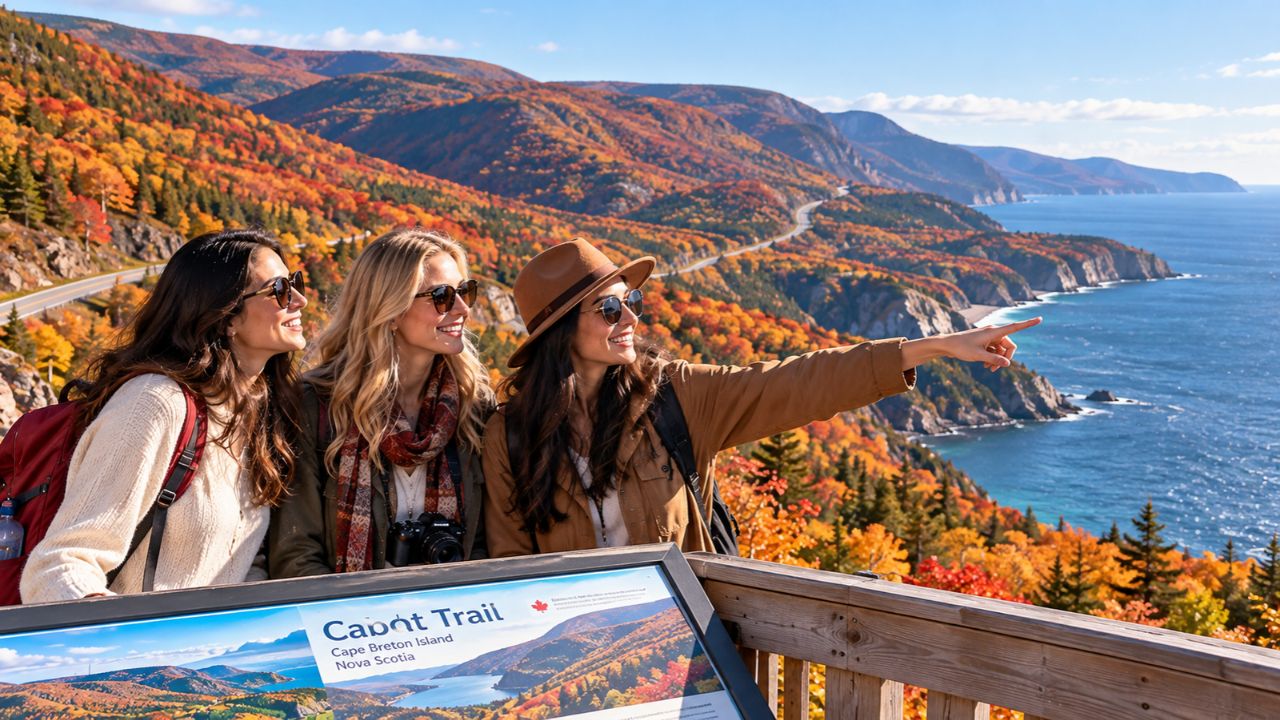
Destination marketing authorities across Canada are executing an aggressive national shoulder-season strategy that transforms the historic post-summer visitor decline into a resilient, high-yield economic window driven by peak autumn foliage, harvest agritourism, and Indigenous living cultural heritage. Anchored by iconic regional initiatives including Nova Scotia’s Celtic Colours International Festival—which pumps over $18 million into Cape Breton Island during mid-October alone—the federal and provincial campaign directly mitigates seasonal tourism volatility, preserving rural hospitality jobs and distributing international travel capital into coastal and highland communities through November.
[HALIFAX, Oct 18, 2026] — For decades, Canada’s regional tourism model adhered to an unsustainable boom-and-bust calendar: hyper-concentrated summer visitation from June through August, followed by precipitous revenue drops in September and October before mountain ski resorts opened in December. Coordinated operational data released by Destination Canada, Tourism Nova Scotia, and regional tourism associations confirms that targeted investments in autumn travel corridors are successfully leveling seasonal revenue curves.
By marketing milder autumn weather, uncrowded national park trail networks, and vivid forest transformations, tourism operators have positioned the September-to-November timeframe as the premier season for immersive road trips, cultural festivals, and culinary exploration across Atlantic Canada, Ontario, Quebec, and British Columbia.
Strategic Economic Diversification: Mitigating Post-Summer Hospitality Declines
The traditional drop in autumn visitor volume created severe structural vulnerabilities across Canada's regional service economies, resulting in annual mass layoffs, shuttered independent businesses, and underutilized municipal infrastructure. The national shoulder-season offensive addresses these challenges by transforming fall travel into an intentional, high-margin product.
Multi-channel digital campaigns deploy real-time foliage trackers, culinary harvest guides, and heritage road-trip itineraries to capture international travelers seeking experiential travel. This approach smooths cash flow cycles for independent bed-and-breakfasts, regional airline routes, car rental fleets, and local food producers, sustaining year-round employment in remote communities that previously relied solely on brief 60-day summer seasons.
Cape Breton Island: The National Blueprint for Autumn Destination Growth
Nowhere is the economic potential of shoulder-season travel more pronounced than in Cape Breton Island (Unama’ki), Nova Scotia. Accounting for more than $300 million in annual provincial GDP contribution, Cape Breton serves as the benchmark model for converting natural landscape changes into sustained local prosperity.
The island’s autumn tourism model coordinates three primary travel generators:
- The Cabot Trail Scenic Highway: Stretching 298 kilometers around the northern tip of the island, the highway loops through dramatic coastal cliffs, deep river valleys, and highland hardwood forests that reach peak crimson, gold, and amber foliage during the second and third weeks of October. Managed in coordination with Parks Canada across Cape Breton Highlands National Park, the route channels thousands of touring vehicles directly into community diners, heritage inns, and craft workshops.
- The Celtic Colours International Festival: Celebrating its 30th anniversary milestone, this renowned nine-day cultural celebration anchors the regional economy. Rather than concentrating performances in a central convention center, concerts are distributed across more than 50 rural venues—ranging from 19th-century wooden chapels and village halls to volunteer fire stations and Gaelic community schools. Over 250 community events, including community chowder suppers, square dances, and guided wilderness hikes, ensure visitor spending directly reaches localized family-run enterprises.
- The Festival Club at Gaelic College: Following main-stage evening performances, musicians, step-dancers, and attendees congregate at the Gaelic College (Colaisde na Gàidhlig) in St. Ann’s for unscripted late-night ceilidhs and fiddle jams that run into the morning hours, sustaining off-season accommodation occupancy across the central island.
Indigenous Living Heritage and Cross-Cultural Storytelling
A defining pillar of Canada’s modernized autumn strategy is the integration of authentic living heritage over static museum exhibitions. Tourism bodies are collaborating directly with First Nations organizations to elevate authentic Indigenous narratives as a cornerstone of economic reconciliation.
Across Cape Breton and Atlantic Canada, Mi’kmaw cultural tourism initiatives provide travelers with deep cultural immersion. Mi’kmaw culture bearers lead guided forest tours that explore ancestral ecological knowledge, traditional plant medicine, and oral storytelling, demonstrating how Indigenous stewardship sustained coastal ecosystems for thousands of years.
These experiences operate alongside living history monuments that illustrate the cultural origins of early settlement:
- Baile nan Gàidheal (Highland Village): Situated in Iona overlooking the Bras d'Or Lake, this 43-acre open-air living history museum preserves Gaelic language, traditional weaving, blacksmithing, and rural farmsteads, serving as North America's foremost Gaelic cultural institution.
- Fortress of Louisbourg National Historic Site: North America’s largest historical reconstruction transports visitors into 18th-century French colonial military, maritime, and domestic life through costumed historical interpreters, traditional bakeries, and military demonstrations.
Regional Diversity: From Okanagan Vineyards to Laurentian Forest Corridors
The shoulder-season strategy extends across every geographic region of Canada, offering distinct harvest and outdoor experiences:
| Geographic Region & Province | Primary Autumn Tourism Anchor | Core Operational & Economic Metrics |
|---|---|---|
| Cape Breton Island (Unama’ki), NS | Cabot Trail Highway & Celtic Colours International Festival | $300M+ annual tourism GDP; $18M+ local injection during mid-October festival |
| Okanagan Valley, BC | Vineyard harvests, wine touring & lakefront farm-to-table drives | Extends winery and boutique hotel occupancy through November via culinary tourism |
| Annapolis Valley, NS & Southern ON | Apple orchard harvests, heritage cider trails & pumpkin farms | Generates high-density weekend and mid-week family farm gate retail revenue |
| Muskoka & Algonquin Corridor, ON | Managed scenic driving routes, cranberry marsh harvests & guided paddle tours | Distributes park visitor capacity sustainably away from congested summer peaks |
| The Laurentians & Eastern Townships, QC | Alpine foliage trails, cider houses & Nordic wellness spas | Captures high-yield international road trips connecting Montreal to rural gateways |
In Ontario’s Muskoka and Algonquin districts, tourism authorities utilize active traffic management and reservation protocols to distribute "leaf-peeping" sightseers across less-traveled secondary highways. In Bala, Ontario, the annual cranberry harvest plunges draw thousands of visitors to family-run agricultural operations, providing immediate farm-gate retail sales. Similarly, British Columbia's Okanagan Valley leverages the grape harvest to keep resort hotels, winery tasting rooms, and regional dining rooms operating at peak efficiency well past the summer holidays.
Luxury Golf and Expedition Cruise Gateways
Canada's autumn tourism expansion is reinforced by high-value international investments that attract global travelers with elevated spending profiles.
In Western Cape Breton, the creation of Cabot Cape Breton—anchored by the globally recognized Cabot Links and Cabot Cliffs golf layouts—has transformed Inverness into a world-class luxury sporting hub. International golf travelers visit throughout September and October, booking premium coastal lodges, patronizing local seafood dining rooms, and hiring local caddies.
Simultaneously, the Port of Sydney, Nova Scotia, functions as a high-density autumn gateway for international expedition cruise liners. Vessels cruising the Atlantic coast adjust itineraries specifically to align with peak foliage timing. Disembarking cruise passengers support local artisans, motorcoach touring operators, and historic sites, providing immediate economic liquidity to regional coastal communities.
Logistical Guidance and Road-Trip Advice for Autumn Travelers
For travelers organizing autumn itineraries across Canada, the shoulder season demands targeted logistical preparation to maximize comfort and accessibility.
First, vehicle booking is the single most critical dependency for fall road trips. Rental car fleets at regional entry airports—including Halifax Stanfield (YHZ), Kelowna (YLW), and Ottawa (YOW)—experience tight availability during the mid-October holiday weekend. Travelers planning to drive the steep grades and coastal curves of the Cabot Trail should inspect tire treads and secure reservations at least eight weeks in advance.
Second, accommodation along the Cabot Trail during the Celtic Colours festival operates at complete capacity. With concerts scattered across small villages like Judique, Baddeck, Cheticamp, and Mabou, visitors should establish fixed base camps or map out point-to-point driving distances carefully, as rural mountain roads require reduced driving speeds after dark due to active wildlife crossings, including moose and deer.
Finally, travelers must pack for rapid microclimate fluctuations. In Atlantic Canada and the interior highlands of Ontario and Quebec, clear midday temperatures of 15°C can drop to freezing overnight. Layered windproof apparel, sturdy waterproof hiking footwear, and pre-purchased national park passes are mandatory for travelers exploring high-elevation walking trails.
Frequently Asked Questions: Canada Autumn Shoulder-Season Travel 2026
When does autumn foliage peak across Cape Breton and the Cabot Trail?
Foliage colors typically reach their peak brilliance between October 8 and October 20, aligning with the annual Celtic Colours International Festival, though exact timing depends on autumn temperatures.
How does the Celtic Colours International Festival distribute economic impact?
Rather than staging concerts in one city, Celtic Colours hosts performances and community suppers across more than 50 rural venues, including historic chapels, parish halls, and fire stations across Cape Breton Island, spreading visitor spending directly into local villages.
Do national parks in Canada remain open throughout the autumn season?
Yes. Major national parks including Cape Breton Highlands, Algonquin, and Banff remain open in the fall, offering hiking trails and scenic lookouts with fewer crowds, although some secondary campgrounds and seasonal visitor centers scale back operations in late October.
Are reservations essential for autumn road trips in Atlantic Canada?
Yes. Accommodation and rental vehicles across Cape Breton and surrounding coastal routes sell out weeks in advance for peak mid-October foliage weekends, making advance bookings necessary for hotels, B&Bs, and car rentals.
By transforming fleeting autumn foliage and living Indigenous heritage into sustainable travel corridors, Canada proves that destination resilience thrives when communities celebrate the full depth of their seasonal landscapes.
Related Travel Guides
- Canada Christmas Markets 2026 Schedule: Over 325 Vendors Anchor Coast-to-Coast Winter Travel Circuit
- Canada’s Arctic Tourism Doctrine: Linking Polar Sovereignty, Dual-Use Infrastructure, and Indigenous Governance
- Poland Overhauls Tourist Tax Framework: Legislation Paves Way for Overnight Fees in Kraków by January 2027
Disclaimer
This article is for informational and educational purposes only. It does not constitute legal, financial, or professional advice. While we strive to provide accurate and up-to-date information, travel policies, regulations, and conditions change rapidly. Always verify information with official sources before making travel decisions. Nomad Lawyer makes no representations about the accuracy, reliability, completeness, or suitability of the information provided. Readers should consult qualified professionals for advice specific to their circumstances. The views expressed in this article are those of the author and do not necessarily reflect the views of Nomad Lawyer.
Preeti Gunjan
Contributor & Community Manager
A passionate traveller and community builder. Preeti helps grow the Nomad Lawyer community, fostering engagement and bringing the reader experience to life.
Learn more about our team →