
Morocco Tourism Breaks Records with 9.4 Million Visitors and 53.8B Dirhams in H1 2026
Morocco welcomes nearly 9.4 million visitors in H1 2026, generating 53.8 billion dirhams as overnight stays surge in Marrakech, Agadir, and Dakhla.

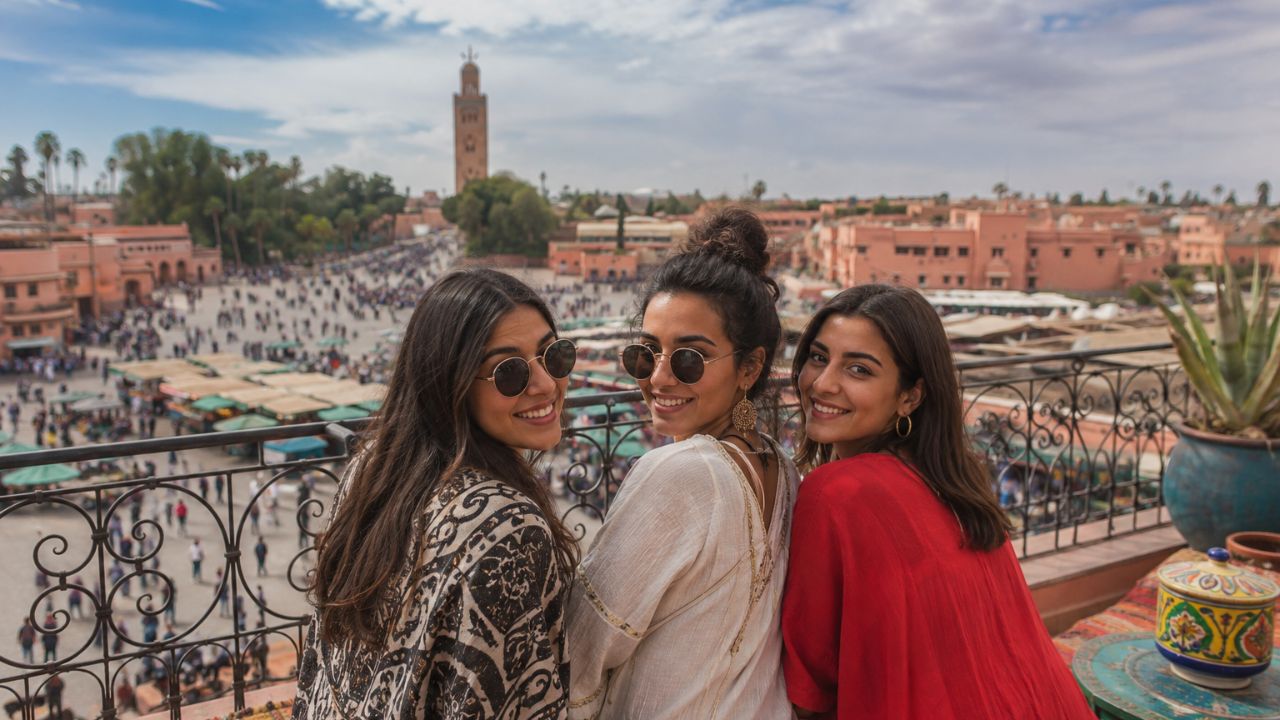
Image generated by AI
Generating over 53.8 billion dirhams in tourism revenues through May and welcoming nearly 9.4 million international and diaspora travelers in the first six months of 2026, Morocco is experiencing an unprecedented travel boom powered by soaring overnight stays across Marrakech, Agadir, and Dakhla.
The Local Trend: Broad-Based Growth Beyond Traditional Hotspots
The Kingdom of Morocco has cemented its position as Africa’s premier travel destination, entering the second half of 2026 with historic gains across tourist volume, hotel occupancy, and foreign exchange receipts. According to official data released by the Directorate of Financial Studies and Forecasts (DEPF), Morocco recorded nearly 9.4 million visitor arrivals between January and June 2026—a 6% increase compared to the same period in 2025.
This momentum is fueled by a dual demographic: surging European and long-haul international vacationers alongside millions of Moroccans living abroad (MRE) returning for family and cultural visits. More significantly, Morocco's national tourism roadmap is successfully dispersing visitor traffic away from traditional urban centers into coastal and desert eco-destinations such as Dakhla, Tangier, Fez, and Meknes.
Morocco Tourism Performance Indicators: H1 2026
| Economic & Tourism Metric | Verified H1 2026 Performance | Comparison with 2025 | Strategic Driver |
|---|---|---|---|
| Total Visitor Border Crossings | Nearly 9.4 Million Arrivals (Jan–Jun) | +6.0% Year-on-Year Growth | Expanded European low-cost & long-haul flights |
| National Travel Receipts | 53.8 Billion Moroccan Dirhams (May YTD) | +14.6% Revenue Expansion | Higher daily visitor spend & luxury stays |
| Q1 Classified Overnight Stays | Registered hotels & riads | +23.5% Surge | Strong winter sun & cultural tourism demand |
| Q2 Classified Overnight Stays | Registered hotels & riads | +21.2% Growth | Spring holiday travel & regional festivals |
| Leading Regional Growth Poles | Marrakech, Agadir, Dakhla, Tangier | Outperforming pre-2025 averages | Direct air routes & marine/desert adventures |
Premium Yield Expansion: Revenues Outpace Arrival Numbers
A vital milestone in Morocco’s 2026 performance is that tourism receipts are expanding at more than double the rate of physical arrivals:
- 53.8 Billion Dirhams in Travel Receipts: By the end of May 2026, international tourism receipts reached 53.8 billion dirhams (MAD), marking a 14.6% increase over the previous year. This widening gap demonstrates higher spending per traveler, driven by investments in boutique heritage riads, upscale desert glamping, and fine culinary tourism.
- Overnight Stays Surge by Over 20%: Classified accommodations recorded a 23.5% surge in overnight stays in the first quarter, followed by a 21.2% increase in the second quarter, proving that international visitors are taking longer holidays and combining multiple Moroccan provinces into single itineraries.
The Regional Expansion: Beyond Marrakech and Agadir
While Marrakech remains the cultural capital and Agadir the prime Atlantic beach haven, secondary destinations are capturing an increasing share of national visitor traffic:
- Dakhla's Coastal Lagoon Revolution: Situated where the Sahara Desert meets the Atlantic Ocean, Dakhla has emerged as a premier global hub for eco-certified kitesurfing, marine conservation, and luxury desert wellness retreats.
- Northern Coastal Corridors in Tangier: Enhanced high-speed rail links (Al Boraq) connecting Tangier to Casablanca and Rabat have accelerated weekend coastal breaks and Mediterranean cultural tourism.
- Imperial Heritage in Fez and Meknes: Preservation initiatives across ancient medinas are drawing cultural travelers seeking UNESCO-listed artisanal crafts, historic madrasas, and traditional olive oil gastronomy.
Cultural and Eco-Tourism Value for Morocco
Morocco’s national strategy prioritizes community empowerment and environmental stewardship alongside capacity growth:
- Revitalizing Medina Craft Cooperatives: Dispersing tourism into Fez and Marrakech directly benefits generational master artisans—from brass engravers and leather tanners to zellige tile craftsmen—supporting traditional craft guild economies.
- Sustainable Desert and Marine Protection: In Dakhla and the Sahara dunes of Merzouga, eco-lodges operate on off-grid solar arrays and zero-waste water recycling systems, preserving sensitive desert aquifers and flamingo habitats in coastal lagoons.
- Promoting Amazigh Rural Agro-Tourism: In the High Atlas valleys and Souss-Massa plains surrounding Agadir, community-run cooperatives produce certified organic argan oil, saffron, and mountain honey, directly sustaining rural Berber families.
Destination Specialist Local Insider Tips
Travelers planning an authentic Moroccan journey in 2026 can maximize their experience with these expert recommendations:
- Visit Marrakech Palaces During the Noon Prayer Window: Tour architectural landmarks like Bahia Palace and Medersa Ben Youssef between 12:30 and 14:00 on weekdays when tour groups disperse for lunch, allowing unobstructed photography of intricate plasterwork and cedar carvings.
- Explore Dakhla’s White Dune by Wind-Powered Kitesurf: In Dakhla, book excursions to the famous Dune Blanche during high tide to witness flamingos wading in the azure lagoon against shimmering white Saharan dunes.
- Savor Authentic Lamb Tanjia in Marrakech: Venture beyond standard tourist restaurants into the spice market near Rahba Kedima; order authentic tanjia marrakchia (slow-cooked spiced lamb stewed for hours in clay urns inside the embers of traditional hammam furnaces).
- Utilize the Al Boraq High-Speed Train Between Tangier and Casablanca: Avoid domestic flights or long highway drives between northern cities; Morocco’s high-speed rail operates at 320 km/h, linking Tangier to Rabat in just one hour and 20 minutes.
- Support Verified Women's Argan Cooperatives: When buying argan oil in the Agadir-Taroudant region, verify that the cooperative holds official Fair Trade certification to ensure your purchase directly compensates local Amazigh women extractors.
Future Outlook
Morocco's record-breaking 2026 performance demonstrates the wisdom of coupling international air route expansion with regional destination diversification. As Dakhla, Tangier, and the imperial cities complement Marrakech and Agadir, Morocco is creating a resilient, high-value tourism ecosystem that honors its ancient heritage while powering sustainable economic growth.
Related Travel Guides
Disclaimer
This article is for informational and educational purposes only. It does not constitute legal, financial, or professional advice. While we strive to provide accurate and up-to-date information, travel policies, regulations, and conditions change rapidly. Always verify information with official sources before making travel decisions. Nomad Lawyer makes no representations about the accuracy, reliability, completeness, or suitability of the information provided. Readers should consult qualified professionals for advice specific to their circumstances. The views expressed in this article are those of the author and do not necessarily reflect the views of Nomad Lawyer.
Naina Thakur
Contributor & Travel Specialist
Travel enthusiast and legal writer covering visa regulations, responsible tourism, and cultural journeys across global destinations.
Learn more about our team →