Egypt And UAE Create A New Tourism Powerhouse With Smarter Travel Solutions, Better Connectivity And Investment Opportunities

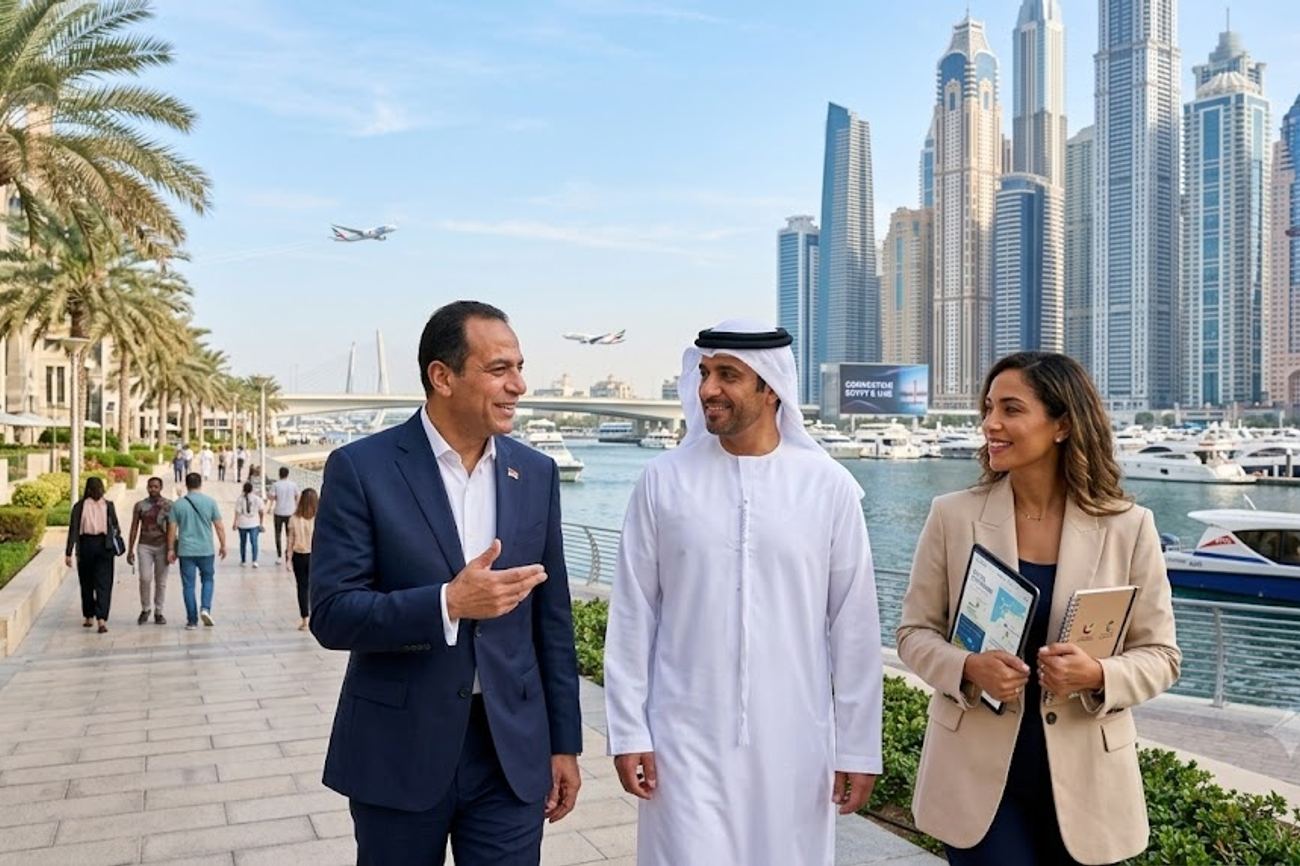
Image generated by AI
[Cairo, 2026] — Egypt and the United Arab Emirates have launched a comprehensive strategic partnership to accelerate tourism growth through synchronized aviation expansion, infrastructure investment, and the deployment of smart travel technologies.
The bilateral agreement, formalized in 2026, establishes a coordinated framework between Cairo and Abu Dhabi to integrate their travel ecosystems. By combining the UAE's global aviation reach and luxury hospitality expertise with Egypt's historical assets and Red Sea resorts, the two nations aim to create a unified regional corridor attracting higher volumes of travelers from Asia, Europe, and Africa.
Aviation Integration and Network Expansion
The cornerstone of this partnership is the aggressive expansion of air connectivity. By leveraging the UAE's status as a premier global transit hub, Egypt is gaining streamlined access to diverse international markets. This shift allows for the creation of multi-destination itineraries where travelers can combine the modern urbanism of the Gulf with the archaeological sites of North Africa.
Emirates, a primary driver of this connectivity, reports a significant recovery in travel demand, specifically noting a surge in passenger volume toward Egyptian markets. This trend is evident in strengthened summer performance and a rising trajectory for winter bookings across several key international routes.
The aviation surge is expected to distribute traffic across five primary Egyptian hubs:
- Cairo: Serving as the primary gateway for business travel, museums, and ancient heritage.
- Hurghada: Focusing on luxury resort development and Red Sea beach tourism.
- Sharm El Sheikh: Targeting international holidaymakers and marine tourism.
- Al Alamein: Developing the Mediterranean coastline as a premium seasonal destination.
- Luxor and Aswan: Prioritizing cultural tourism and deep-history excursions.
Infrastructure and Capital Investment
Beyond flight paths, the UAE is injecting capital into Egypt's physical and digital tourism infrastructure. This investment strategy moves beyond traditional economic ties, focusing on the logistics of the visitor experience to reduce transit times and increase the capacity of accommodation sectors.
The joint investment roadmap prioritizes several high-impact areas:
- Airport Modernization: Upgrading facilities to handle increased international arrivals.
- Hospitality Expansion: Building new hotels and resorts to meet rising demand.
- Transport Networks: Improving the ground connectivity between airports and tourist sites.
- Specialized Zones: Creating dedicated tourism investment zones to attract further foreign direct investment.
- Digital Services: Implementing modernized visitor services to streamline the arrival process.
Egypt's geographic position as a bridge between three continents makes it a prime target for these UAE-led developments, which aim to modernize the visitor journey from landing to departure.
Diversification of the Tourism Portfolio
A central goal of the 2026 collaboration is the evolution of Egypt's tourism brand. While the country remains a global leader in archaeological tourism, the partnership with the UAE is designed to pivot Egypt toward a more diversified, premium offering.
The UAE's mastery of luxury destination management is being applied to help Egypt scale the following sectors:
- High-End Leisure: Luxury beach holidays and premium cruise experiences.
- Niche Tourism: Desert adventures and the growth of medical tourism.
- Corporate Sector: Expanding the MICE (Meetings, Incentives, Conferences, and Exhibitions) industry.
- Family Travel: Creating comprehensive packages that cater to multi-generational groups.
This creates a complementary travel model. A visitor can now realistically book a single trip that pairs the luxury shopping, modern architecture, and smart-city experiences of Dubai and Abu Dhabi with the ancient monuments and historical cities of Egypt.
Implementation of Smart Tourism Technology
The partnership is integrating the UAE's advanced digital government frameworks into Egypt's tourism sector. The goal is the creation of "intelligent travel," utilizing data to personalize the visitor experience and remove friction from the travel process.
The digital rollout includes the integration of:
- AI Travel Assistants: Implementing artificial intelligence to handle bookings and itinerary planning.
- Smart Destination Management: Using data analytics to manage crowd flow at major heritage sites.
- Digital Payment Ecosystems: Expanding seamless, cashless payment solutions for international tourists.
- Biometric Processing: Accelerating visitor processing at borders to reduce queues.
These technological upgrades are managed through coordination with regional regulatory bodies and aviation authorities to ensure data security and seamless interoperability between the two nations' systems.
The strategic partnership between Egypt and the UAE focuses on enhancing aviation infrastructure and streamlining passenger logistics to boost regional visitor flows. Travelers can leverage expanded flight networks and updated visa protocols managed by the UAE Government portal to facilitate seamless transit between the two hubs.
The MICE and Business Travel Surge
The collaboration is specifically targeting the high-spend business travel segment. The UAE, particularly through its hubs in Dubai and Abu Dhabi, is already a global leader in hosting international forums and trade exhibitions. The partnership seeks to replicate this success in Egypt.
Egypt is positioning itself as a primary regional hub for:
- International corporate meetings and technology forums.
- Large-scale trade exhibitions and investment summits.
- Professional conferences that leverage Egypt's cultural backdrop.
This growth in business travel provides a secondary economic boost to the broader hospitality sector, increasing occupancy rates for luxury hotels and driving revenue for local transport and dining enterprises.
Passenger Impact: What This Means for You
For the average traveler, this partnership translates into tangible changes in how trips to North Africa and the Gulf are booked and experienced.
Flight Availability and Pricing Expect an increase in flight frequencies and potentially more competitive pricing on routes connecting the UAE and Egypt. The expansion of FlyDubai and Emirates networks means more time-slot options for travelers, reducing the need for long layovers.
Simplified Itineraries The emergence of "combined packages" means travelers can now book a single visa or tour package that covers both the UAE and Egypt. This removes the logistical burden of coordinating two separate trips to the region.
Digital Friction Reduction Travelers will notice a shift toward "paperless" tourism. From AI-driven concierge services to faster biometric boarding and entry, the physical act of moving between these two countries is becoming more automated.
New Destination Access Investment in Al Alamein and the Red Sea coast means that luxury travelers will have access to higher-standard resorts and better transport links to previously underserved coastal areas.
Future Timeline and Regional Outlook
The 2026 initiative is part of a broader trend toward Middle Eastern connectivity. By aligning their strategies, Egypt and the UAE are positioning themselves as the two primary gateways to the region—Egypt serving as the entry point for North Africa and heritage tourism, and the UAE serving as the global aviation and luxury hub.
Over the next 24 months, the focus will shift toward the full integration of digital payment systems and the completion of several key hotel projects in Egypt's new tourism zones. The long-term objective is to create a seamless travel loop that encourages longer stays and higher per-visitor spending across both nations.
FAQ: Egypt-UAE Travel 2026
Are there new flight routes between the UAE and Egypt? Yes. Aviation cooperation has increased flight frequencies and options, particularly through major carriers like Emirates, making it easier to reach Cairo, Hurghada, and Sharm El Sheikh.
Can I book a combined holiday package for both countries? Yes. The partnership is promoting multi-destination packages that allow travelers to experience the modern attractions of Dubai and Abu Dhabi alongside Egypt's historical landmarks.
How will "smart tourism" affect my trip? You can expect more AI-driven booking tools, faster biometric processing at airports, and an increase in digital payment options across Egyptian tourism sites.
Which Egyptian cities are seeing the most investment? Major investments are flowing into Cairo, Hurghada, Sharm El Sheikh, Al Alamein, Luxor, and Aswan, focusing on luxury resorts and transport infrastructure.
A new era of regional connectivity is redefining the journey from the pyramids to the skyscrapers.
Related Travel Guides
- Akasa Air Sparks A New Travel Trend As Bengaluru Emerges As The Top Pet Travel Hub Across Its Growing Domestic Network
- Madagascar Leads the Ultimate African Road Adventure Across Seven Extraordinary Routes
- Portugal Unlocks A New Era Of Accessible Travel With Growing Facilities And Smarter Tourism Planning
This article is for informational purposes. Flight routes, passenger regulations, visa rules, and transit advisories are subject to change by airlines and aviation authorities. Readers are advised to verify schedules and travel documentation with relevant carriers and border agencies before departure.
Related Stories

European Mass Protests Disrupt Travel Across France, Italy, Belgium, and Turkey in 2026

Storm Bruna 2026: Iberia Faces 200mm Rainfall and 6m Swells Triggering Mass Travel Chaos