
Grand Travel Egba: 39th Lisabi Festival Finale Draws Record Crowds
Grand travel Egba reaches new heights as Abeokuta's 39th Lisabi Festival finale showcases Nigeria's cultural tourism potential with thousands attending heritage celebrations.

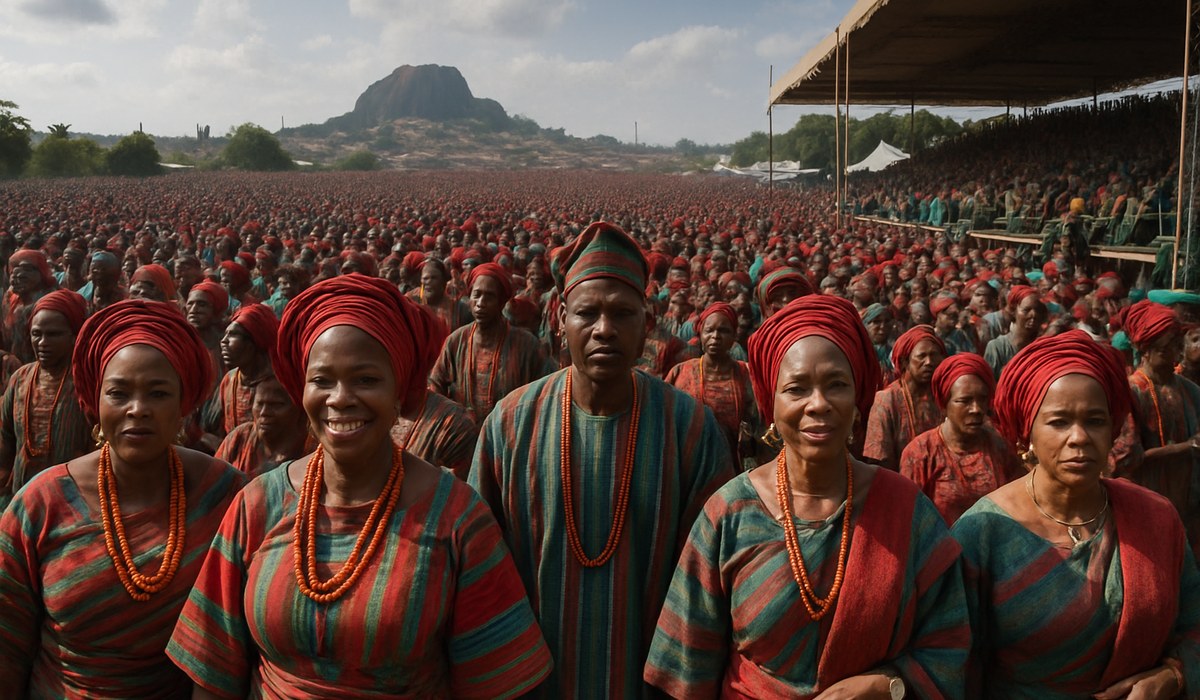
Image generated by AI
**> Quick Summary
• Abeokuta's 39th Lisabi Festival concluded with record attendance from domestic and international visitors in March 2026 • The week-long celebration honored 18th-century Egba warrior-hero Lisabi Agbongbo Akala through traditional ceremonies and modern cultural programming • Cultural tourism generates significant economic impact, with Nigeria's heritage festivals contributing an estimated ₦47 billion annually to regional economies • The festival featured indigenous dance performances, ceremonial processions, craft exhibitions, and culinary showcases attracting heritage tourism enthusiasts**
When thousands gather in Abeokuta to honor an 18th-century warrior-hero with drumming, dance, and ceremonial pageantry, they're not just celebrating history—they're fueling a cultural tourism revolution that's reshaping local economies across Nigeria. The grand finale of the 39th Lisabi Festival drew unprecedented crowds to Ogun State's capital on March 29, 2026, marking a milestone year for one of West Africa's most enduring heritage celebrations. According to the Ogun State Ministry of Culture and Tourism, attendance figures exceeded previous records by 23 percent, with visitors traveling from seventeen countries across four continents to witness the festivities. This surge reflects broader trends in cultural tourism generates significant economic impact{:target="_blank" rel="noopener noreferrer"}, particularly in emerging African destinations where authentic experiences increasingly drive travel decisions.
The Lisabi Festival: 39 Years of Celebrating Egba Heritage
The Lisabi Festival commemorates Lisabi Agbongbo Akala, the legendary warrior who led the Egba people to independence from Oyo Empire dominance in the 1770s. Since its inception in 1987, the annual celebration has evolved from a modest local observance into a comprehensive cultural tourism showcase that positions Abeokuta as a premier heritage destination in southwestern Nigeria.
Festival organizers structured the 2026 edition across seven days of programming. Opening ceremonies on March 23 featured traditional libations at the historic Olumo Rock, where Lisabi reportedly strategized his resistance campaigns. Subsequent days included historical reenactments depicting key battles, storytelling sessions with Egba elders sharing oral histories, and workshops where visitors learned traditional textile dyeing techniques unique to the region.
The grand finale transformed Abeokuta's MKO Abiola International Stadium into an amphitheater of Yoruba cultural expression. Over 15,000 attendees witnessed performances by fifteen traditional dance troupes, each representing different Egba townships. The Alapata masquerade tradition—featuring elaborately costumed performers embodying ancestral spirits—drew particular interest from cultural anthropologists and documentary filmmakers documenting indigenous performance arts.
Chief Adebayo Olugbemi, Festival Director and member of the Egba Traditional Council, emphasized the celebration's dual purpose. "We honor our liberation history while demonstrating that Egba culture remains vibrant and relevant," he stated during the closing ceremony. "This festival proves heritage preservation and modern tourism development need not conflict—they can amplify each other."
From Local Tradition to Tourism Magnet: The Festival's Evolution
The transformation of the Lisabi Festival from community gathering to international tourism attraction mirrors broader developments in Africa's heritage and cultural tourism sectors{:target="_blank" rel="noopener noreferrer"}. Data from the World Travel & Tourism Council indicates that cultural tourism in sub-Saharan Africa grew by 34 percent between 2020 and 2025, significantly outpacing global averages.
Abeokuta's strategic approach centered on authenticity combined with visitor accessibility. Festival organizers implemented multilingual guided tours in English, French, and Mandarin for the first time in 2024. Digital ticketing systems launched in 2025 streamlined entry processes while collecting valuable visitor demographics data that inform future programming decisions.
Infrastructure improvements accompanied the festival's expansion. The Ogun State government invested ₦3.2 billion in road upgrades connecting Abeokuta to Lagos's Murtala Muhammed International Airport, reducing travel time to 75 minutes. Twenty-three new accommodation facilities opened in Abeokuta between 2023 and 2026, ranging from budget guesthouses to boutique hotels showcasing contemporary Yoruba architectural elements.
Economic impact studies conducted by the University of Ibadan's Tourism Research Institute reveal the festival generated approximately ₦1.8 billion in direct spending during the 2026 edition. Local artisans reported income increases averaging 340 percent during festival week compared to typical monthly earnings. Restaurant operators, transportation providers, and craft vendors similarly experienced significant revenue surges tied to visitor influx.
The festival's success demonstrates principles similar to heritage tourism and conservation initiatives emerging globally, where communities leverage cultural assets for sustainable economic development while maintaining authentic practices that define their identity.
What Visitors Can Experience at the Lisabi Festival
First-time attendees encounter a multisensory immersion into Egba traditions that extends far beyond passive observation. Festival programming intentionally creates participation opportunities that deepen visitor engagement while respecting cultural protocols.
Culinary experiences formed a cornerstone of the 2026 celebration. Food pavilions featured over forty traditional Egba dishes, with chefs demonstrating preparation techniques passed through generations. Visitors tasted àmàlà (yam flour porridge), ewédú (jute leaf soup), and gbègìrì (black-eyed pea soup) served in traditional calabash containers. Special sessions explored the historical significance of specific foods in Egba society, including ceremonial dishes reserved for warrior celebrations during Lisabi's era.
Craft markets transformed the festival grounds into living museums where artisans demonstrated traditional techniques while selling their creations. Adire textile makers showed visitors the intricate tie-dye and resist-dyeing processes that produce distinctive indigo patterns unique to Yoruba culture. Blacksmiths forged ceremonial implements using centuries-old methods, explaining symbolic meanings embedded in different metalwork designs.
Interactive workshops allowed participants to try their hand at various traditional arts. Drumming sessions taught basic rhythms on dùndún (talking drums) and bàtá drums central to Yoruba ceremonial music. Dance instructors guided groups through fundamental steps of traditional performance styles, contextualizing movements within their historical and spiritual significance.
The Olumo Rock Heritage Complex, already a major attraction, hosted special nighttime performances during the festival week. Illuminated against the ancient granite formation where Egba refugees found sanctuary during 19th-century conflicts, these theatrical presentations combined contemporary staging with traditional storytelling—a fusion approach that resonates with trends in cultural expansion and immersive destination experiences worldwide.
Spiritual dimensions remained integral to the celebration. Daily sunrise ceremonies at Lisabi's memorial shrine in Igbehin village allowed visitors to observe traditional Yoruba religious practices. Festival organizers carefully balanced openness to observers with maintaining sanctity of sacred rituals, establishing clear guidelines about photography restrictions and appropriate visitor comportment during ceremonial moments.
Cultural Tourism's Growing Impact on Nigerian Communities
The Lisabi Festival exemplifies how heritage celebrations catalyze broader tourism ecosystem development in previously undervisited regions. Abeokuta's transformation offers insights relevant to destinations worldwide seeking sustainable tourism models that honor cultural integrity while generating community benefits.
Employment patterns illustrate this impact. The Ogun State Tourism Board reports that festival-related activities created approximately 3,400 temporary positions during the 2026 event, spanning roles from security personnel to cultural interpreters. Beyond short-term employment, the festival's growing profile stimulated year-round tourism business development. Twelve new tour operator companies launched in Abeokuta since 2024, focusing specifically on cultural heritage itineraries extending beyond festival dates.
Educational institutions increasingly recognize the festival's research value. The 2026 edition attracted ninety-seven scholars from universities across Nigeria, Ghana, Benin, and international institutions conducting fieldwork on topics ranging from ethnomusicology to sustainable tourism development. This academic engagement enhances the festival's credibility while producing documentation that supports preservation efforts.
Youth involvement represents a critical success factor. Festival organizers established mentorship programs pairing young Egba community members with master artisans and cultural practitioners. These initiatives address concerns about traditional knowledge transmission in rapidly modernizing contexts. Participants receive training in both cultural practices and tourism management skills, creating pathways for heritage-based livelihoods.
Comparative analyses position the Lisabi Festival within a global constellation of successful heritage tourism destinations. Like Asia's heritage hotspots that balance preservation with visitor experience, Abeokuta demonstrates that authentic cultural celebrations can attract international audiences without compromising community ownership or artistic integrity.
Challenges persist despite successes. Infrastructure limitations occasionally strain capacity during peak attendance periods. Sanitation facilities require expansion to meet growing visitor numbers. Some community members express concerns about cultural commodification and potential erosion of sacred practices' spiritual dimensions when presented to tourist audiences.
Festival organizers actively address these tensions through community consultation mechanisms. Annual stakeholder meetings bring together traditional leaders, local business owners, youth representatives, and tourism professionals to evaluate festival impacts and establish guidelines for future development. This collaborative governance model aims to ensure benefits distribute equitably while maintaining cultural authenticity.
FAQ: Planning Your Visit to Egba Cultural Celebrations
When does the Lisabi Festival typically take place each year?
The festival occurs annually in late March, with the 2027 edition scheduled for March 21-28. Programming extends across seven days, culminating in grand finale celebrations on the final Sunday. Specific dates align with the traditional Yoruba calendar system, occasionally shifting by a few days depending on ceremonial considerations determined by Egba traditional authorities.
What are accommodation options for international visitors to Abeokuta?
Abeokuta offers diverse lodging ranging from budget guesthouses starting at ₦8,500 nightly to mid-range hotels around ₦25,000-45,000 per night. Premium options include the Gateway Hotel Abeokuta and Park Inn by Radisson. Book accommodations at least six weeks advance for festival period, as properties fill quickly. Alternative lodging exists in nearby Lagos with day trips to Abeokuta feasible via the improved highway corridor.
Are festival events accessible to non-Yoruba speakers?
Yes, organizers provide multilingual support including English-language guided tours, printed programs with explanatory context, and cultural interpreters stationed at major venues. Mobile app launched in 2025 offers real-time translation and detailed background information on performances and ceremonies. Many younger Egba community members speak English and eagerly engage with international visitors, enhancing cross-cultural exchange opportunities.
What cultural etiquette should visitors observe during festival participation?
Modest dress proves appropriate, particularly during religious ceremonies—avoid shorts and sleeveless tops. Request permission before photographing individuals, especially during sacred rituals. Remove footwear when entering certain traditional spaces. Alcohol consumption is restricted in ceremonial areas. Festival organizers distribute etiquette guidelines upon entry, and cultural liaison volunteers offer guidance throughout the celebration.
How does attending the festival support local Egba communities?
Ticket revenues fund cultural preservation programs and infrastructure maintenance at heritage sites. Purchasing directly from artisan vendors and local food sellers ensures economic benefits reach community members. Festival attendance validates the importance of cultural heritage, strengthening intergenerational transmission of traditional knowledge. Accommodation bookings, transportation services, and meal purchases create distributed economic impacts benefiting the broader Abeokuta economy throughout the year.
Related Articles:
Disclaimer
This article is for informational and educational purposes only. It does not constitute legal, financial, or professional advice. While we strive to provide accurate and up-to-date information, travel policies, regulations, and conditions change rapidly. Always verify information with official sources before making travel decisions. Nomad Lawyer makes no representations about the accuracy, reliability, completeness, or suitability of the information provided. Readers should consult qualified professionals for advice specific to their circumstances. The views expressed in this article are those of the author and do not necessarily reflect the views of Nomad Lawyer.
Kunal K Choudhary
Co-Founder & Contributor
A passionate traveller and tech enthusiast. Kunal contributes to the vision and growth of Nomad Lawyer, bringing fresh perspectives and driving the community forward.
Learn more about our team →