
Indonesia Pivots Wildlife Tourism Toward Conservation in 2026
Indonesia introduces daily visitor caps at Komodo National Park and expands community-based ecotourism projects across five protected areas in 2026 to balance wildlife conservation with sustainable travel.

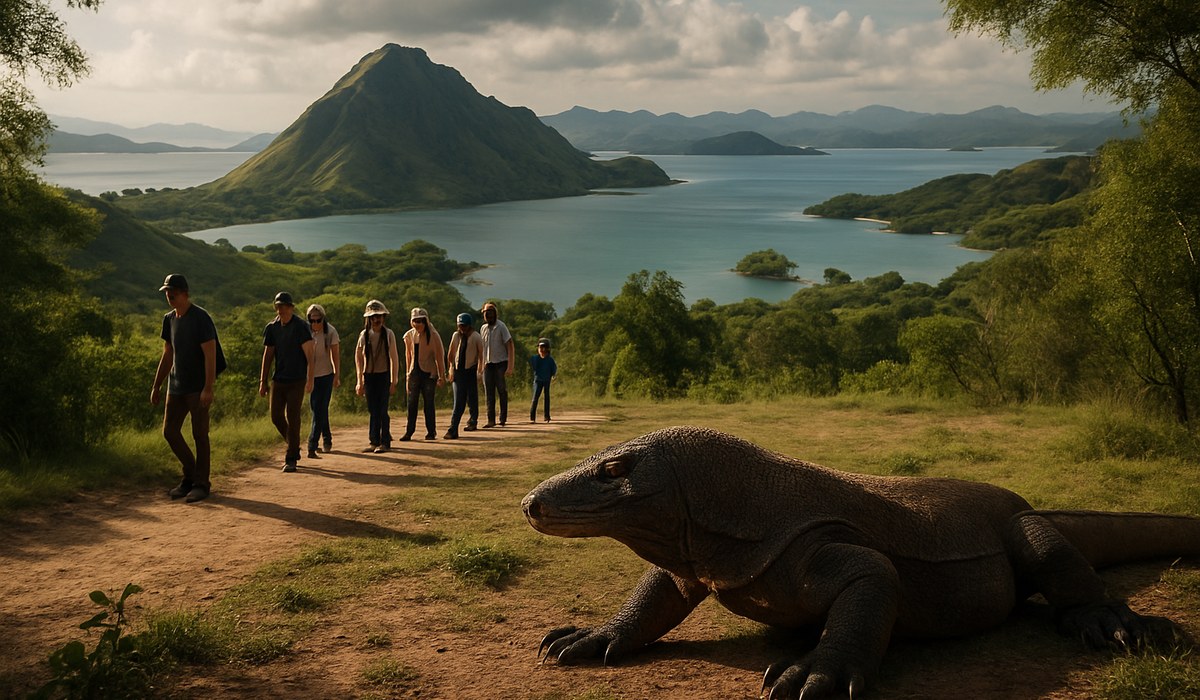
Image generated by AI
Indonesia is implementing sweeping changes to its wildlife tourism sector through daily visitor caps, mandatory pre-booking systems, and community-led conservation projects designed to protect endangered species while sustaining local economies. The Ministry of Environment and Forestry announced in March 2026 that Komodo National Park will limit daily visitors to 1,000 starting April 2026, marking the nation's most ambitious shift from mass tourism toward managed, conservation-first travel experiences.
Komodo National Park Implements 1,000-Visitor Daily Cap From April 2026
Komodo National Park now restricts entry to 1,000 visitors daily under a quota system launched in April 2026 following a government-commissioned carrying-capacity study. Park authorities in Labuan Bajo report that the previous system allowed several hundred thousand annual visitors, causing habitat disturbance around popular viewpoints on Padar Island and marine pollution across diving corridors in the Coral Triangle. The new advance booking platform requires travelers to register with specific entry dates and named permits, eliminating walk-in access entirely. Tour operators in Flores and Bali are advising clients to book Komodo excursions at least three months ahead during peak seasons from June through September. The permit system distributes visitors across different time slots and boat itineraries to reduce congestion at Komodo dragon viewing platforms, with park rangers enforcing strict zones that separate core conservation areas from designated tourist corridors. Learn more about Indonesia's national parks at the official Ministry of Environment and Forestry portal.
Community-Based Ecotourism Expands Across Five Protected Wildlife Areas
Indonesia is channeling multi-million-dollar funding into community ecotourism projects across Tanjung Puting National Park in Kalimantan, Gunung Leuser National Park in Sumatra, Wakatobi National Park in Sulawesi, Bunaken Marine Park in North Sulawesi, and Komodo National Park. The Global Environment Facility-backed Wildlife Ecotourism initiative trains local guides, builds eco-lodges operated by village cooperatives, and establishes revenue-sharing models that direct tourism income toward habitat restoration and anti-poaching patrols. At Tanjung Puting, where endangered Bornean orangutans attract thousands of annual visitors, new regulations require all river safaris to use certified guides from riverside communities, with permit fees funding ranger salaries and rehabilitation centers. Village-run guesthouses near Gunung Leuser in Bukit Lawang now account for 60% of accommodation capacity, replacing older lodges that lacked waste management systems. Travelers visiting these five areas can expect longer pre-trip briefings, mandatory conservation contributions ranging from $15 to $50 per visit, and stricter codes of conduct including 10-meter minimum distances from orangutans and prohibitions on single-use plastics. Find detailed trip planning resources at Lonely Planet's Indonesia wildlife guide.
Stricter Permit Systems and Wildlife Protection Regulations Take Effect
Indonesia's updated conservation regulations require all wildlife tourism operators to obtain annual permits demonstrating compliance with national animal welfare standards and ecological zoning rules. Government documents released in early 2026 mandate that tour providers in protected areas must hire certified naturalist guides, submit monthly visitor reports, and follow protocols that ban feeding wild animals or arranging physical contact with protected species. Kalimantan and Sumatra orangutan tour operators now face unannounced inspections by Ministry officials, with permit suspensions issued for violations such as allowing tourists within five meters of great apes or operating outside designated trekking corridors. Enforcement agencies are simultaneously targeting illegal wildlife markets, with 14 major confiscations of trafficked animals reported in January and February 2026 across Java and Bali, according to conservation monitoring reports. Rehabilitation centers operated by organizations like the Borneo Orangutan Survival Foundation remain closed to tourists, reinforcing the shift from contact-based attractions toward observation-focused experiences at safe distances. Travelers booking wildlife tours should verify that operators display current Ministry of Environment and Forestry permits and follow Indonesia's great-ape tourism standards.
Marine Conservation Zones in Coral Triangle Adopt Seasonal Closures
Indonesia's portion of the Coral Triangle, spanning marine parks from Raja Ampat to Wakatobi, now enforces seasonal closures and diver quotas to protect reef ecosystems under stress from warming waters and visitor pressure. Raja Ampat Marine Park authorities announced in March 2026 that certain dive sites will close for three months annually during coral spawning periods, with schedules rotating among popular locations like Misool and Dampier Strait. Daily diver limits range from 50 to 100 per site depending on reef sensitivity, with liveaboard operators required to book slots through a centralized reservation system managed by the Raja Ampat Tourism Board. Dive shops in Sorong and Waisai report that advance booking windows have extended from two weeks to two months for peak visibility months between October and April. The new rules include mandatory marine park fees of $100 per person for 10-day visits, up from previous rates, with revenues funding coral restoration projects and patrol boat operations targeting destructive fishing practices. Snorkelers and divers should check TripAdvisor's Raja Ampat forum for real-time site availability and book early through certified dive centers that comply with Marine Park Authority regulations.
What This Means for Travelers Planning Indonesia Wildlife Trips in 2026
Travelers must adapt to longer booking lead times, higher upfront costs, and stricter on-site rules when visiting Indonesia's wildlife destinations in 2026 and beyond:
-
Book wildlife trips at least three months ahead for Komodo National Park, Raja Ampat, and major orangutan trekking areas to secure permits during peak seasons.
-
Budget for conservation fees ranging from $15 for single-day national park entries to $100 for multi-day marine park passes, on top of standard tour costs.
-
Select operators displaying current Ministry of Environment and Forestry permits and certifications from recognized conservation organizations.
-
Prepare for detailed codes of conduct including minimum wildlife distances, plastic-free packing requirements, and mandatory guide accompaniment in all protected areas.
-
Consider shoulder-season travel between April-May and September-October when visitor caps are less restrictive and seasonal closures have minimal impact on itineraries.
Key Indonesia Wildlife Tourism Changes in 2026
| Protected Area | New Regulation | Effective Date | Visitor Impact |
|---|---|---|---|
| Komodo National Park | 1,000 daily visitor cap | April 2026 | Advance booking required, 3-month lead time recommended |
| Raja Ampat Marine Park | Seasonal dive site closures | March 2026 | Rotating 3-month closures, 50-100 diver daily limits per site |
| Tanjung Puting National Park | Certified guide requirement | January 2026 | All river safaris must use village-trained guides |
| Gunung Leuser National Park | 10-meter orangutan distance rule | February 2026 | Stricter enforcement, mandatory naturalist guides |
| Wakatobi National Park | $100 marine conservation fee | March 2026 | New fee for 10-day visits, funds coral restoration |
| All conservation areas | Annual operator permit renewal | Ongoing | Operators must submit monthly visitor reports, pass inspections |
Frequently Asked Questions About Indonesia's Wildlife Tourism Changes
How early should I book Komodo National Park trips after the 2026 visitor cap starts? Book Komodo National Park excursions at least three months before your intended travel date to secure one of the 1,000 daily permits available under the new April 2026 quota system. Peak season months from June through September fill fastest, with tour operators in Labuan Bajo reporting that advance reservations now extend to 90-120 days ahead compared to previous walk-in access.
What are the new visitor limits for Indonesia wildlife tourism in protected areas? Indonesia pivots wildlife tourism toward conservation through daily caps of 1,000 visitors at Komodo National Park, 50-100 divers per site in Raja Ampat Marine Park, and group sizes limited to 6-8 people for orangutan trekking in Tanjung Puting and Gunung Leuser parks. These limits take effect between January and April 2026 depending on the specific conservation area.
Which Indonesia conservation fees increased in 2026? Marine park fees in Raja Ampat rose to $100 per person for 10-day visits starting March 2026, while Komodo National Park entry fees remain at approximately $25 per day but now require advance permit bookings. Community ecotourism areas in Kalimantan and Sumatra charge new $15-$50 conservation contributions that fund local guide programs and wildlife rehabilitation centers.
Can I still see orangutans in Indonesia under the new wildlife tourism regulations? Travelers can see orangutans at Tanjung Puting National Park in Kalimantan and Gunung Leuser National Park in Sumatra under stricter 2026 rules requiring certified guides, 10-meter minimum distances, and advance permits. Indonesia pivots wildlife tourism toward observation-focused experiences, prohibiting feeding, physical contact, or visits to rehabilitation centers closed to tourists.
Related Travel Guides
- Westin Hotels & Resorts Appoints Rishi Mehra as Hotel Manager for Gurgaon Property in 2026
- Delta Air Lines Faces Low Booking Volume for Inaugural Atlanta to Riyadh Nonstop Route in 2026
- Indian Railways Deploys 12 Special Train Pairs for Shrawani Mela 2026 Deoghar Pilgrimage
Disclaimer
Information compiled from Indonesian Ministry of Environment and Forestry announcements, Global Environment Facility project reports, and regional travel industry updates as of March 29, 2026. Conservation regulations and visitor caps are subject to adjustment based on ongoing ecological monitoring and government policy reviews. Verify current permit requirements, booking procedures, and conservation fees with official Indonesia tourism authorities and accredited tour operators before finalizing wildlife travel plans.
Disclaimer
This article is for informational and educational purposes only. It does not constitute legal, financial, or professional advice. While we strive to provide accurate and up-to-date information, travel policies, regulations, and conditions change rapidly. Always verify information with official sources before making travel decisions. Nomad Lawyer makes no representations about the accuracy, reliability, completeness, or suitability of the information provided. Readers should consult qualified professionals for advice specific to their circumstances. The views expressed in this article are those of the author and do not necessarily reflect the views of Nomad Lawyer.
Kunal K Choudhary
Co-Founder & Contributor
A passionate traveller and tech enthusiast. Kunal contributes to the vision and growth of Nomad Lawyer, bringing fresh perspectives and driving the community forward.
Learn more about our team →