
Ecuador and Bolivia Tourism Surge: 2026 Analysis of Andean Growth and Infrastructure Shifts
Analysis of the 45.8% surge in Ecuadorian arrivals and Bolivia's strategic tourism expansion reveals a structural shift toward high-value ecotourism in South America.

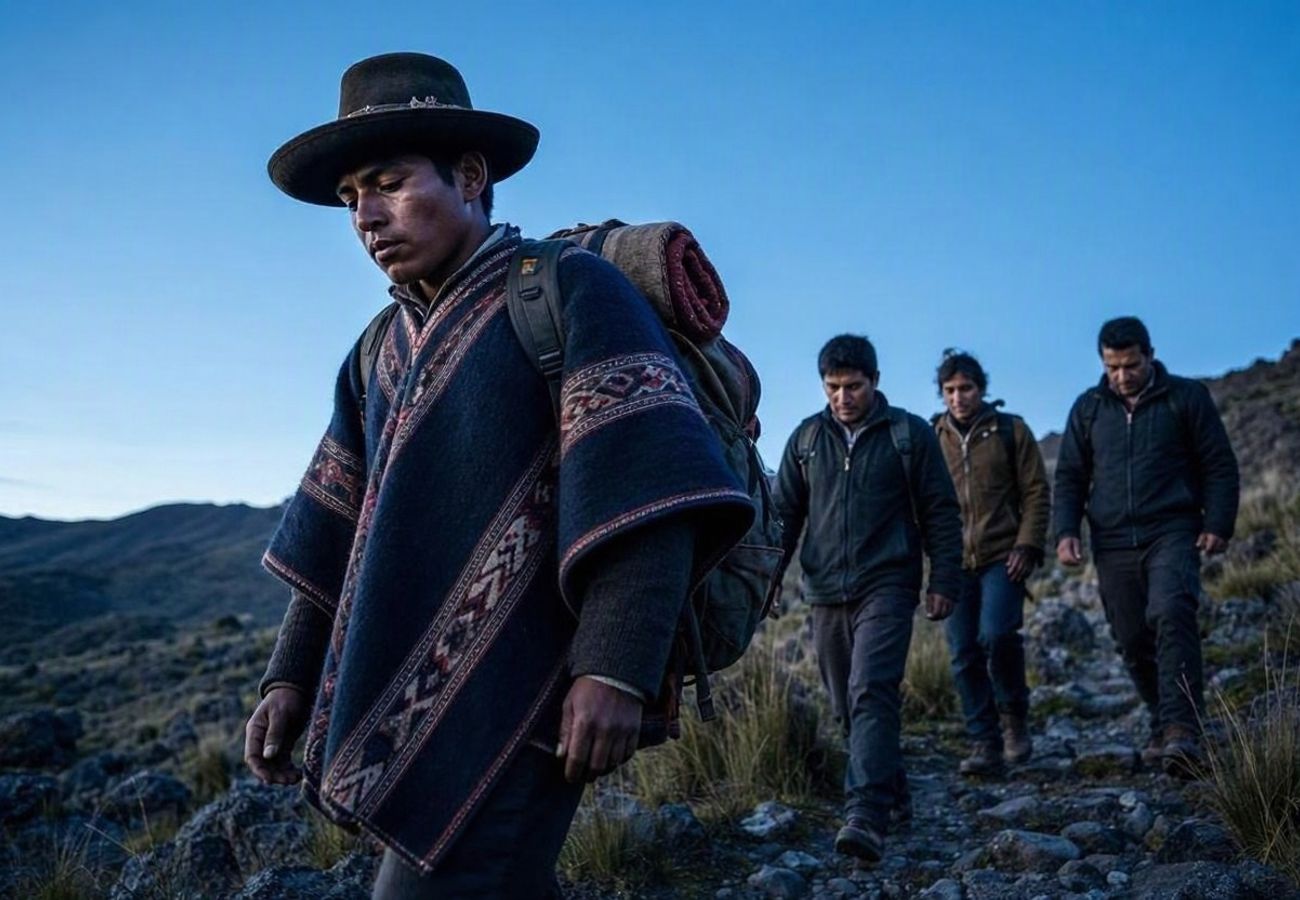
Image generated by AI
A 45.8% increase in international visitor engagement for Ecuador signals a profound redistribution of travel capital within South America. While the broader Americas region saw a marginal 1% growth in 2025—reaching 218 million arrivals according to UN Tourism—the Andean corridor is decoupling from regional averages. Ecuador and Bolivia are no longer merely secondary stops; they are leveraging biodiversity and ancestral heritage to attract high-yield travelers, effectively transforming ecological stewardship into a macroeconomic engine.
The Andean Pivot: From Gateways to Destinations
For decades, South American travel was defined by primary gateways like Brazil and Colombia. However, 2026 data reveals a structural shift. Travelers are bypassing traditional hubs in favor of nature-based itineraries and immersive cultural exchanges. This transition is not accidental but the result of targeted government interventions designed to diversify national economies away from commodity dependence.
The "South America growth challenge" currently revolves around three systemic bottlenecks: restrictive intra-regional air connectivity, aggressive transport taxation, and volatile weather patterns. To counter these, Ecuador and Bolivia have implemented digital visa platforms and biometric border automation, reducing friction at entry points and improving the operational flow for long-haul visitors.
Statistical Breakdown of Inbound Growth
The divergence in growth rates between traditional markets and these emerging Andean leaders is stark. While major economies rely on volume, Ecuador and Bolivia are prioritizing value and sustainability.
International Arrival Comparison (2024–2025)
| Country | 2024 Arrivals | 2025 Arrivals | Growth Rate | Primary Driver |
|---|---|---|---|---|
| Ecuador | 1,247,936 | 1,820,000 | +45.8% | Galápagos & Amazon Eco-lodges |
| Bolivia | 1,409,972 | 1,602,064 | +13.6% | Salar de Uyuni & Lake Titicaca |
Ecuador Regional Distribution (2025 Official Data)
The following table illustrates the decentralization of tourism within Ecuador, showing a strategic push to move visitors beyond the capital.
| Region/Site | Visitor Count | Year-on-Year Growth |
|---|---|---|
| Galápagos Archipelago | 300,000 | 89.3% |
| Baños de Agua Santa | 300,000 | 67.9% |
| Cotopaxi National Park | 500,000 | 56.8% |
| Cuenca UNESCO Site | 300,000 | 48.2% |
| Quito Colonial Center | 900,000 | 42.8% |
| Guayaquil & Pacific Coast | 500,000 | 35.7% |
Expert Analysis: The Cost of Conservation
For travelers booking trips to the Andes, the direct consequence of this growth is a shift toward "managed access." Ecuador's updated Galápagos ecological conservation policy is a prime example of this trend. By increasing entry fees and enforcing strict carrying-capacity limits, the Ministry of Tourism of Ecuador is effectively pricing out mass tourism to fund invasive species eradication and renewable energy.
The pricing pressure created by these policies means that the "budget backpacker" era of the Galápagos is ending. In its place is a high-value model where incremental revenues are reinvested into marine reserve patrols. This creates a cause-and-effect loop: higher costs lead to fewer but higher-spending visitors, which reduces environmental degradation and increases the per-passenger revenue for the state.
In Bolivia, the National Plan for Sustainable Tourism Modernisation 2025–2030 focuses on rural connectivity. For the traveler, this means better road access to the Salar de Uyuni and Madidi National Park, but it also means these previously "off-the-beaten-path" locations will see increased regulation and commercialization. The transition from raw adventure to "structured ecotourism" is the defining trend of the region.
Key Takeaways
- Rapid Expansion: Ecuador experienced a massive 45.8% jump in visitor engagement, far outpacing the 1% growth seen across the wider Americas in 2025.
- Infrastructure Investment: A $120 million allocation is targeting regional airfields in Manta, Loja, and Santa Rosa to decentralize Ecuadorian tourism.
- Policy Shift: Bolivia is utilizing a 2025–2030 modernization plan to integrate rural transport with heritage protection.
- Sustainability Costs: Increased entry fees in the Galápagos are now mandatory to fund biological protection and renewable energy.
- Diversification: Both nations are successfully shifting their economic reliance from primary exports to high-yield, nature-based tourism.
FAQ: Andean Travel 2026
Are visas easier to obtain for Bolivia and Ecuador in 2026? Yes. Both nations have implemented digital visa platforms and biometric automation to streamline entry for long-haul international travelers, significantly reducing processing times.
Why have Galápagos entry fees increased? Fees were raised to fund critical conservation efforts, including the eradication of invasive species, the maintenance of marine reserve patrol fleets, and the installation of renewable energy infrastructure.
Which regions in Ecuador are seeing the fastest growth? The Galápagos Archipelago is leading with 89.3% year-on-year growth, followed by the adventure hub of Baños de Agua Santa at 67.9%.
What is the primary focus of Bolivia's 2025–2030 tourism plan? The plan prioritizes rural transport connectivity, the protection of heritage sites, and the modernization of infrastructure around the Salar de Uyuni salt flats.
The era of unchecked Andean exploration is yielding to a sophisticated, state-managed model of high-value sustainability.
Related Travel Guides
Disclaimer
This article is for informational and educational purposes only. It does not constitute legal, financial, or professional advice. While we strive to provide accurate and up-to-date information, travel policies, regulations, and conditions change rapidly. Always verify information with official sources before making travel decisions. Nomad Lawyer makes no representations about the accuracy, reliability, completeness, or suitability of the information provided. Readers should consult qualified professionals for advice specific to their circumstances. The views expressed in this article are those of the author and do not necessarily reflect the views of Nomad Lawyer.
Raushan Kumar
Founder & Lead Developer
Full-stack developer with 11+ years of experience and a passionate traveller. Raushan built Nomad Lawyer from the ground up with a vision to create the best travel and law experience on the web.
Learn more about our team →