
easyJet France Cabin Crew Strike Threatens Summer Travel Disruptions from August 7 to September 2 2026
easyJet France faces potential flight cancellations and delays as cabin crew unions file strike notices for August 7 through September 2, 2026, citing poor working conditions.

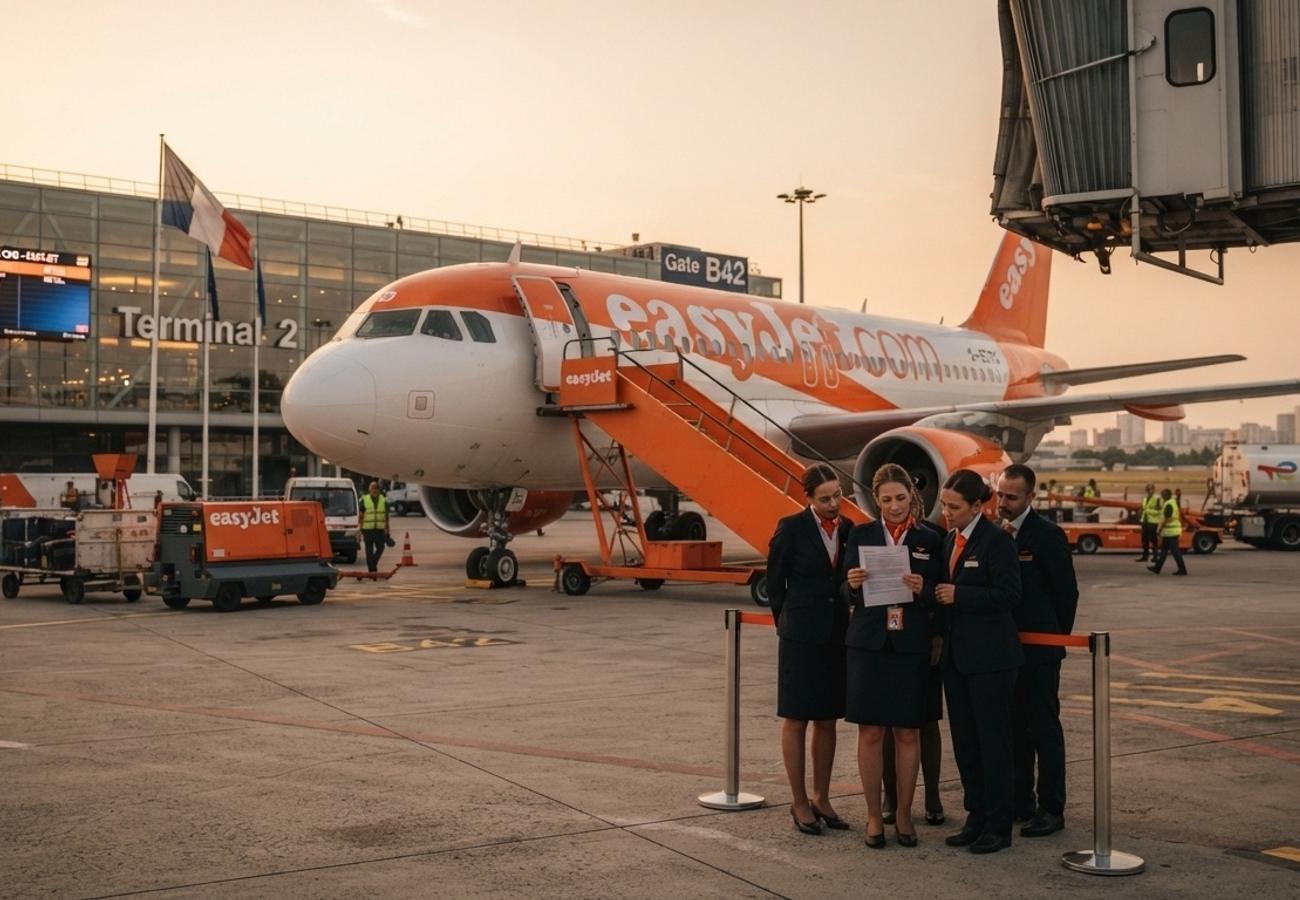
Image generated by AI
Potential industrial action by easyJet France cabin crew from 7 August to 2 September 2026 threatens to disrupt thousands of summer holiday and business trips during Europe's peak travel window.
The Local Trend Revealed: Labor Tension in the Peak Season
France is currently witnessing a critical friction point between low-cost carrier efficiency and employee welfare. The cabin crew of easyJet France has officially filed a strike notice covering a nearly month-long window from 7 August to 2 September 2026. While a strike notice is a legal prerequisite for industrial action and does not guarantee immediate cancellations, it signals a high risk of volatility for anyone flying into or out of French hubs.
The dispute is not about wages alone, but rather the "invisible" mechanics of aviation labor: roster stability and fatigue management. Crew members are pushing back against unstable duty schedules, frequent last-minute roster changes, and demanding flight rotations. In the high-pressure environment of a European summer, these operational demands have reached a breaking point, leading unions to seek a fundamental shift in how rotations and shifts are managed.
Cultural & Environmental Value: The Human Cost of High-Velocity Travel
For the visitor, the real impact of this dispute is a glimpse into the sustainability of the "low-cost" model. The pressure on cabin crew—who are essential for safety and security—highlights a growing regional movement toward protecting worker welfare over sheer operational volume.
The unions involved, including SNPNC-FO, UNPNC-CFDT, and UNAC CFE-CGC, are advocating for a balance between airline efficiency and the mental health of the crew. When crew members face extreme fatigue from complex rotations and night operations, it creates a systemic risk that transcends simple delays. Supporting fair labor practices within the aviation sector is increasingly viewed as a component of sustainable tourism; a rested, well-treated workforce ensures a safer and more hospitable environment for the global traveler.
Visitor Insider Tips: Navigating France During Industrial Action
If you are scheduled to fly with easyJet France during this window, standard travel advice is insufficient. Use these localized strategies to minimize impact:
- The "Buffer" Strategy: Avoid booking tight connections in Paris or Marseille. If your flight is delayed by even two hours due to crew shortages, you risk missing onward travel. Build in a minimum 6-hour buffer or an overnight stay.
- Digital Vigilance: Do not rely on airport screens. Ensure your contact details are updated in the easyJet app to receive push notifications, as schedule changes during strikes often happen in real-time.
- Insurance Audit: Review your travel insurance specifically for "Industrial Action" clauses. Some policies only cover strikes if they were announced before the policy was purchased.
- Alternative Transit: For domestic French travel, the SNCF (national rail) is often a viable, eco-friendly alternative to short-haul flights, though these can also be subject to separate labor disputes.
- Airport Arrival: During peak August volumes, arrive at French airports at least 3 hours before departure. Strike-related uncertainty often leads to congestion at check-in counters.
Tourism Outlook: Long-term Implications for French Aviation
The outcome of the negotiations between easyJet France and the unions will likely set a precedent for other low-cost carriers operating in the EU. If the unions successfully secure more stable rosters and reduced rotation demands, we may see a shift toward more sustainable staffing models across the industry.
However, in the short term, this volatility underscores the fragility of the European aviation network. Because aircraft and crew are interconnected across multiple routes, a localized strike in France can trigger a "domino effect," causing delays in airports as far away as London, Berlin, or Geneva. The long-term goal for the destination is to move toward a model where seasonal demand peaks do not result in workforce burnout.
Stay alert and keep your flight trackers active as the August 7 deadline approaches.
Related Travel Guides
Disclaimer
This article is for informational and educational purposes only. It does not constitute legal, financial, or professional advice. While we strive to provide accurate and up-to-date information, travel policies, regulations, and conditions change rapidly. Always verify information with official sources before making travel decisions. Nomad Lawyer makes no representations about the accuracy, reliability, completeness, or suitability of the information provided. Readers should consult qualified professionals for advice specific to their circumstances. The views expressed in this article are those of the author and do not necessarily reflect the views of Nomad Lawyer.
Raushan Kumar
Founder & Lead Developer
Full-stack developer with 11+ years of experience and a passionate traveller. Raushan built Nomad Lawyer from the ground up with a vision to create the best travel and law experience on the web.
Learn more about our team →