
Durango, Colorado: Mountain Town Living, Outdoor Adventure, and Relocation Guide

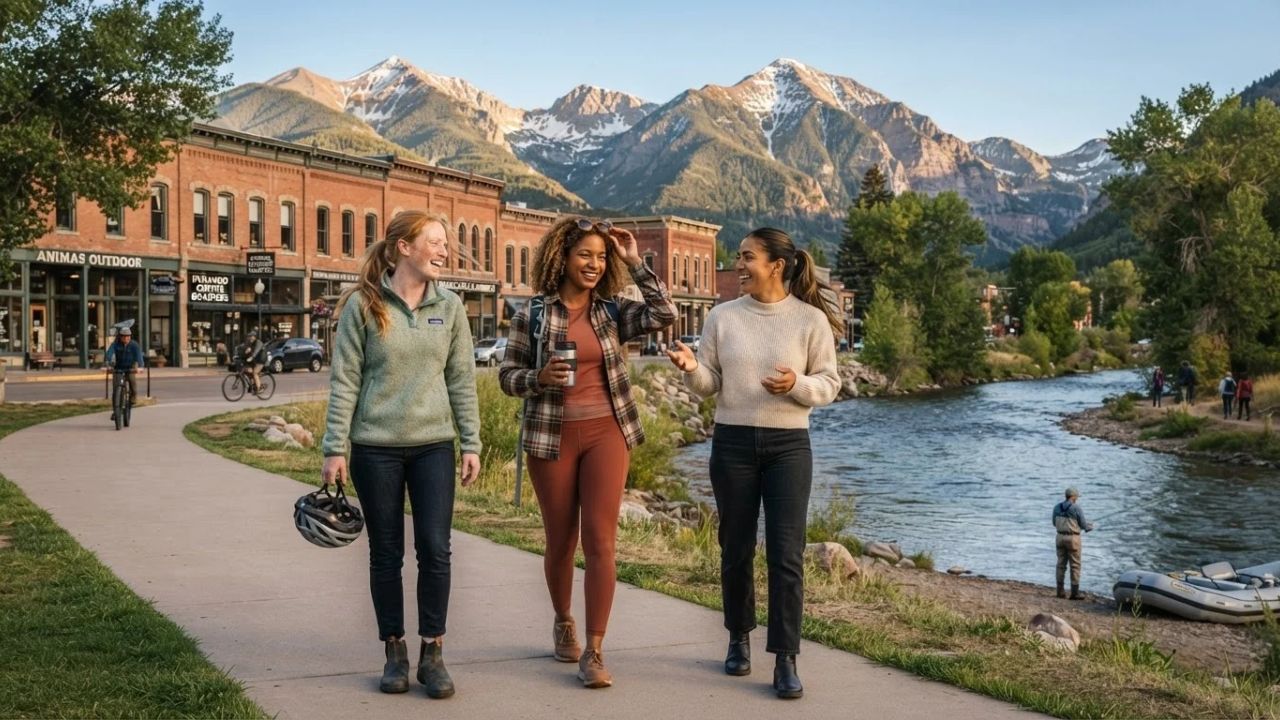
Where the jagged San Juan Mountains meet high-desert sandstone at 6,512 feet, Durango, Colorado, is emerging as one of America's premier hubs for year-round outdoor living and relocation. Offering direct access to the Animas River, over 300 miles of community trails, and winter skiing at Purgatory Resort, the historic railroad town balances high-country adventure with genuine community grit.
The Local Trend Revealed: The Year-Round Mountain Town Alternative
As remote professionals, active retirees, and outdoor enthusiasts reconsider overcrowded resort corridors along Colorado's Interstate 70, attention is turning toward the southwestern corner of the state. Durango sits at an exceptional geographic crossroads where soaring alpine summits meet high-desert sandstone mesas.
Unlike single-season ski enclaves that empty out during mud season, Durango functions as an authentic, year-round municipality. The town pairs historic 19th-century mining heritage with an active lifestyle centered on the Animas River, world-class cycling routes, and four-season high-country exploration.
Balancing Mountain Ambitions with Everyday Practicalities
Moving beyond quick weekend visits, prospective residents and extended-stay travelers evaluate Durango as a sustainable home base. Relocating to an alpine environment requires a realistic assessment of lifestyle benefits against western mountain challenges, including housing supply, regional employment, and climate shifts.
| Relocation & Travel Factor | Local Durango Reality | Practical Traveler & Resident Impact |
|---|---|---|
| Outdoor Proximity | Direct access to Animas River, trailheads, and San Juan peaks | Outdoor recreation becomes an ordinary weekday routine rather than a weekend trip |
| Skiing & Snow Sports | Purgatory Resort located just north of town | Accessible alpine skiing and snowboarding without multi-hour interstate traffic jams |
| Housing Market | High demand driven by second-home buyers and relocation | Requires careful budgeting and long-term research into local housing inventory |
| Climate Resilience | Semi-arid mountain valley exposed to drought and wildfire risks | Community wildfire preparedness and water conservation awareness are essential |
| Community Character | Year-round civic life supported by Fort Lewis College | Established public schools, hospitals, and independent cultural institutions |
| Regional Transit | US Highway 550 corridor and Durango-La Plata County Airport | Regional air links to major hubs, though winter driving requires all-wheel drive |
For travelers researching extended stays, Durango provides an instructive study in mountain-town living. Spending time in residential neighborhoods outside peak tourist seasons reveals the day-to-day rhythm of a community that balances visitor popularity with civic self-reliance.
Cultural & Environmental Value: River Stewardship and Trail Conservation
Durango’s identity is intertwined with its natural setting and rich regional history:
- Volunteer-Led Trail Networks: Through organizations like Durango Trails, local volunteers construct and maintain more than 300 miles of multi-use trails within 30 minutes of downtown. This non-profit stewardship ensures trail erosion is minimized while protecting wildlife corridors in the San Juan National Forest.
- Animas River Watershed Protection: Originating in the high peaks around Silverton, the Animas River flows directly through the heart of town. Local conservation trusts and regional river advocates work to safeguard clean water supplies for downstream agricultural communities and native trout habitats.
- Living Western Heritage: Founded in 1880 by the Denver & Rio Grande Railway, Durango preserves its historic downtown Main Avenue with red-brick Victorian storefronts, historic hotels, and the continuous operation of the coal-fired Durango & Silverton Narrow Gauge Railroad, which has transported passengers into the Animas Canyon for over 140 years.
- Ancestral Puebloan Legacy: Located just 35 miles west, Mesa Verde National Park preserves thousands of archaeological sites and spectacular cliff dwellings constructed by Ancestral Pueblo people between AD 600 and 1300, grounding the region in deep indigenous history.
Visitor Insider Tips: Experiencing Durango Like a Local
Whether planning a high-country adventure or exploring a potential relocation, keep these practical guidelines in mind:
- Optimal Visit Windows:
- Late Spring (May to early June): Snowmelt swells the Animas River, creating premier whitewater rafting and kayaking conditions through the downtown Durango Whitewater Park.
- Golden Autumn (September to mid-October): The San Juan Mountains burst into vibrant gold as aspen groves turn. Drive the Million Dollar Highway (US 550) toward Silverton for uncrowded vistas and crisp hiking weather.
- Winter Mid-Week: Ski Purgatory Resort on Tuesdays and Wednesdays to enjoy empty groomers and powder stashes without weekend lift lines.
- High-Altitude Acclimatization: Durango sits at 6,512 feet (1,985 meters), with surrounding trailheads quickly climbing above 10,000 feet. Drink extra water, limit alcohol consumption during your first 48 hours, and apply high-SPF sunscreen even on overcast days.
- Trail Etiquette:
- Uphill hikers have the right of way on singletrack trails.
- Mountain bikers must yield to hikers and equestrians; always announce your presence with a friendly greeting or bell when approaching from behind.
- Pack out all trash and pet waste to preserve delicate high-desert ecosystems.
- Hidden Recreation and Cultural Spots:
- Animas River Trail: A 7-mile paved multi-use pathway that weaves along the riverbank, connecting north-side parks, the public fish hatchery, and downtown microbreweries.
- Horse Gulch Trail System: Accessible right from 8th Avenue, Horse Gulch features iconic singletrack trails like Meadow and Raider Ridge with panoramic views over the valley.
- Baker's Bridge: A scenic spot on the Animas River north of town, framed by sheer granite cliffs and popular for swimming during late summer.
- Local Culinary Specialties:
- Southwestern Green Chile: Sample smothered breakfast burritos filled with eggs, hash browns, and slow-simmered pork green chile at neighborhood diners.
- Grass-Fed Colorado Beef and Game: Enjoy locally sourced elk steaks, bison burgers, and artisan sausages at independent downtown grills.
- Craft Brewing Tradition: Durango is home to a pioneering craft beer culture; sample cold IPAs and stouts at local downtown taprooms like Carver Brewing Co. and Ska Brewing.
Tourism Outlook: Sustainable Growth for Southwest Colorado
Durango’s emergence as a premier mountain town reflects a broader movement toward outdoor recreation and intentional community living.
By investing in trail connectivity, open space preservation, and river protection, the town continues to attract active travelers who respect its natural resources. For visitors and future residents alike, Durango demonstrates that true mountain living is defined not merely by dramatic alpine views, but by the strength of its community and the environmental stewardship that keeps its wild spaces intact.
Related Travel Guides
Disclaimer
This article is for informational and educational purposes only. It does not constitute legal, financial, or professional advice. While we strive to provide accurate and up-to-date information, travel policies, regulations, and conditions change rapidly. Always verify information with official sources before making travel decisions. Nomad Lawyer makes no representations about the accuracy, reliability, completeness, or suitability of the information provided. Readers should consult qualified professionals for advice specific to their circumstances. The views expressed in this article are those of the author and do not necessarily reflect the views of Nomad Lawyer.
Naina Thakur
Contributor & Travel Specialist
Travel enthusiast and legal writer covering visa regulations, responsible tourism, and cultural journeys across global destinations.
Learn more about our team →