
Dubai International Airport to Shift Operations to Al Maktoum by 2035
Dubai’s primary aviation hub DXB will close operations and transition to a £28 billion expanded Al Maktoum International Airport in Dubai South by 2035.

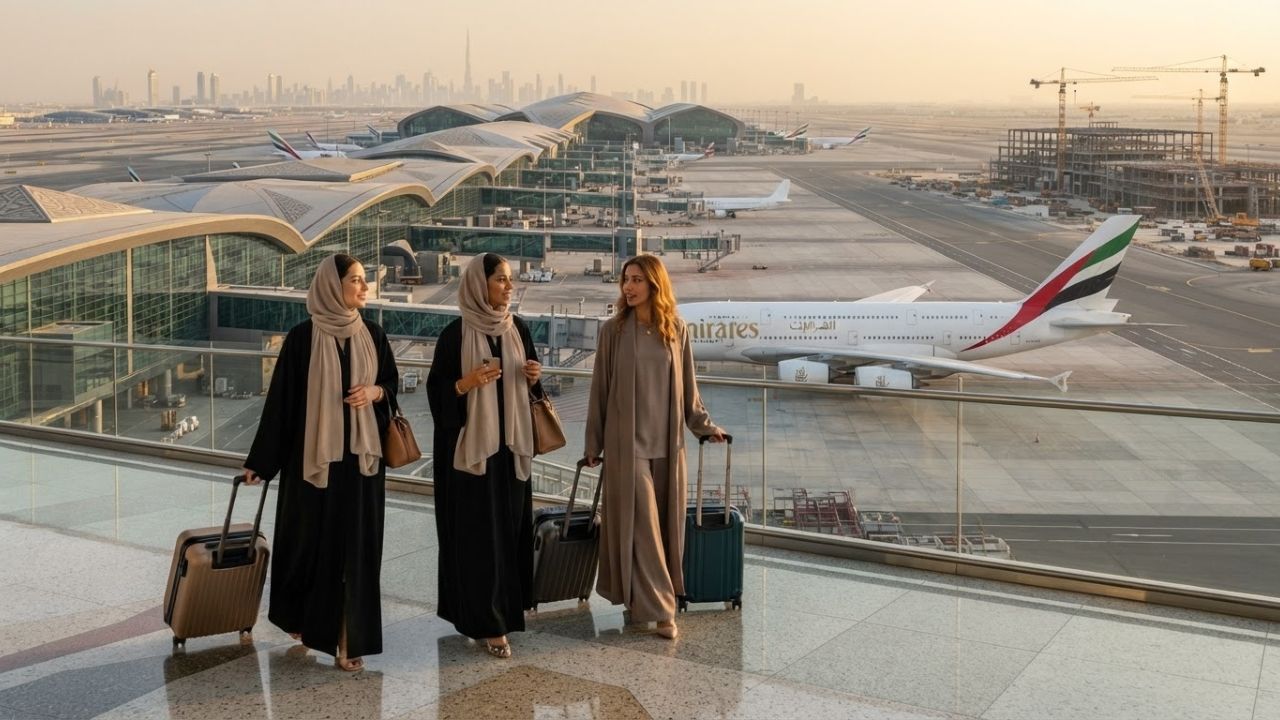
Image generated by AI
Dubai International Airport (DXB), which handled 95.2 million passengers in 2025, is preparing to close commercial operations and shift entirely to Al Maktoum International Airport by 2035. The £28 billion transition will relocate global carriers Emirates and flydubai, creating the world’s largest aviation terminal.
The Disruption Details
A major transition in international aviation is underway as Dubai moves forward with plans to consolidate its flight networks into a single, high-capacity terminal. The decision reflects land and geographical constraints at the current site of DXB, which officially opened on September 30, 1960, with a sand-compacted runway. By the early 2030s, the current infrastructure will reach the end of its operational lifespan, making a single consolidated hub more efficient than upgrading the existing downtown site.
According to development schedules published by Dubai Airports, the transition will begin around 2032 and run gradually over several years, culminating in a complete transfer by 2035. The £28 billion expansion of Al Maktoum International Airport (DWC) in Dubai South will establish a facility designed to handle up to 260 million passengers annually. Once complete, the new airport will cover an area several times larger than DXB and feature five runways alongside approximately 400 aircraft gates.
Flight & Airport Impact Breakdown
The long-term transition will restructure the aviation grid in the United Arab Emirates:
- Airline Fleet Relocations: Emirates and flydubai will migrate their entire networks from DXB to Al Maktoum International Airport.
- Capacity Expansion: Al Maktoum Airport will scale up to five runways and 400 boarding gates to accommodate rising transcontinental flight frequencies.
- Hub Consolidation: All cargo, general aviation, and passenger movements will be centralized at the Dubai South terminal.
- Operational Transition Phase: A multi-year phased relocation beginning in 2032 to minimize schedule cancellations.
Passenger Rights & Advisory (Information Gain & Experience)
For travelers booking flights through Dubai during the multi-year transition, managing connections between the two airports will require careful planning. The distance between DXB and Al Maktoum Airport is approximately 70 kilometers.
Our analysis of the policy suggests the following rules:
- Rerouting and Airport Changes: Under international carriage guidelines enforced by the UAE General Civil Aviation Authority (GCAA), if an airline changes your arrival airport from DXB to Al Maktoum (DWC) after booking, you have the right to a full ticket refund or a free transfer to a remaining flight to DXB.
- Ground Transportation Rights: If the airline modifies the schedule and lands at DWC instead of DXB, they must arrange and pay for ground transit (such as coach or shuttle transfers) between the two airports.
- Self-Transfer Connect Warning: If you book separate tickets that require transferring between DXB and DWC, you must allow a minimum connection time of at least 3.5 hours. This buffer is necessary to clear immigration, retrieve baggage, complete the 70 km road transfer, and check in for the next segment.
- Flight Status Monitoring: Real-time departures and potential schedule adjustments during the early phases of the airport transition can be verified via the FlightAware flight tracking metrics.
Industry Analyst View
Consolidating Dubai's aviation assets at Al Maktoum Airport represents a long-term strategy to protect the emirate's transit hub hegemony. The central location of DXB has prevented the addition of new runways, making it difficult to increase aircraft gate capacity.
By building a new aviation city in Dubai South, the emirate can absorb the growing passenger volume passing through the Middle East. While operating two separate airports during the transition phase will create coordination challenges for airlines, the unified hub will ultimately streamline passenger connections and lower operating costs per seat-mile.
Related Travel Guides
Disclaimer
This article is for informational and educational purposes only. It does not constitute legal, financial, or professional advice. While we strive to provide accurate and up-to-date information, travel policies, regulations, and conditions change rapidly. Always verify information with official sources before making travel decisions. Nomad Lawyer makes no representations about the accuracy, reliability, completeness, or suitability of the information provided. Readers should consult qualified professionals for advice specific to their circumstances. The views expressed in this article are those of the author and do not necessarily reflect the views of Nomad Lawyer.
Kunal K Choudhary
Co-Founder & Contributor
A passionate traveller and tech enthusiast. Kunal contributes to the vision and growth of Nomad Lawyer, bringing fresh perspectives and driving the community forward.
Learn more about our team →