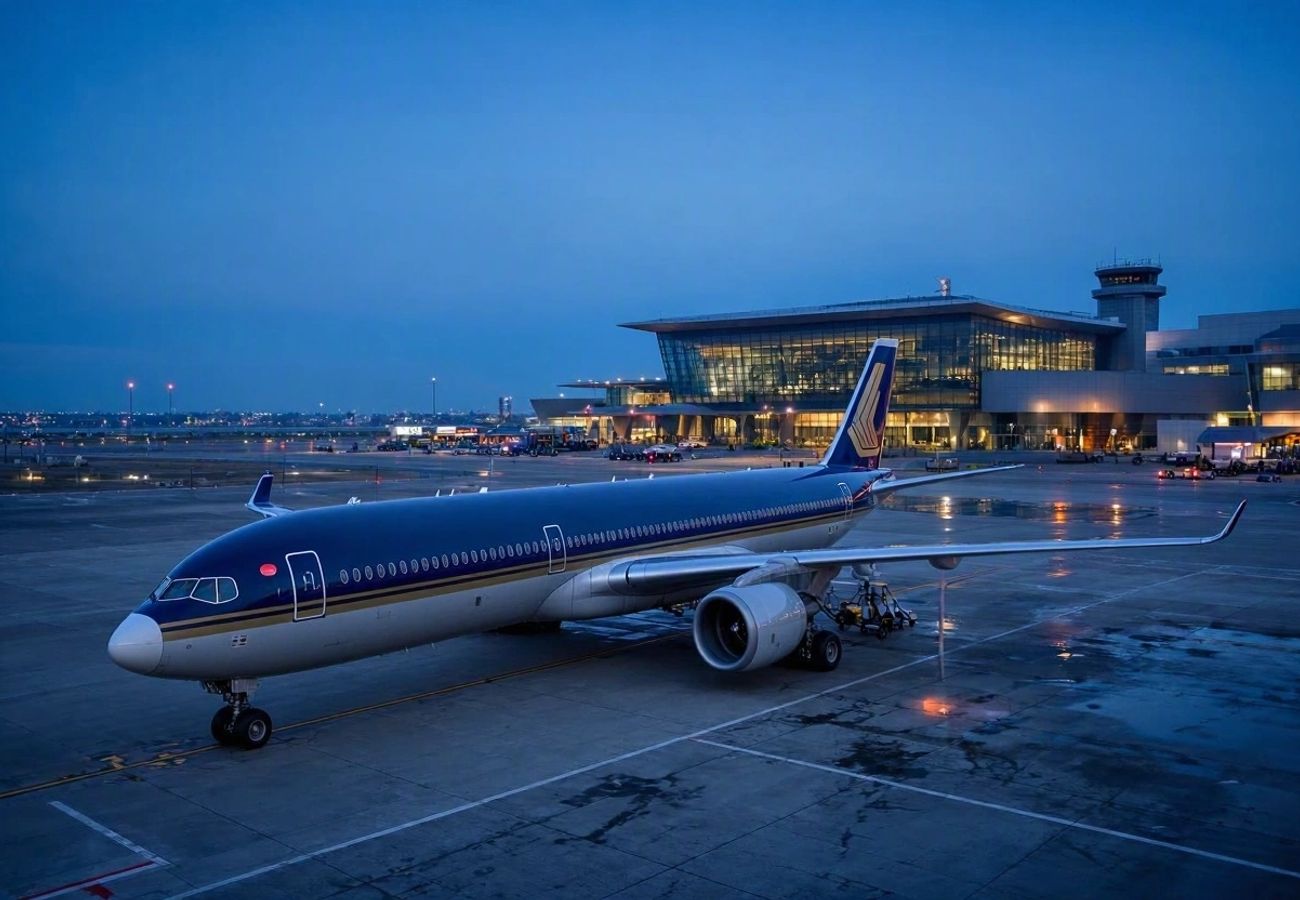
Dubai International Airport Deploys Next-Gen Scanners to End Security Tray Hassles

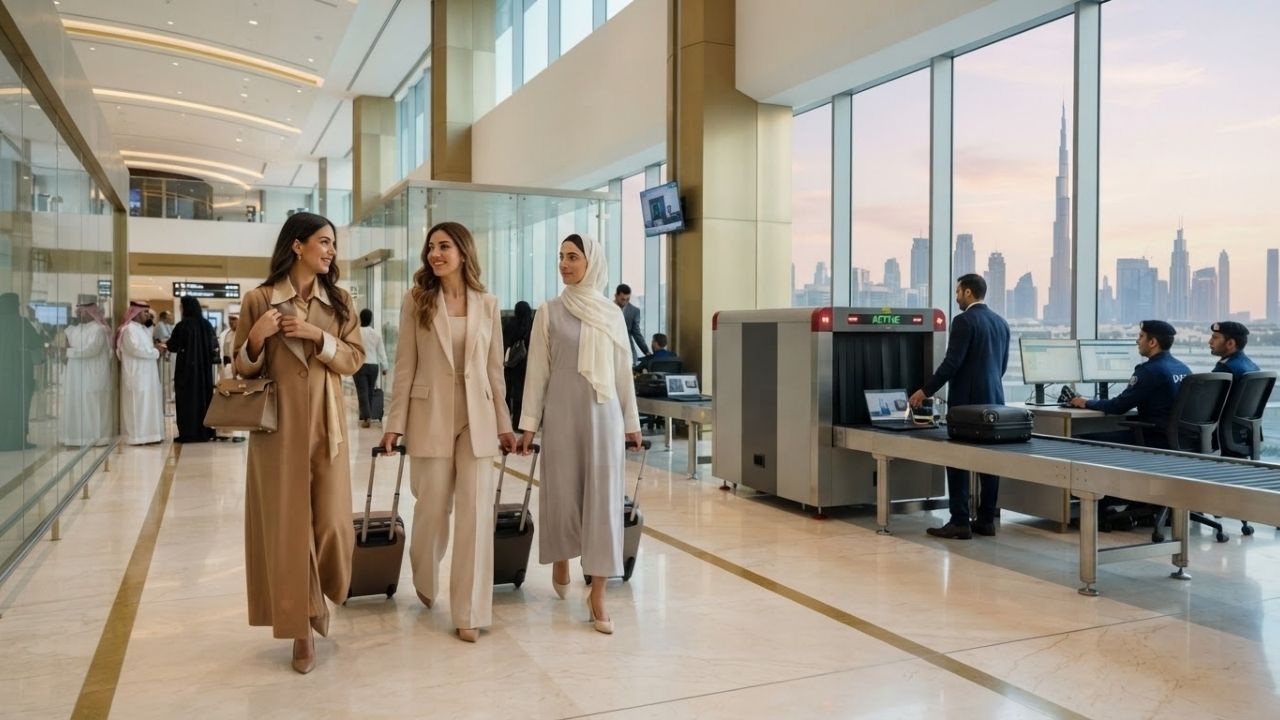
Image generated by AI
Dubai International Airport has launched a major security modernization program, deploying advanced computed tomography scanners across its departure checkpoints. The state-of-the-art technology eliminates the need for passengers to remove laptops, electronic devices, liquids, and shoes from carry-on luggage during pre-flight screening.
Automated Screening and Progressive Upgrades at DXB
[DUBAI, United Arab Emirates] — Dubai International Airport (DXB) has officially rolled out next-generation security screening technology across its passenger terminals, ending decades of tedious tray preparation at security checkpoints. The modernization initiative follows extensive operational testing confirmed by Dubai Airports Chief Executive Officer Paul Griffiths, who verified that advanced computed tomography (CT) scanners are being integrated across active security lanes to streamline passenger throughput.
The advanced screening systems utilize 3D multi-dimensional imaging and automated threat-detection software to inspect bag contents non-intrusively. By analyzing dense packing configurations without requiring manual separation of items, the technology speeds up security clearance, eliminating traditional departure hall bottlenecks and reducing queue times for millions of transit travelers.
Following record-breaking traffic of 95.2 million guests in 2025—representing a 3.1 percent annual increase—airport authorities are expanding screening capacity to maintain operational efficiency. The scanner deployment operates under a progressive replacement schedule across all concourses, allowing DXB to handle rising passenger volumes while maintaining international security standards.
Concourse Infrastructure Overhaul and Spatial Redesign
The deployment of automated screening equipment coincides with concurrent physical refurbishments across DXB’s passenger terminals. Airport authorities are executing targeted infrastructure upgrades in high-traffic zones, including Terminal 1 and Concourse B, where crews are installing upgraded flooring, expanded processing lanes, and modernized queue management systems.
Aviation experts emphasize that high-volume transit hubs must pair technological innovation with physical spatial redesign to optimize throughput. Expanding the footprint of security lanes allows DXB to accommodate high-capacity screening machinery while providing wider passenger walkways and improved terminal flow.
These infrastructure projects ensure that passenger processing keeps pace with expanding airline schedules. Upgraded concourse facilities provide travelers with direct access to expanded retail, dining, and relaxation lounges immediately after clearing security inspection.
Impact on International Travellers and Transit Logistics
For international commuters, families, and business travelers, the removal of tray-unpacking requirements significantly reduces pre-flight stress. Passengers no longer need to un-pack laptops, tablets, toiletry bags, aerosols, or footwear into multiple plastic trays, minimizing physical contact and preventing item loss at busy checkpoints.
Compressed screening times allow passengers to spend less time standing in security queues and more time enjoying airport facilities prior to boarding announcements. Reduced physical friction at checkpoints creates a more relaxed environment across departure gates, improving overall travel satisfaction.
However, airport officials advise passengers to remain attentive to lane instructions during the transition period. Because old scanners are being replaced progressively across different concourses, travelers may still encounter legacy screening lanes where manual unpacking remains required.
DXB Traffic Indicators and Security Performance Data
The table below presents key operational indicators, traffic benchmarks, and security throughput data for Dubai International Airport:
| Operational Metric / Traffic Indicator | Reported Data | Performance Context |
|---|---|---|
| Annual Passengers Served | 95.2 million | Record-breaking total recorded in 2025 |
| Annual Passenger Growth Rate | 3.1% increase | Year-over-year operational expansion |
| Total Aircraft Movements | 454,800 flights | Combined annual arrivals and departures |
| Peak Monthly Volume (Dec 2025) | 8.7 million guests | Highest single-month passenger traffic |
| Peak Quarterly Volume (Q4 2025) | 25.1 million guests | Highest quarterly transit throughput |
| Primary Passenger Markets | India (11.9M), KSA (7.5M), UK (6.3M) | Top three international traffic corridors |
| Connected Global Routes | 291 destinations | Active global route network |
| Operating International Carriers | 108 airlines | Scheduled commercial airline partners |
| Concourse Upgrade Zones | Terminal 1 and Concourse B | Active flooring and lane expansion sites |
Strategic Comparison: Legacy Manual Screening versus Next-Gen 3D Systems
The transition to CT scanner technology marks a fundamental shift in airport security management. Legacy 2D X-ray systems relied on flat shadow images, forcing security personnel to request secondary manual bag searches whenever items overlapped inside luggage. To prevent visual obstruction, passengers were required to separate liquids, gels, and large electronics into distinct plastic trays.
In contrast, next-generation 3D scanners produce high-resolution volumetric images that security officers can rotate and inspect digitally. Sophisticated algorithms automatically detect prohibited substances within dense luggage configurations, eliminating redundant manual bag checks and accelerating checkpoint speed.
The table below compares the operational differences between legacy airport screening and DXB’s newly deployed 3D scanner framework:
| Security Feature | Legacy Screening Methodology | Next-Gen 3D CT Scanner Framework |
|---|---|---|
| Laptop / Electronics Handling | Manual removal into separate trays required | Remains inside carry-on luggage |
| Liquid & Aerosol Inspection | Isolated in clear plastic bags | Kept inside baggage; analyzed digitally |
| Footwear Removal | Mandatory removal at select checkpoints | Non-intrusive scanning reduces shoe removal |
| Imaging Technology | Flat 2D X-ray shadow projection | High-resolution 3D volumetric CT imaging |
| Bag Inspection Speed | Slow, prone to manual secondary searches | Accelerated throughput via automated algorithms |
| Checkpoint Queue Friction | High queue bottlenecks and tray clutter | Streamlined, continuous bag movement |
Destination Insider Guidelines for Dubai Visitors
Travelers passing through DXB and exploring the United Arab Emirates can maximize their trip by keeping these practical recommendations in mind:
- Observe Checkpoint Signs: Follow specific lane instructions at DXB terminals, as legacy and upgraded 3D scanner lanes operate concurrently during the transition.
- Respect Local Customs: Dress modestly in public spaces, shopping centers, and government offices by keeping shoulders and knees covered.
- Select Optimal Visit Windows: Plan leisure travel between November and February to enjoy comfortable outdoor weather and avoid extreme summer heat.
- Explore Historic Districts: Take a traditional Abra water taxi across Dubai Creek for 1 AED to visit the historic Gold and Spice Souks in Deira.
- Sample Authentic Local Cuisine: Try traditional dishes such as Harees (slow-cooked wheat and meat) and Luqaimat (sweet date-syrup dumplings).
Why This Matters for Passengers and International Travellers
For global travelers, the deployment of 3D CT scanners at DXB sets a new benchmark for hassle-free airport transit. Removing the requirement to unpack laptops and liquids eliminates the primary cause of security line delays, saving precious time during tight flight connections. As DXB processes over 95 million guests annually, these automated screening lanes ensure that passenger flow remains smooth without compromising international safety standards. Travelers flying through Dubai can look forward to a faster, less intrusive checkpoint experience that lets them proceed directly to departure lounges and boarding gates.
Frequently Asked Questions
Do I still need to remove my laptop and liquids at Dubai International Airport?
In security lanes equipped with next-generation CT scanners, passengers can leave laptops, tablets, and liquids inside their carry-on bags. However, because equipment is being rolled out progressively, travelers should follow specific staff instructions at individual checkpoints.
Does the new security technology change the 100ml liquid limit rules?
Standard international liquid regulations, including the 100ml limit per container inside carry-on baggage, remain active unless specified otherwise by local aviation authorities. The new scanners allow compliant containers to stay inside your bag during inspection.
Which terminals at DXB are undergoing security and physical upgrades?
Security scanner upgrades and physical concourse refurbishments are taking place progressively across all terminals, with major processing lane and flooring expansions actively underway in Terminal 1 and Concourse B.
Related Travel Guides
- Nice Airport Adds 10 Routes, Boston Service: 130 Destinations Across 47 Countries Summer 2026
- Breaking Airline News: Unprecedented Flight Cancellations Sweep the Middle East as Global Airlines Execute Massive Restructuring, Sparking Travel Chaos
- Aviation Updates: Massive Boston Logan Airspace Failure Triggers Terrifying Travel Chaos as Delta Flight 2351 Executes Emergency Go-Around
This article is for informational purposes. Flight routes, passenger regulations, visa rules, and transit advisories are subject to change by airlines and aviation authorities. Readers are advised to verify schedules and travel documentation with relevant carriers and border agencies before departure.
Related Stories
American Airlines Issues Profit Warning as Fuel Costs Surge: What It Means for 2027 International Travelers

Mumbai's Dual-Airport Era: Airlines Prepare to Shift 5 Million International Passengers to Navi Mumbai