
Dry Tourism Movement Expands: Japan, Iceland, Switzerland, and New Zealand Pioneer Alcohol-Free Travel

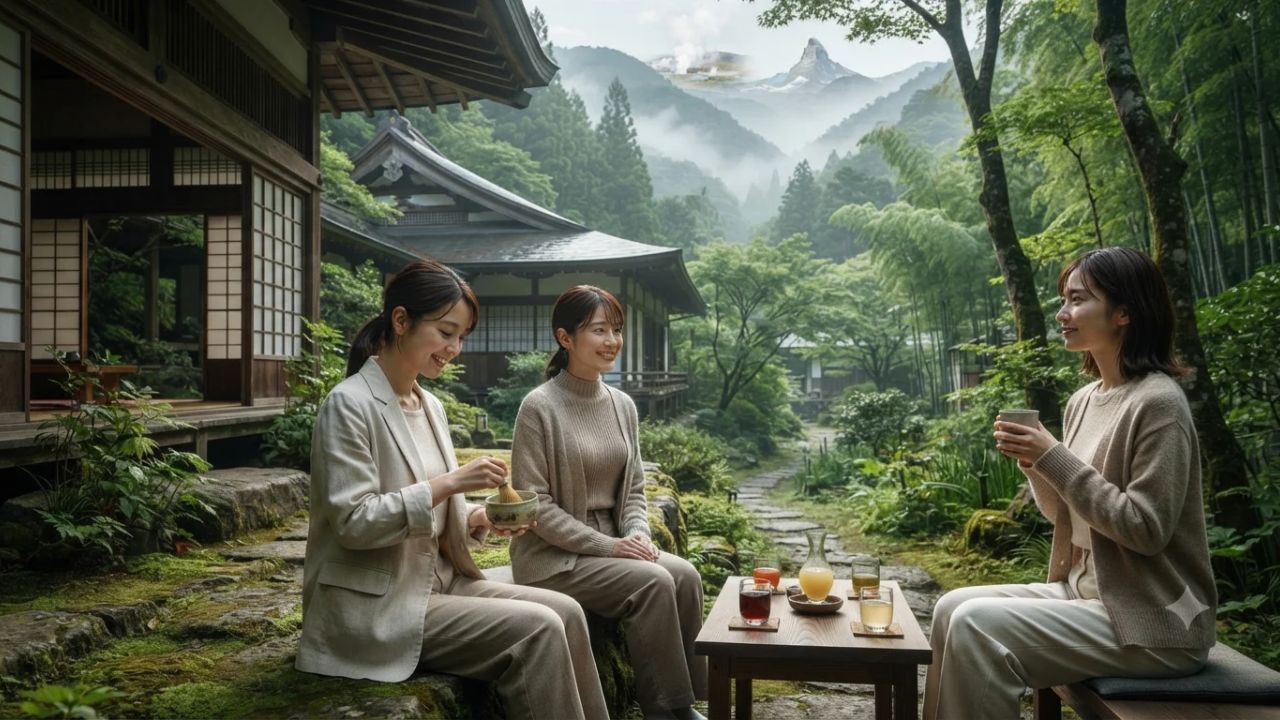
Image generated by AI
With global non-alcoholic beverage revenues surpassing $13 billion and demographic studies revealing that nearly 40 percent of millennial and Gen-Z travelers actively minimize alcohol on holiday, a coalition of nations led by Japan, Iceland, Switzerland, and New Zealand is pioneering structured "dry tourism" itineraries. Rejecting traditional all-inclusive open bars and nightlife party strips, this international travel movement prioritizes deep circadian sleep, cellular metabolic recovery, and intentional cultural immersion over the fatigue and physical haze of holiday overindulgence.
The Post-Party Vacation Paradigm: How Sober Curiosities Reshaped Global Hospitality
For decades, the global vacation industry treated alcohol consumption as an indispensable pillar of leisure travel. Resort hospitality models were engineered around poolside cocktail packages, airport duty-free promotions, and nightlife pub crawls. However, accelerating societal awareness around sleep hygiene, mental health, and physical longevity has triggered a profound behavioral shift documented by the Global Wellness Institute. Travelers increasingly refuse to spend costly vacation days recovering from hangovers, viewing vacation time as a rare opportunity to recalibrate exhausted nervous systems.
This consumer evolution has given rise to dry tourism—an operational framework where travel providers, hoteliers, and destination management organizations design completely alcohol-free travel environments. Rather than viewing sobriety as an exercise in deprivation, dry tourism celebrates sensory presence, mental acuity, and uncompromised physical vitality.
From geothermal soaking rituals in the sub-Arctic to high-altitude circadian retreats in the Alps, forward-thinking national tourism boards recognize that offering verified alcohol-free sanctuaries gives them a distinct competitive advantage. By removing intoxication from the hospitality equation, destinations attract health-conscious, high-spending travelers who invest heavily in premium wellness therapies, guided wilderness expeditions, and authentic culinary heritage.
National Case Studies: Japan, Iceland, Switzerland, and New Zealand
Four distinct nations have established benchmark models demonstrating how diverse geographical and cultural assets can anchor alcohol-free travel.
Japan anchors its dry tourism appeal in centuries-old contemplative traditions promoted through the Japan National Tourism Organization (JNTO). Traditional Japanese tea ceremonies (chado) serve as sophisticated masterclasses in sensory presence, replacing conventional wine tastings with single-origin matcha and fermented green teas. Travelers increasingly seek out monastic temple lodgings (shukubo) in sacred regions like Mount Koya, immersing themselves in pre-dawn meditation chanting and vegetarian monastic dining (shojin ryori). These structured spiritual routines reduce cortisol levels and establish mental clarity without pharmacological stimulants.
In Iceland, restorative travel centers on geothermal hydrotherapy and raw wilderness isolation. Under promotional initiatives highlighted by the Visit Iceland Official Portal, travelers utilize mineral-rich natural geothermal baths to reset the sympathetic nervous system. In the culinary capital of Reykjavík, fine-dining restaurants have introduced elaborate craft non-alcoholic beverage pairings, utilizing fermented arctic botanicals, birch sap infusions, and wild berries that match the complexity of traditional cellar lists.
Switzerland has reimagined its historic alpine sanatorium heritage into high-altitude sleep sanctuaries. Luxury retreats across the Swiss Alps banish alcohol entirely, stripping minibars of commercial spirits to install adaptogenic herbal sleep tonics, circadian lighting arrays, and cryogenic cold plunges. Guided by destination frameworks aligned with Switzerland Tourism, guests undergo intensive metabolic resets combining rigorous mountain trekking with clinical sleep tracking.
New Zealand champions sober-social travel through high-octane wilderness exploration. By packaging glacial mountaineering, fjord kayaking, and rugged backcountry cycling, travel operators generate natural endorphin highs that render evening drinking unnecessary. Guided groups foster supportive campfire camaraderie, reinforced by indigenous Māori-led eco-tours that emphasize Kaitiakitanga (guardianship of nature) and wild botanical foraging.
| Destination | Primary Wellness Mechanism | Core Alcohol-Free Experience | Health & Physiological Benefit | Target Traveler Segment |
|---|---|---|---|---|
| Japan | Meditative monastic routines | Temple stays (shukubo), tea ceremonies, shojin ryori | Cortisol reduction, mindful presence, mental clarity | Solitary travelers, cultural purists, burnout recovery guests |
| Iceland | Geothermal hydrotherapy | Thermal lagoons, glacial silent hikes, botanical mixology | Nervous system reset, improved circulation, digital detox | Couples, creative professionals, clean-living gastronomes |
| Switzerland | Alpine circadian alignment | Alcohol-free mountain sanatoriums, cold-water therapy | Deep REM sleep restoration, metabolic recalibration | Executive wellness travelers, biohackers, longevity seekers |
| New Zealand | High-adrenaline wilderness | Backcountry fjord kayaking, glacial trekking, Māori tours | Endorphin activation, community connection, physical stamina | Active outdoor adventurers, sober-social groups, eco-travelers |
Expert Analysis: Minibar Disruption, F&B Yield Re-Engineering, and Circadian Health
The commercial rise of dry tourism forces a fundamental restructuring of hospitality revenue management and food-and-beverage accounting.
For travelers booking this route, the direct consequence is access to curated, high-vibrancy environments where peer pressure to consume alcohol is entirely absent. Travelers no longer have to navigate awkward social negotiations at hotel dining tables or settle for sugary, uninspired soft drinks. In dry-certified resorts, non-alcoholic mixology is elevated to an art form, featuring distilled zero-proof botanicals, adaptogenic mushrooms, and cold-pressed botanical extractions designed to promote relaxation and deep sleep without intoxication.
The pricing pressure this creates means hospitality operators must re-engineer their profitability models. Traditionally, alcoholic beverages generated hotel profit margins exceeding 70 percent, subsidizing lower kitchen food margins. To offset the loss of alcohol sales, luxury resorts are introducing premium wellness surcharges, bundling thermal bath circuits, biohacking diagnostics, and guided mindfulness sessions into all-inclusive nightly tariffs. Furthermore, high-end non-alcoholic cocktail pairings are priced competitively alongside traditional vintage wine pairings, allowing operators to preserve beverage yields while catering to health-conscious diners.
On the risk management front, alcohol-free itineraries deliver notable insurance and safety benefits. Underwriters operating travel health insurance policies record significantly fewer accidental injury claims, nighttime emergency room admissions, and lost property reports among participants enrolled in dry wellness retreats. By eliminating alcohol-induced sleep fragmentation, travelers maximize recovery, returning to professional routines genuinely rested rather than requiring a post-vacation recuperation period.
Key Takeaways
- Global Dry Tourism Momentum: Driven by shifting consumer values and health consciousness, dry tourism replaces traditional bar culture with holistic wellness and mental clarity.
- Japan's Meditative Heritage: Travelers embrace temple stays, early morning monastic chanting, and sacred tea ceremonies to achieve profound stress reduction without alcohol.
- Iceland's Geothermal Reset: Sub-Arctic hot springs and sophisticated zero-proof culinary pairings establish Iceland as a premier destination for neurological recovery.
- Swiss Circadian Sanctuaries: High-altitude Alpine hotels banish alcohol in favor of adaptogenic night elixirs, cold plunges, and targeted clinical sleep therapies.
- New Zealand Sober Adventure: Endorphin-driven backcountry expeditions and Māori storytelling prove that physical challenge and outdoor camaraderie provide powerful holiday highs.
FAQ: Dry Tourism and Alcohol-Free Travel 2026
What is dry tourism?
Dry tourism refers to vacation travel and leisure itineraries that intentionally eliminate alcohol, focusing instead on mental wellness, restorative sleep, zero-proof dining, and immersive physical activities in an alcohol-free environment.
Why are travelers choosing alcohol-free holidays?
Modern travelers choose dry tourism to avoid holiday hangovers, improve physical stamina, experience authentic cultural mindfulness, and achieve uninterrupted sleep cycles that genuinely restore their energy.
What do dry resorts serve instead of alcohol?
Dry resorts offer sophisticated zero-proof beverage programs featuring steam-distilled botanicals, adaptogenic herbal tonics, cold-pressed botanical infusions, kombuchas, and specialized tea pairings that complement gourmet dining.
Can solo travelers find sober community trips?
Yes. Tour operators in destinations like New Zealand and Iceland organize dedicated group expeditions for sober travelers, fostering supportive campfire camaraderie through shared outdoor challenges like hiking, kayaking, and foraging.
[By proving that true rejuvenation requires clear consciousness rather than chemical escape, the dry tourism movement redefines luxury as the ultimate gift of physical vitality and mental peace.]
Related Travel Guides
Disclaimer
This article is for informational and educational purposes only. It does not constitute legal, financial, or professional advice. While we strive to provide accurate and up-to-date information, travel policies, regulations, and conditions change rapidly. Always verify information with official sources before making travel decisions. Nomad Lawyer makes no representations about the accuracy, reliability, completeness, or suitability of the information provided. Readers should consult qualified professionals for advice specific to their circumstances. The views expressed in this article are those of the author and do not necessarily reflect the views of Nomad Lawyer.
Naina Thakur
Contributor & Travel Specialist
Travel enthusiast and legal writer covering visa regulations, responsible tourism, and cultural journeys across global destinations.
Learn more about our team →