
China's Big Three Airlines Report 8.2 Billion Yuan H1 Losses
Air China, China Eastern, and China Southern Airlines face another year of H1 losses totaling 8.2 billion yuan due to surging fuel costs and typhoons.

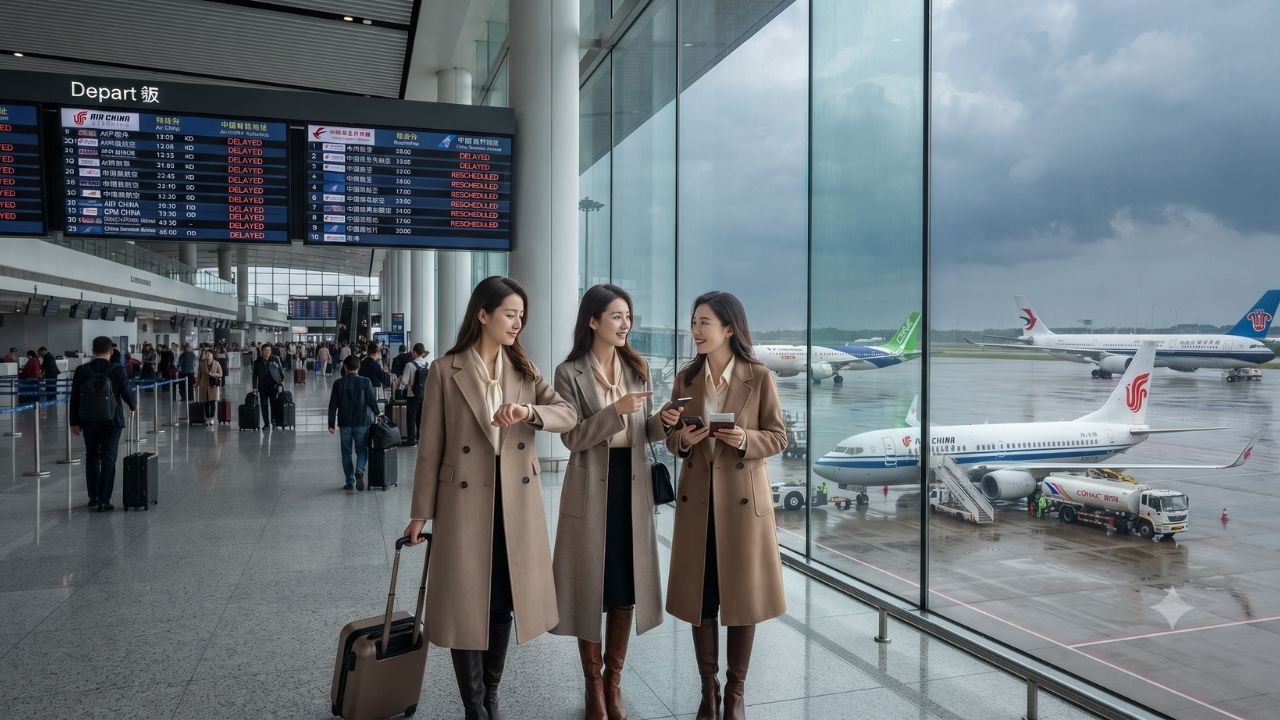
Image generated by AI
China's three largest state-owned airlines reported a combined first-half net loss of approximately 8.2 billion yuan for 2026, driven by surging unhedged fuel costs and typhoon disruptions during the peak summer travel season.
The Local Trend: Balancing Surging Costs Against Price-Sensitive Markets
Operating expenses have outpaced income for China's "Big Three" state-owned carriers—Air China, China Eastern Airlines, and China Southern Airlines. Despite revenue growth of 10.5% at Air China, 11.1% at China Eastern, and 9.7% at China Southern, the group recorded another year of net losses. This performance reverses a strong first quarter in 2026, when the three airlines generated a combined profit of 4.82 billion yuan, supported by heavy Lunar New Year demand.
A major driver of these losses was the rising cost of aviation fuel, which increased by 35% to 38% across the carriers. Unlike many international operators, Chinese airlines make limited use of fuel hedging. This exposure means that oil price volatility, exacerbated by regional conflict in the Middle East, affects operating expenses directly, keeping jet fuel prices more than 50% above levels recorded before the recent energy market spikes.
Domestic Competition and Weather Disruptions
The airlines face different challenges in the domestic market, where price-sensitive travelers are turning to high-speed rail systems and self-drive road trips. This competition prevents airlines from raising domestic fares without risking a drop in passenger numbers, contrasting with international markets where carriers have successfully raised ticket prices.
Operational challenges increased during the summer travel peak. An unusually active season saw 21 typhoons form across the northwestern Pacific Ocean and South China Sea—9 above the historical average. The resulting cancellations and airport delays disrupted flight schedules during July and August. The carriers were projected to transport 142 million domestic and international passengers during this period, representing a year-on-year decline of 3.6% and marking the first summer decline since 2022.
China's Big Three Airlines Financial and Operational Metrics (2025 vs. 2026)
| Carrier / Financial Metric | H1 2025 Net Loss | H1 2026 Net Loss | H1 2026 Revenue Growth | Domestic C919 Fleet Count (2026) |
|---|---|---|---|---|
| Air China | 1.81 Billion Yuan | 2.30 Billion Yuan | 10.5% growth | 11 aircraft (added 2 in H1) |
| China Eastern Airlines | 1.43 Billion Yuan | 2.20 Billion Yuan | 11.1% growth | 17 aircraft (added 3 in H1) |
| China Southern Airlines | 1.53 Billion Yuan | 3.70 Billion Yuan | 9.7% growth | 11 aircraft (added 3 in H1) |
| Combined Group Totals | 4.77 Billion Yuan | 8.20 Billion Yuan | N/A | 39 aircraft in operation |
| Q1 2026 Combined Profit | N/A | 4.82 Billion Yuan (profit) | N/A | Driven by Lunar New Year traffic |
| 2026 Full-Year Forecast | N/A | 16.80 Billion Yuan (loss) | N/A | Reverses earlier 1.3B yuan profit hope |
Domestically Manufactured Fleet Integration
Despite the financial pressures, the airlines continue to expand their fleets of domestically manufactured COMAC C919 aircraft. China Eastern increased its C919 fleet to 17 planes after receiving 3 deliveries, while Air China and China Southern each operated 11 C919s after taking delivery of 2 and 3 aircraft respectively during the first half of the year.
However, capital expenditure adjustments have led China Eastern to reduce its expected C919 deliveries between 2026 and 2028 by 13 aircraft compared with previous forecasts. Air China has maintained its earlier delivery target, while China Southern has not published an updated target.
Destination Specialist Local Insider Tips
To help travelers navigate the regional aviation market, local specialists recommend the following insider tips:
- Compare High-Speed Rail Schedules for Short Routes: For journeys under 4 hours (such as Beijing to Shanghai), the high-speed rail is often faster and more reliable than flying.
- Monitor Typhoon Advisories in July and August: Peak summer travel coincides with the active typhoon season; verify airline weather policies before booking.
- Utilize International Hub Rerouting: When traveling to Europe, look for Chinese carriers that offer competitive rates due to Middle Eastern airspace adjustments.
- Book Flights Early During Lunar New Year: Holiday periods generate huge demand spikes; secure reservations months in advance to avoid peak rates.
- Fly Domestically Manufactured Routes: If you are an aviation enthusiast, check scheduled routes between major hubs to experience the new COMAC C919 aircraft.
Future Outlook
The slow summer season has altered profitability forecasts. Analysts expect the three carriers to record a combined full-year loss of 16.80 billion yuan, reversing earlier market expectations of a 1.30 billion yuan profit. This has affected investor sentiment, with Shanghai-listed shares of the three airlines falling by at least 36% in 2026. Managing fuel volatility and rail competition remains central to the long-term stabilization of the Chinese aviation sector.
Related Travel Guides
Disclaimer
This article is for informational and educational purposes only. It does not constitute legal, financial, or professional advice. While we strive to provide accurate and up-to-date information, travel policies, regulations, and conditions change rapidly. Always verify information with official sources before making travel decisions. Nomad Lawyer makes no representations about the accuracy, reliability, completeness, or suitability of the information provided. Readers should consult qualified professionals for advice specific to their circumstances. The views expressed in this article are those of the author and do not necessarily reflect the views of Nomad Lawyer.
Preeti Gunjan
Contributor & Community Manager
A passionate traveller and community builder. Preeti helps grow the Nomad Lawyer community, fostering engagement and bringing the reader experience to life.
Learn more about our team →