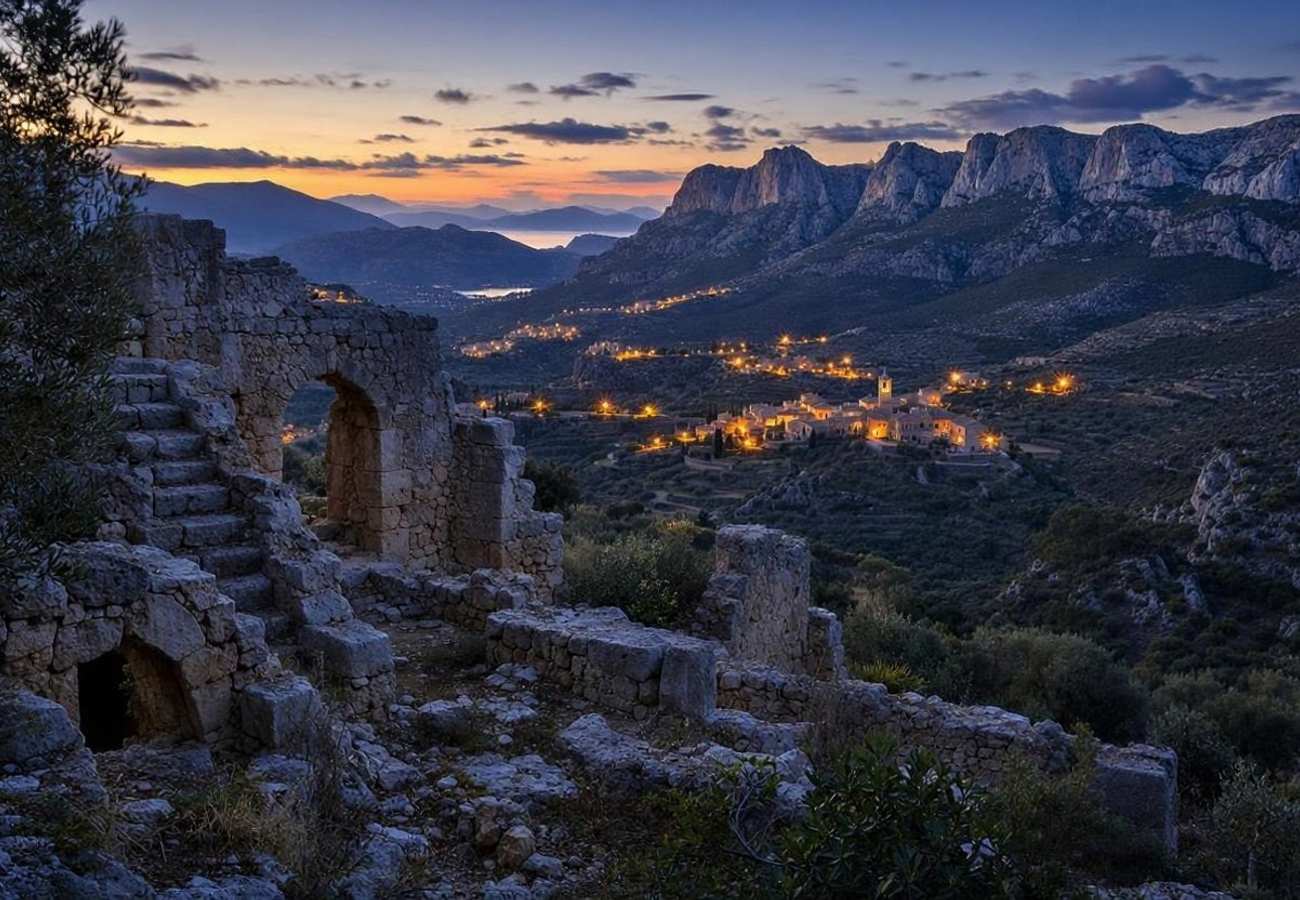
Dominican Republic Diversifies Tourism Beyond Punta Cana: New 2026 Inland Growth Trends

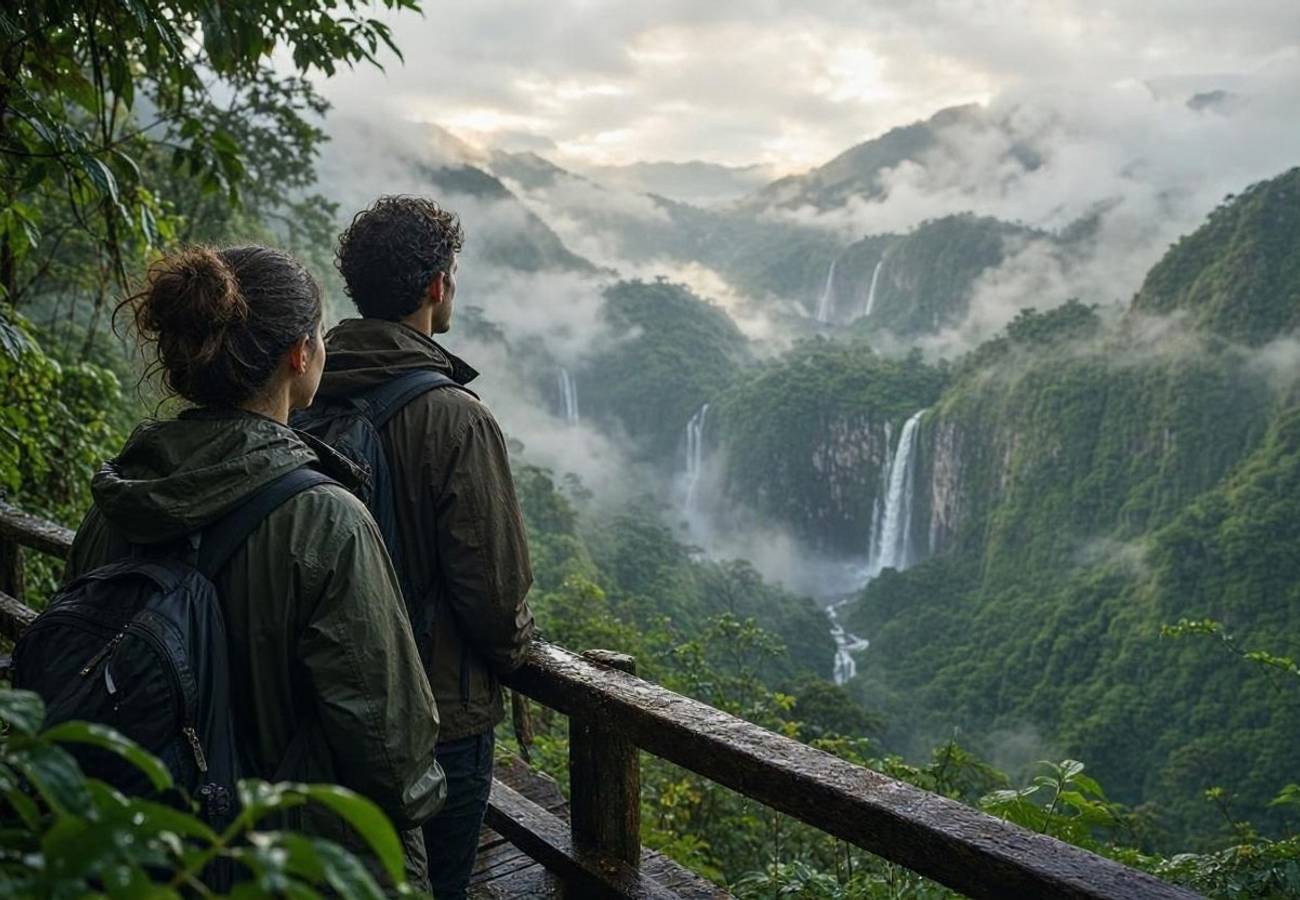
Image generated by AI
While Punta Cana has historically dominated the Caribbean's resort market share, 2026 data indicates a significant shift toward "diversified itineraries," with inland destinations like Jarabacoa and Constanza seeing increased visitor interest as travelers move away from all-inclusive isolation. This movement signals a broader regional trend where high-volume sun-and-sand destinations are being supplemented by high-value cultural and adventure hubs to increase the average length of stay.
The Diversification Shift in Numbers
The Dominican Republic is aggressively repositioning itself to capture the "adventure and heritage" segment of the market. By promoting the interior—specifically the central highlands and the capital—the country is attempting to decouple its tourism revenue from the seasonal volatility of beach resorts.
The strategic focus has shifted toward several key hubs:
- Santo Domingo: The capital is leveraging its status as the oldest European settlement in the Americas to attract urban explorers. The Colonial City, featuring the Catedral Primada de América and Fortaleza Ozama, serves as the anchor for this growth.
- The Central Highlands: Jarabacoa and Constanza are emerging as the "cool-climate" alternatives to the coast. Jarabacoa is now a primary node for rafting and canyoning, while Constanza is being marketed for its agricultural landscapes and rural retreats.
- The Northern Coast: Puerto Plata and Cabarete are splitting their market focus between heritage tourism (Fortaleza San Felipe) and high-performance water sports like kitesurfing.
- Samaná: This region is capitalizing on biological diversity, specifically the humpback whale migration between January and March, and the trek to El Limón Waterfall.
Regional Market Comparison: Coastal vs. Inland
The shift in traveler behavior is evident when comparing the "Resort Model" (Punta Cana/La Romana) against the "Exploration Model" (Samaná/Jarabacoa). While coastal areas prioritize luxury and leisure, the inland regions are seeing a rise in "active" tourism metrics.
According to data from the World Tourism Organization (UNWTO), there is a global increase in demand for sustainable and community-based tourism, a trend the Dominican Republic is mirroring by promoting local gastronomy in La Vega and Bonao.
| Destination | Primary Market Driver | Key Infrastructure/Attraction | Target Traveler Profile |
|---|---|---|---|
| Punta Cana | Mass Leisure | All-Inclusive Resorts | Vacationers / Families |
| Santo Domingo | Urban Heritage | Colonial Zone / Museums | History Buffs / Digital Nomads |
| Jarabacoa | Adventure | Pico Duarte / Salto Baiguate | Hikers / Adrenaline Seekers |
| Samaná | Ecotourism | Humpback Whale Watching | Nature Photographers |
| Cabarete | Active Sports | Windsurfing / Kitesurfing | Athletes / Solo Travelers |
| Constanza | Agritourism | Highland Valleys | Slow Travel Enthusiasts |
What This Means for Travelers
For the individual traveler, this diversification means that the "standard" Dominican holiday is no longer the only viable option. However, the shift from resorts to the interior requires a change in booking logistics.
1. Logistics and Transport: Unlike the seamless shuttle services of Punta Cana, visiting Jarabacoa or Constanza requires independent transport or specialized guided excursions. If you are planning a highland trip, renting a 4x4 vehicle is highly recommended due to the mountainous terrain.
2. Seasonal Timing: To maximize the diversification trend, time your visit for February to experience the Carnival celebrations in La Vega and Santiago. For wildlife enthusiasts, the window for Samaná’s whale watching is strictly January through March.
3. Booking Windows: As boutique hotels in the interior (particularly in Jarabacoa and Samaná) have lower inventory than the massive resorts of the east coast, booking 12-16 weeks in advance is now essential for the peak winter season.
4. Gastronomic Exploration: Travelers should venture beyond resort buffets to find authentic dishes like sancocho and la bandera dominicana in regional hubs like Bonao, which offers a more accurate representation of Dominican culture.
Forward Projection: The 2027 Trajectory
Based on current movement, the Dominican Republic is likely to see a rise in "hybrid packages"—tours that combine three days of beach relaxation with four days of inland exploration. We expect to see increased investment in infrastructure connecting Santo Domingo to the central mountains to facilitate this flow.
The growth of the International Air Transport Association (IATA) reported trends in "secondary city" arrivals suggests that the DR may eventually seek to increase direct international flights into airports closer to the northern and central regions, reducing the reliance on the Santo Domingo and Punta Cana gateways.
FAQ: Dominican Republic Inland Trends 2026
Is it safe to travel to the interior of the Dominican Republic? Yes, provided you use reputable guides and stick to established tourist routes in Jarabacoa, Constanza, and Samaná. Always verify local conditions and use licensed transport providers.
Which region is best for those avoiding crowds? Constanza offers the most secluded experience, focusing on rural landscapes and agricultural tourism, far removed from the high-density resort zones of the coast.
When is the best time to visit for cultural events? February is the optimal month, as it coincides with the national Carnival, featuring the most intense celebrations in La Vega and Santo Domingo.
Do I need a guide for the waterfalls in Jarabacoa? While some paths are clear, hiring a local guide for Salto de Jimenoa or Salto Baiguate is strongly advised for safety and to support the local economy.
The Caribbean is evolving from a collection of beaches into a complex map of mountain peaks and colonial archives.
Related Travel Guides
This article is for informational purposes. Flight routes, passenger regulations, visa rules, and transit advisories are subject to change by airlines and aviation authorities. Readers are advised to verify schedules and travel documentation with relevant carriers and border agencies before departure.
Related Stories

Phuket Luxury Tourism Surge 2026: High-Net-Worth Arrivals and New Aviation Routes
Mexico Ecotourism Market Projected to Hit USD 9.29 Billion by 2034 as Green Travel Surges