
Disney Dream Celebrates 15 Years: Ship Expansion Sets New Family Cruise Standard
Disney Dream marks 15 years afloat with expanded sailing routes in 2026, proving legacy cruise vessels can compete with mega-ships through strategic itinerary innovation.

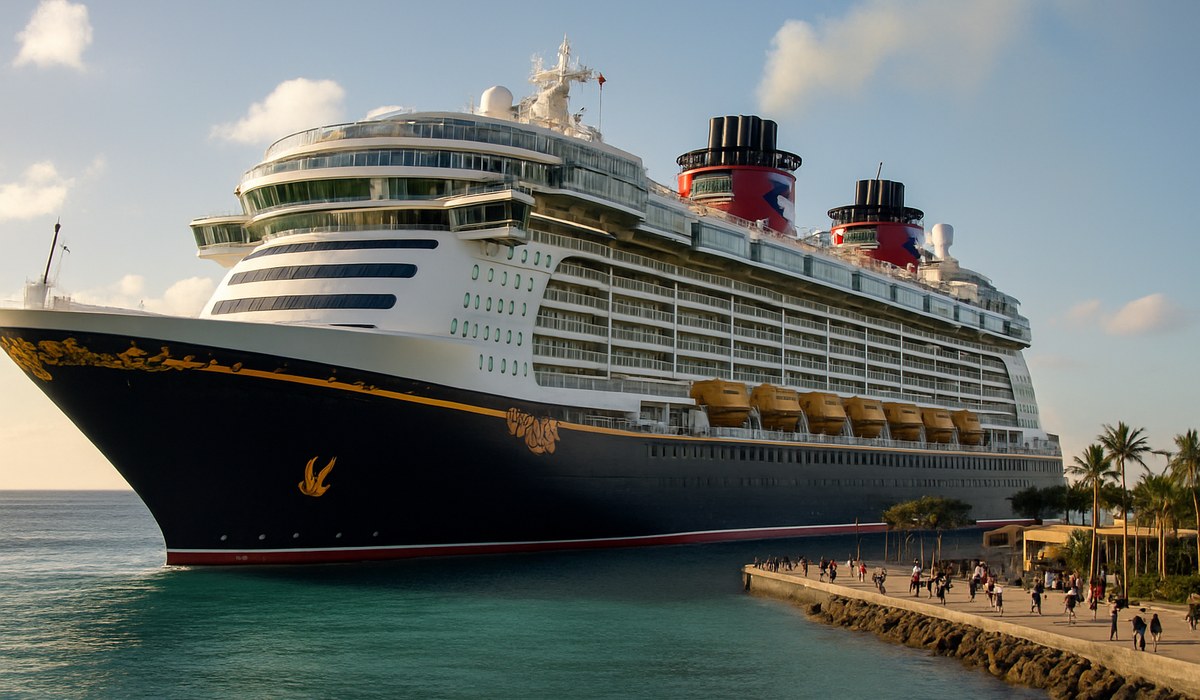
Image generated by AI
**> Quick Summary
• Disney Dream reaches 15-year operational milestone with expanded route offerings from Port of Miami • Legacy 130,000-gross-ton vessel competes through experiential upgrades rather than size battles • New itinerary diversification includes Caribbean variations targeting multi-generation family bookings • Anniversary sailing packages offer value positioning against newer but pricier mega-ship alternatives**
When Disney Dream first sailed in 2011, the cruise industry looked nothing like today's floating resort landscape—yet this 15-year veteran is proving that classic ships can still command premium bookings through strategic route expansion and experiential upgrades. The vessel's anniversary arrives as family cruise operators navigate intensifying competition from billion-dollar new builds, forcing legacy ships to demonstrate enduring value through itinerary innovation rather than sheer scale.
Disney Cruise Line's decision to broaden the ship's sailing schedule signals a broader industry shift. Rather than relegating older vessels to secondary routes, operators are reimagining how established ships can anchor premium market positions. The Disney Dream expansion capitalizes on name recognition and proven family appeal while newer competitors struggle with operational debugging and market positioning uncertainties.
Disney Dream's 15-Year Journey: From Launch to Legacy Status
Disney Dream entered service as the third vessel in Disney Cruise Line's fleet, representing a significant capacity expansion for the Mickey Mouse-branded operator. Built at Meyer Werft's German shipyard, the 130,000-gross-ton ship carries 4,000 passengers across 1,250 staterooms. Its maiden voyage departed from Port Canaveral, establishing what would become one of the most profitable routes in the family cruise segment.
Over its operational lifespan, the vessel has transported approximately three million passengers. Industry analysts note that Disney Dream maintains occupancy rates consistently above 95 percent—remarkable for a ship approaching two decades of service. According to Cruise Lines International Association data, vessels older than ten years typically see occupancy decline by 8-12 percentage points as newer ships with enhanced amenities capture market share.
What distinguishes Disney Dream from aging competitors is continuous experiential refreshment. The ship underwent significant interior renovations in 2023, adding updated interactive family zones and modernized stateroom technology. These modifications preserved the vessel's competitive edge without requiring the massive capital expenditure of new construction, which now averages $1.2 billion for comparable family-oriented ships.
The 15-year milestone positions Disney Dream within an exclusive category. Only 14 percent of active cruise vessels have maintained premium route assignments beyond their fifteenth year, according to maritime industry tracking. Most transition to budget operators or secondary markets. Disney's commitment to retaining the ship on flagship Caribbean routes demonstrates confidence in the vessel's continued revenue potential and brand alignment.
Expanded Sailing Routes and What They Mean for Families
The anniversary celebration coincides with Disney Cruise Line's announcement of broadened itinerary options departing from Port of Miami operations. Previously concentrated on three- and four-night Bahamas loops, the expanded schedule introduces five- and seven-night Western Caribbean sailings. These longer voyages target families seeking extended vacation experiences without committing to the expense of seven-night premium routes on newer, larger vessels.
New ports of call include Cozumel, Grand Cayman, and Falmouth, Jamaica—destinations that offer diverse shore excursion profiles appealing to multi-generational bookings. Disney Cruise Line representatives indicate the expanded routes leverage Disney Dream's established operational reliability while testing market demand for mid-length Caribbean itineraries. Pricing for the new five-night sailings starts at $2,100 per person for interior staterooms, positioning approximately 18 percent below comparable sailings on the line's newer Disney Wish vessel.
The strategic implications extend beyond simple route addition. By diversifying Disney Dream's itinerary portfolio, the operator maximizes vessel utilization across different vacation planning timelines. Short Bahamas runs continue attracting spontaneous bookers and first-time cruisers, while the longer Caribbean options capture travelers who previously booked competitors like Royal Caribbean or Carnival due to Disney's limited mid-length offerings.
Travel advisors report increased inquiry volume for the expanded sailings, particularly from families in the Midwest and Northeast seeking accessible Miami departures rather than Port Canaveral's more limited flight options. The Miami Beach's tourism momentum creates additional value for families extending cruise vacations with pre- or post-cruise hotel stays, boosting overall trip satisfaction and repeat booking likelihood.
Capacity analytics reveal the expanded schedule adds approximately 42,000 passenger berths annually to Disney's Caribbean offerings. This incremental capacity addresses persistent demand that previously funneled to competitor brands when Disney's limited availability forced booking deflection. The expansion demonstrates how legacy vessels can serve growth objectives without requiring new ship capital investment.
How Legacy Cruise Ships Compete With Newer Mega-Vessels
Disney Dream's continued market relevance challenges conventional cruise industry wisdom that favors perpetual fleet expansion with larger, more amenity-dense ships. While competitors launch 200,000-plus-gross-ton vessels carrying 6,000-plus passengers, Disney's strategy emphasizes experiential consistency and brand alignment over pure scale. This approach mirrors broader Seatrade Cruise industry analysis showing that family segment passengers prioritize character interaction quality and service intimacy over water slide quantity.
Comparative analysis reveals instructive contrasts. Royal Caribbean's Icon of the Seas, launched in 2024 at 250,800 gross tons, cost approximately $2 billion and requires occupancy above 92 percent to achieve profitability. Disney Dream, fully amortized and operating with established crew efficiency, remains profitable at occupancy levels in the mid-80s. This financial flexibility allows aggressive pricing during shoulder seasons while maintaining premium positioning during peak travel windows.
The experiential equation also shifts as ships scale upward. Mega-vessels dedicate significant space to revenue-generating venues—specialty restaurants, premium entertainment, and upcharge experiences—that fragment the inclusive family experience Disney promises. Disney Dream's smaller footprint enforces a more cohesive vacation environment where included amenities remain central to the guest experience rather than serving as loss leaders for premium upsells.
Maritime operational data shows that passenger satisfaction scores for ships between 100,000 and 140,000 gross tons consistently exceed ratings for vessels above 180,000 tons in the family cruise category. Smaller ships navigate ports more efficiently, maintain better crew-to-guest service ratios, and create less overwhelming physical environments for families with young children. Disney Dream benefits from this operational sweet spot.
Similar strategies emerge across competitor fleets. Princess Cruises' expanded Alaska itineraries deploy mid-sized vessels rather than larger ships, recognizing that route diversity and destination access often trump onboard amenity volume. Norwegian Cruise Line likewise maintains older, smaller vessels on premium Mediterranean routes where port restrictions limit mega-ship access. Disney's approach reflects industry-wide recognition that legacy vessels retain strategic value when deployed thoughtfully.
Booking Insights: Maximizing Value on Anniversary Sailings
Travelers considering Disney Dream sailings during the anniversary period can leverage several strategic booking approaches to optimize value. Pricing analysis reveals that four-night Bahamas sailings in April and May 2026 offer the strongest value proposition, with interior stateroom rates approximately $475 per night—22 percent below summer peak pricing. These shoulder-season sailings maintain full entertainment programming and character experiences while avoiding spring break and summer vacation premium pricing.
The new five-night Western Caribbean itineraries present compelling alternatives for families seeking extended cruises without seven-night commitments. Early booking data shows these mid-length sailings attracting significant interest from repeat Disney cruisers who previously exhausted interest in the three- and four-night Bahamas loops. Booking these sailings six to eight months in advance typically yields the best stateroom selection and pricing, as Disney implements dynamic pricing that increases rates as inventory depletes.
Families should evaluate total vacation cost beyond cruise fare alone. Miami departures often generate higher airfare costs than Port Canaveral for East Coast travelers, but the broader flight availability and competitive airline pricing to Miami International Airport frequently offset this differential. Additionally, Miami's robust hotel market enables cost-effective pre-cruise stays, whereas Port Canaveral's limited accommodation options command premium pricing during embarkation days.
Onboard spending strategies also impact overall value realization. Disney Dream's anniversary celebrations include commemorative merchandise and special dining events—some complimentary, others requiring additional payment. Budget-conscious families should clarify which anniversary offerings carry surcharges and prioritize complimentary experiences that deliver comparable memory-making value without inflating vacation costs.
Travel insurance considerations gain importance for anniversary sailings booked far in advance. Comprehensive policies protecting against cancellation, medical emergencies, and itinerary disruptions typically cost 5-7 percent of total trip cost but provide essential protection for families investing $8,000-$15,000 in cruise vacations. Policies should specifically cover weather-related itinerary modifications, as Caribbean hurricane season overlaps with some anniversary sailing dates.
FAQ
How does Disney Dream compare in size to newer Disney cruise ships? Disney Dream measures 130,000 gross tons with capacity for 4,000 passengers, while the newer Disney Wish reaches 144,000 gross tons carrying 4,000 passengers with slightly more space per guest. Dream remains comparable in overall experience despite being 12 years older than Wish.
What makes legacy cruise ships like Disney Dream competitive against new builds? Established vessels offer fully amortized capital costs allowing flexible pricing, proven operational reliability, intimate crew-passenger ratios, and experiential consistency that newer ships require years to achieve while debugging operational systems and crew training.
Are Disney Dream's expanded Caribbean itineraries suitable for first-time cruisers? Yes, the new five- and seven-night Western Caribbean sailings provide ideal first-cruise experiences with diverse ports, manageable ship size for navigation, and comprehensive included amenities that eliminate decision fatigue common on mega-ships with extensive upcharge venues.
When should families book Disney Dream anniversary sailings for best pricing? Optimal booking windows fall 6-8 months before departure for new Western Caribbean routes and 4-6 months for established Bahamas sailings. Shoulder seasons April-May and September-October offer 20-25 percent lower rates than peak summer and holiday periods.
What anniversary-specific experiences will Disney Dream offer in 2026? While specific programming details evolve, anniversary celebrations typically include commemorative character meet-and-greets, special dining menus featuring classic Disney Cruise Line dishes from Dream's inaugural year, limited-edition merchandise, and enhanced deck parties with extended fireworks displays.
Related Articles:
Disclaimer
This article is for informational and educational purposes only. It does not constitute legal, financial, or professional advice. While we strive to provide accurate and up-to-date information, travel policies, regulations, and conditions change rapidly. Always verify information with official sources before making travel decisions. Nomad Lawyer makes no representations about the accuracy, reliability, completeness, or suitability of the information provided. Readers should consult qualified professionals for advice specific to their circumstances. The views expressed in this article are those of the author and do not necessarily reflect the views of Nomad Lawyer.
Preeti Gunjan
Contributor & Community Manager
A passionate traveller and community builder. Preeti helps grow the Nomad Lawyer community, fostering engagement and bringing the reader experience to life.
Learn more about our team →