
Delta Air Lines Pilot Assists Ground Crew with Luggage at Hartsfield-Jackson Amid 2026 Hub Disruptions
A Delta Air Lines pilot at Hartsfield-Jackson International Airport gained viral attention for manually loading passenger luggage during severe operational delays and widespread flight cancellations in July 2026.

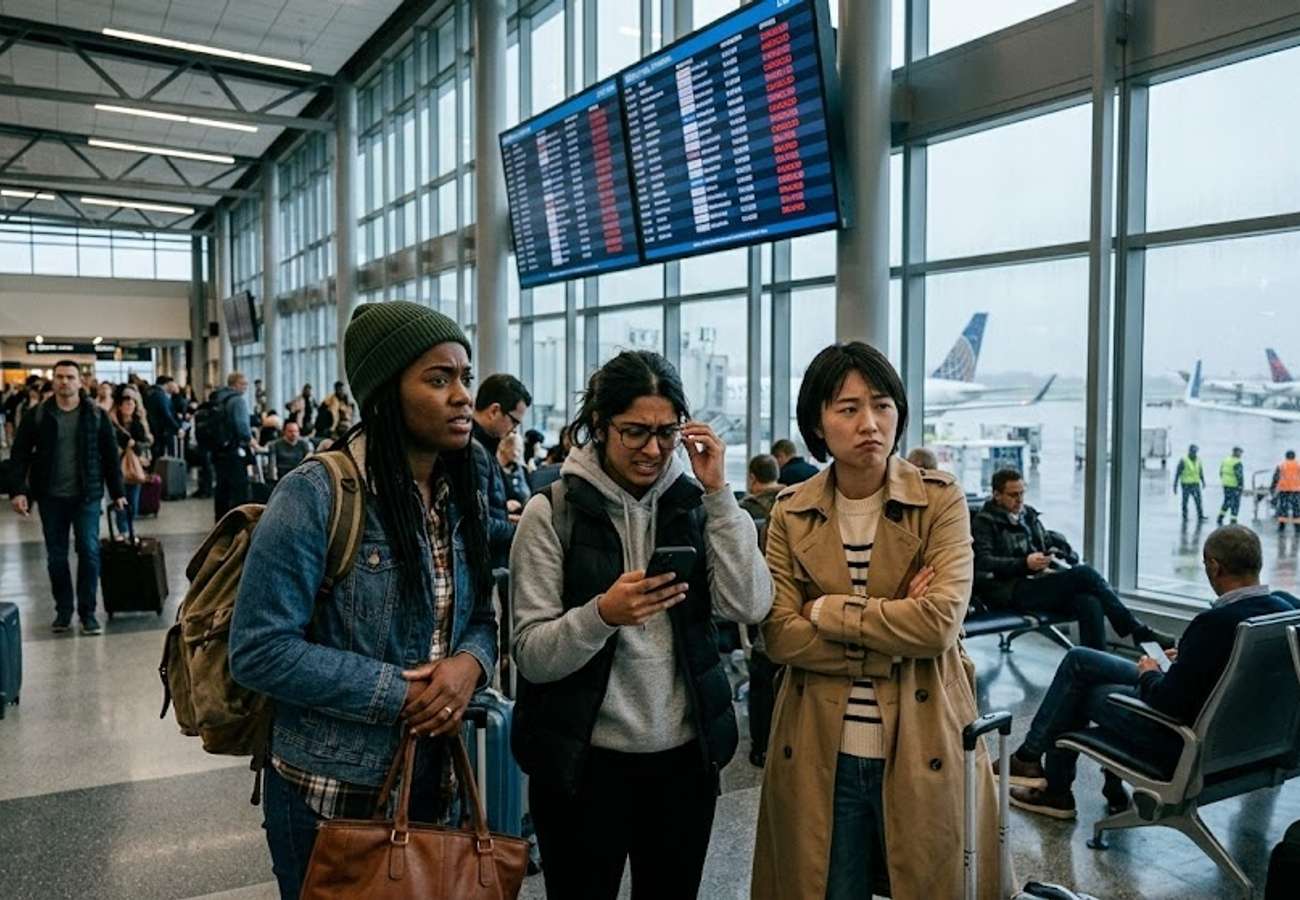
Image generated by AI
Factual/News: Delta Air Lines Pilot Assists Ground Crew with Luggage Loading at Hartsfield-Jackson International Airport During July 2026 Operational Crisis
Curiosity-Gap: A Rare Act of Leadership: Why a Delta Captain Stepped Out of the Cockpit to Handle Baggage During Mass Cancellations
Problem-Solving: Navigating Flight Disruptions at Delta Hubs: Lessons from the Hartsfield-Jackson Operational Collapse
A Delta Air Lines captain has gone viral after abandoning the cockpit to manually load passenger luggage at Hartsfield-Jackson International Airport. The act occurred during a period of severe operational instability that saw most Delta flights canceled across major U.S. hubs.
Operational Collapse at Major Delta Hubs
The aviation sector recently witnessed significant volatility as Delta Air Lines faced a series of systemic failures. The airline was forced to cancel the majority of its worldwide flights following urgent travel warnings issued for its primary operational centers. The affected hubs included:
- Atlanta: Hartsfield-Jackson International Airport (ATL)
- New York City: LaGuardia (LGA), John F. Kennedy International (JFK), and Newark-Liberty (EWR)
Amidst this chaos, a video circulating on Instagram captured a pilot at the Hartsfield-Jackson hub assisting the ramp crew. The footage shows the captain carefully loading bags into the aircraft cargo hold—a task typically reserved for ground handling agents. This intervention occurred during a window of hundreds of last-minute cancellations, where staffing shortages and mounting pressure on ground crews had reached a critical point.
Transit Impact and Personnel Roles
The incident highlights the stark divide between standard aviation job descriptions and the reality of "all-hands-on-deck" crisis management. While pilots are responsible for the safe operation of the aircraft, the loading of luggage is the domain of ramp agents.
| Role | Standard Responsibility | Crisis Action (Observed) |
|---|---|---|
| Captain/Pilot | Flight deck operations & navigation | Manual luggage loading & ground support |
| Ramp Agent | Baggage handling & aircraft loading | Managing overflow during staffing shortages |
| Gate Agent | Passenger boarding & ticketing | Managing rebookings during mass cancellations |
Traveler Logistics Guide: Navigating Hub Disruptions
From a ground-level perspective, the best way to navigate a systemic hub collapse—such as the one experienced at Hartsfield-Jackson—is to move beyond the gate agent's desk. When thousands of passengers are affected simultaneously, digital channels often outperform physical queues.
1. Digital Transit Policies & Tools Utilize the airline's mobile app for real-time rebooking rather than waiting in line. In the U.S., ensure your contact information is updated in the airline's profile to receive automated SMS alerts regarding gate changes or cancellations.
2. Optimal Connection Buffers When routing through high-traffic hubs like ATL or JFK during peak summer months or operational crises, a minimum connection time (MCT) of 3 hours is recommended. This provides a buffer for luggage transfers, which are often the first point of failure during staffing shortages.
3. Customs and Security Efficiency For those transiting through major hubs, leverage biometric identifiers (such as TSA PreCheck or Global Entry) to minimize time spent in security queues, allowing more time to coordinate with airline staff if a flight is delayed.
4. Handling Baggage in Crisis As seen in the Hartsfield-Jackson incident, ground crews can become overwhelmed. Travelers are advised to:
- Use hard-shell luggage with distinct identifiers to speed up manual sorting.
- Avoid checking bags for short-haul flights during known operational instability.
- Keep a "survival kit" in a carry-on, including chargers and basic toiletries, in case of baggage misrouting.
Infrastructure and Connectivity Assessment
The reliance on a few "super-hubs" creates a single point of failure for global transit networks. When Hartsfield-Jackson or JFK experiences a shutdown, the ripple effect disrupts connectivity across entire continents. This incident underscores the necessity for "cross-functional" training among airline staff. The pilot's ability to step into a ramp role suggests that versatility in personnel is the only effective hedge against extreme staffing shortages.
Furthermore, the public reaction to the pilot's humility indicates a growing demand for transparency and empathy in aviation service. As passengers face increasing volatility in flight schedules, the "human element" of service becomes a primary driver of brand loyalty.
A reminder that aviation is a human-operated system; patience during systemic failures is the only way to ensure safety and efficiency for all.
Related Travel Guides
Disclaimer
This article is for informational and educational purposes only. It does not constitute legal, financial, or professional advice. While we strive to provide accurate and up-to-date information, travel policies, regulations, and conditions change rapidly. Always verify information with official sources before making travel decisions. Nomad Lawyer makes no representations about the accuracy, reliability, completeness, or suitability of the information provided. Readers should consult qualified professionals for advice specific to their circumstances. The views expressed in this article are those of the author and do not necessarily reflect the views of Nomad Lawyer.
Kunal K Choudhary
Co-Founder & Contributor
A passionate traveller and tech enthusiast. Kunal contributes to the vision and growth of Nomad Lawyer, bringing fresh perspectives and driving the community forward.
Learn more about our team →