
Delta Air Lines Flight DL360 from Washington to Atlanta Diverts to Charlotte After Severe Weather on 16 July 2026
Delta Air Lines flight DL360 diverted to Charlotte Douglas International Airport on 16 July 2026 due to severe convective weather blocking arrival paths into Atlanta.

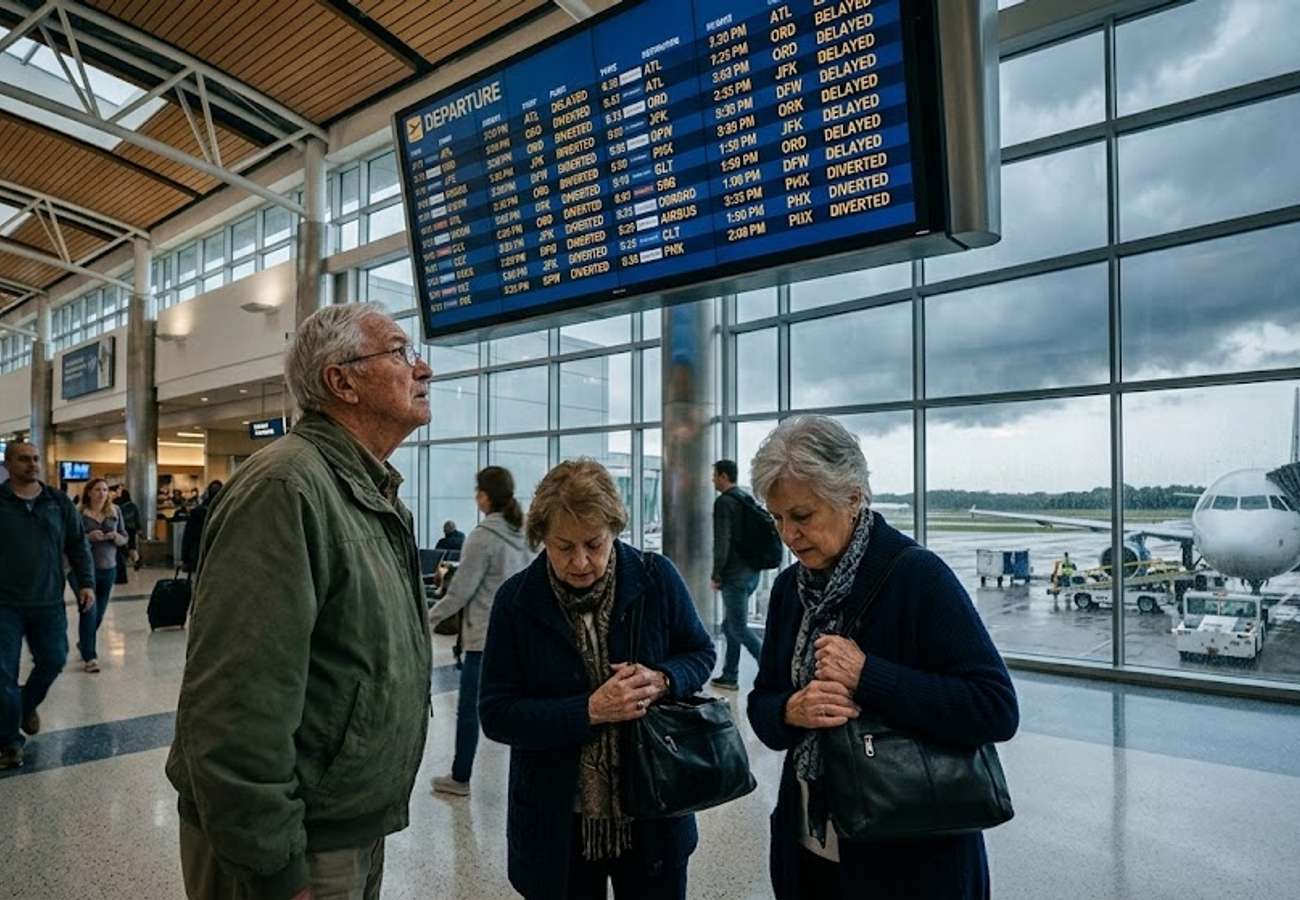
Image generated by AI
Delta Air Lines flight DL360, traveling from Washington D.C. to Atlanta, was forced to divert to Charlotte, North Carolina, on 16 July 2026. The diversion was triggered by a massive storm network that blocked primary arrival routes into Georgia.
The disruption occurred during a turbulent summer afternoon on the Eastern Seaboard. Flight crews and ground dispatchers determined that the developing storm cells over the Atlanta metropolitan area posed a safety risk, necessitating an immediate route change to ensure a stable arrival.
Flight and Airport Impact Breakdown
Our analysis of the operational data confirms the following specifics regarding the diversion:
- Flight Number: DL360
- Aircraft Model: Airbus A319
- Aircraft Registration: N323NB
- Departure Point: Washington Reagan National Airport (DCA)
- Intended Destination: Atlanta, Georgia (ATL)
- Diversion Point: Charlotte Douglas International Airport (CLT)
- Date of Incident: 16 July 2026
- Primary Cause: Severe convective weather and storm cells blocking arrival pathways.
Passenger Rights and Advisory
When a flight is diverted due to weather, passengers are governed by the airline's contract of carriage and U.S. Department of Transportation (DOT) guidelines. Because severe weather is classified as an "act of nature" or an uncontrollable event, the following protocols typically apply:
Rebooking and Transportation The carrier is legally obligated to transport passengers to their final ticketed destination as soon as safe operations resume. This is usually handled via:
- "Gas and Go": Refueling the aircraft and continuing to the destination once weather clears.
- Rebooking: Transferring passengers to the next available commercial flight.
Compensation and Care Under current DOT guidelines for domestic flights, airlines are generally not required to provide complimentary hotel accommodations or meal vouchers for weather-related diversions. However, passengers should verify the following:
- Controllable vs. Uncontrollable: If the diversion were caused by mechanical failure or crew scheduling (controllable), passengers would be entitled to comprehensive ground care, including lodging and meals.
- Baggage Access: If a flight is cancelled at the diversion airport, ground handlers must offload bags for passenger retrieval. If the flight is merely delayed, bags typically remain secured on the aircraft.
Actionable Steps for Travelers
- Check Mobile Apps: Use the airline's real-time notification system to view updated itineraries and avoid long terminal queues.
- Document Expenses: If you believe the diversion was due to a controllable factor, keep all receipts for food and lodging to claim reimbursement.
- Confirm Connections: If you missed a connecting flight in Atlanta, immediately verify your new boarding pass via the airline's automated rebooking engine.
Industry Analyst View
The diversion of DL360 highlights the persistent operational volatility of the Eastern Seaboard during summer storm seasons. From an analytical perspective, the decision to divert to Charlotte rather than entering a fuel-consuming holding pattern in Atlanta reflects a conservative risk management strategy.
Charlotte Douglas International Airport (CLT) serves as a critical tactical sanctuary due to its robust runway capacity and infrastructure, capable of handling the Airbus A319 efficiently. This incident underscores the high level of coordination required between cockpit crews, regional air traffic control, and central dispatch to maintain legal separation in congested airspace during emergency rerouting.
Safety protocols in commercial aviation consistently prioritize risk mitigation over schedule adherence.
Related Travel Guides
Disclaimer
This article is for informational and educational purposes only. It does not constitute legal, financial, or professional advice. While we strive to provide accurate and up-to-date information, travel policies, regulations, and conditions change rapidly. Always verify information with official sources before making travel decisions. Nomad Lawyer makes no representations about the accuracy, reliability, completeness, or suitability of the information provided. Readers should consult qualified professionals for advice specific to their circumstances. The views expressed in this article are those of the author and do not necessarily reflect the views of Nomad Lawyer.
Raushan Kumar
Founder & Lead Developer
Full-stack developer with 11+ years of experience and a passionate traveller. Raushan built Nomad Lawyer from the ground up with a vision to create the best travel and law experience on the web.
Learn more about our team →