
Delta Air Lines Flight DL1349 Airbus A321 Diverts from Fort Myers to Tallahassee International Airport in July 2026
Delta Air Lines Flight DL1349, an Airbus A321-211 traveling from Fort Myers to Atlanta, diverted to Tallahassee International Airport on July 18, 2026, prioritizing safety protocols.

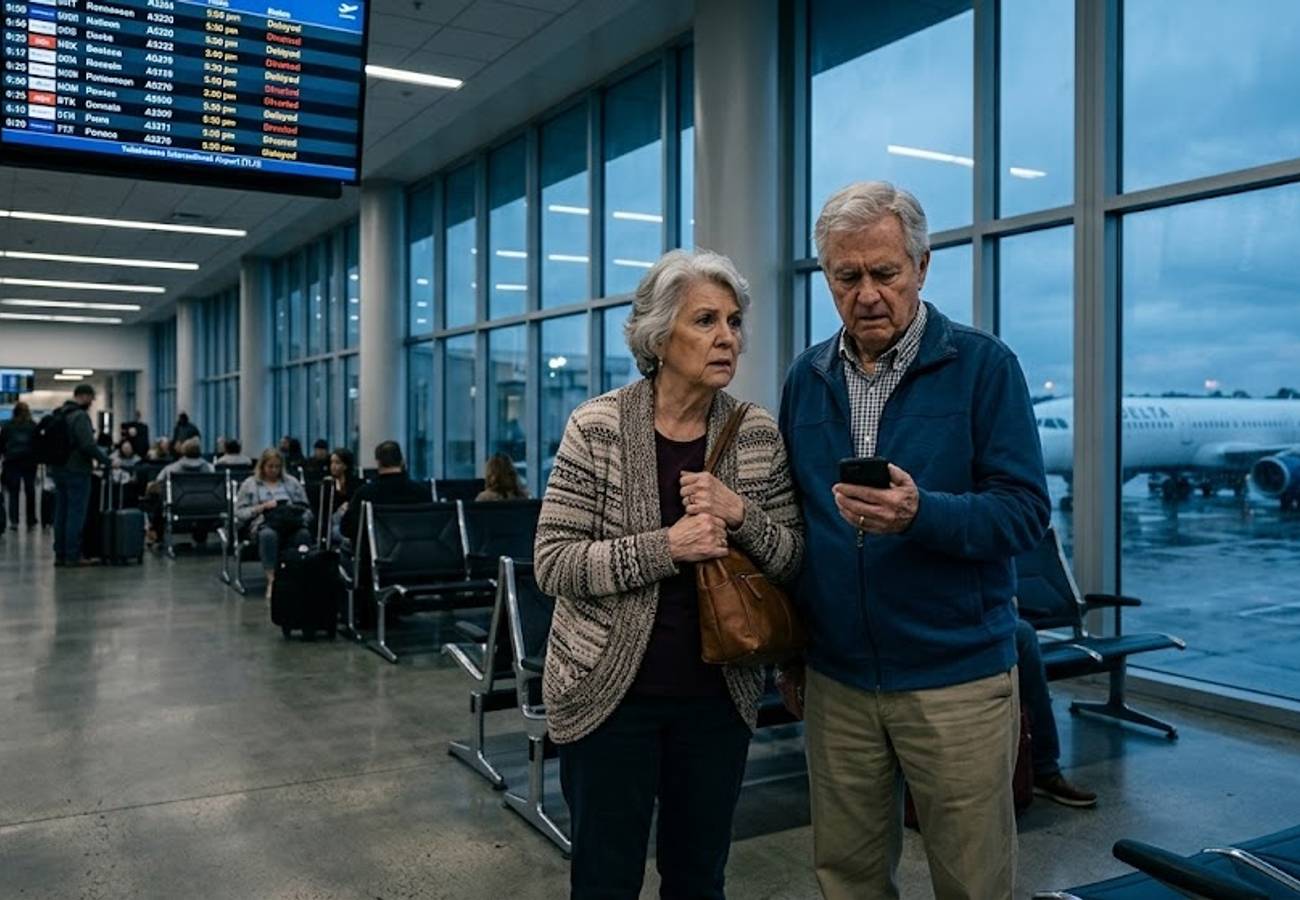
Image generated by AI
Delta Air Lines Flight DL1349, operated by an Airbus A321-211, diverted to Tallahassee International Airport during its scheduled transit from Fort Myers to Atlanta on July 18, 2026.
The diversion occurred after the aircraft departed Southwest Florida International Airport (RSW). While the flight was intended to terminate at Hartsfield-Jackson Atlanta International Airport (ATL), operational decisions led the flight crew to land at Tallahassee International Airport (TLH) at approximately 8:30 PM EDT. All passengers disembarked safely, and no injuries were reported.
Operational Details of Flight DL1349
The aircraft involved in the diversion was an Airbus A321-211, registered as N122DN. Although Delta Air Lines has not released a specific public statement detailing the exact trigger for the route change, aviation protocols dictate that diversions are executed based on a real-time evaluation of safety parameters. These parameters typically include sudden weather shifts, technical aircraft indications, or air traffic control mandates.
The decision to divert rests with the flight captain, who coordinates with airline dispatch and air traffic controllers to select the safest alternate airport. In this instance, Tallahassee was identified as the optimal location for the aircraft to land and for passengers to be processed.
Flight Route and Diversion Specifications
| Parameter | Flight Detail |
|---|---|
| Flight Number | DL1349 |
| Aircraft Model | Airbus A321-211 |
| Registration | N122DN |
| Origin Airport | Fort Myers (RSW) |
| Intended Destination | Atlanta (ATL) |
| Diversion Airport | Tallahassee International Airport (TLH) |
| Landing Time | Approximately 8:30 PM EDT |
| Date of Incident | July 18, 2026 |
Traveler Logistics Guide: Navigating Flight Diversions
When a commercial flight is diverted, passengers enter a state of operational limbo. Understanding the logistics of these events can reduce stress and ensure a faster return to the original itinerary.
Immediate Actions Upon Landing Once the aircraft parks at the alternate gate, passengers should prioritize communication with the airline's ground staff. In the case of DL1349, Delta representatives were tasked with organizing onward travel, which may include:
- Re-routing: Booking the next available flight to the original destination.
- Ground Transit: Arranging shuttle services or buses if the distance to the destination is manageable.
- Accommodations: Providing hotel vouchers if the diversion occurs late in the evening, preventing overnight transit.
Ticketing and Documentation Travelers should retain all original boarding passes and request written confirmation of the diversion from the airline. This documentation is essential for insurance claims regarding missed connections or unexpected lodging expenses.
Optimal Layover and Connection Planning To mitigate the impact of such diversions on a broader itinerary, logistics consultants recommend:
- Buffer Zones: Maintain a minimum 3-hour window for domestic connections and 6 hours for international transfers.
- Digital Transit Tools: Use real-time tracking apps to monitor aircraft registration (e.g., N122DN) to identify potential delays before they are officially announced at the gate.
Infrastructure and Safety Impact Assessment
The diversion of DL1349 underscores the efficacy of the "Alternate Airport" planning system mandated by aviation authorities. Every commercial flight plan includes designated alternates that are vetted for runway length, emergency services, and fuel availability.
From a regional connectivity perspective, the ability of Tallahassee International Airport to absorb a diverted narrow-body aircraft like the Airbus A321 without disrupting other scheduled traffic demonstrates the resilience of secondary US airport infrastructure. This capability is a critical component of the National Airspace System (NAS), ensuring that safety-critical decisions do not result in systemic gridlock.
The use of advanced onboard monitoring and constant communication with Operations Control Centers (OCC) allows modern crews to act proactively. By diverting to Tallahassee rather than attempting to push through to Atlanta under suboptimal conditions, the crew adhered to the industry-standard "safety-first" mandate, preventing a minor operational anomaly from escalating into a critical incident.
Safety protocols in modern aviation ensure that a diversion is a controlled success rather than an operational failure.
Related Travel Guides
Disclaimer
This article is for informational and educational purposes only. It does not constitute legal, financial, or professional advice. While we strive to provide accurate and up-to-date information, travel policies, regulations, and conditions change rapidly. Always verify information with official sources before making travel decisions. Nomad Lawyer makes no representations about the accuracy, reliability, completeness, or suitability of the information provided. Readers should consult qualified professionals for advice specific to their circumstances. The views expressed in this article are those of the author and do not necessarily reflect the views of Nomad Lawyer.
Kunal K Choudhary
Co-Founder & Contributor
A passionate traveller and tech enthusiast. Kunal contributes to the vision and growth of Nomad Lawyer, bringing fresh perspectives and driving the community forward.
Learn more about our team →