
Delta Air Lines Flight DAL2204 Diverts to Augusta Regional Airport
Delta Air Lines flight DAL2204, a Boeing 757-232 scheduled from Orlando to Atlanta, diverted to Augusta Regional Airport on August 4, 2026.

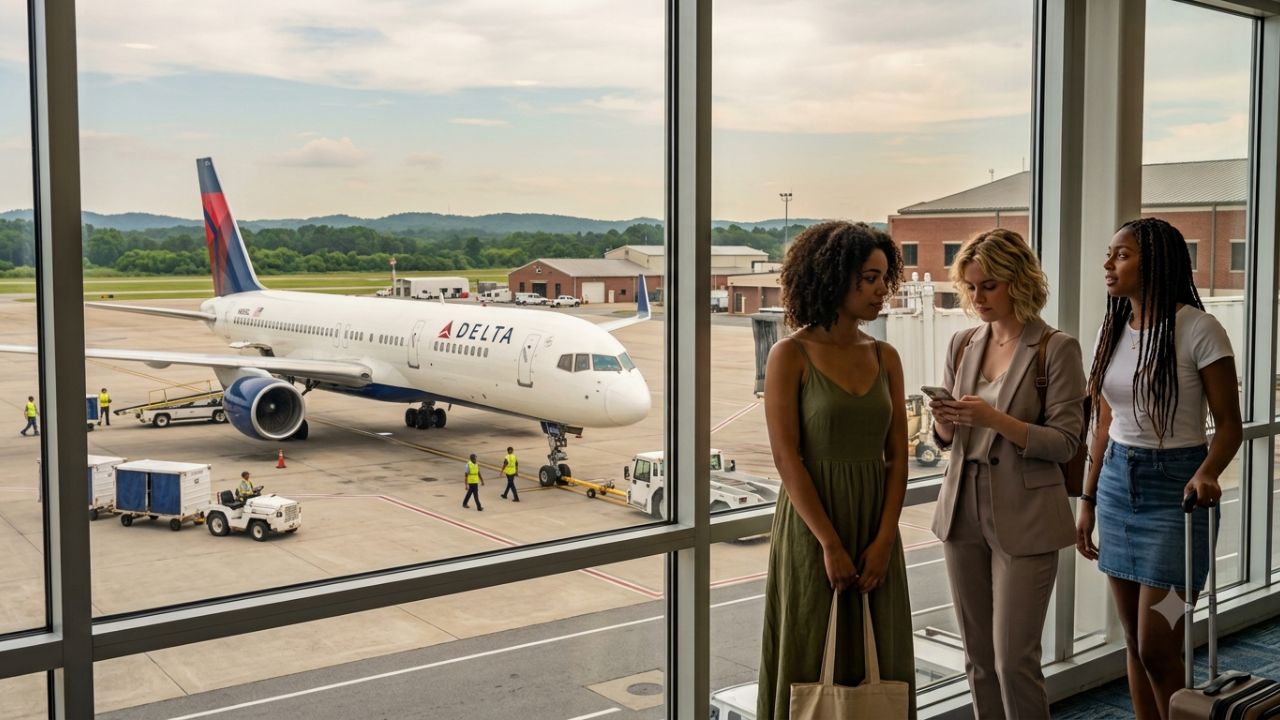
Image generated by AI
Delta Air Lines Flight DAL2204, operating from Orlando to Atlanta on August 4, 2026, diverted to Augusta Regional Airport in Georgia. The Boeing 757-232 aircraft subsequently resumed its journey and arrived at its original destination, Hartsfield-Jackson Atlanta International Airport.
Flight Disruption: Delta Flight DAL2204 Diverted to Augusta
The domestic aviation corridor between Florida and Georgia is one of the busiest in the United States, connecting major tourism hubs with global transit centers. Passengers aboard Delta Air Lines Flight DAL2204 on August 4, 2026, experienced a departure from their scheduled flight path when their aircraft diverted to Augusta Regional Airport.
The flight was operating from Orlando International Airport (MCO) to Hartsfield-Jackson Atlanta International Airport (ATL), a short and routine flight route that typically takes just over an hour. The aircraft departed Orlando at approximately 10:05 before flight-tracking records indicated an unscheduled turn toward Augusta.
Aviation tracking logs confirmed that the aircraft landed safely at Augusta Regional Airport, creating an unexpected interruption to the domestic connection. While the diversion was recorded, flight data shows that the aircraft subsequently departed Augusta and continued its flight to Atlanta later that afternoon. For the traveler, the real impact was a delay in schedule, but the safe execution of the flight remains a testament to the responsiveness of air traffic control and ground operators, ensuring that all operations conform to federal safety regulations.
Technical Specifications: The Boeing 757-232 and Fleet Integrity
The aircraft operating Flight DAL2204 was a Boeing 757-232, registered in the United States as N688DL. The Boeing 757 family has long served as a key component of domestic fleet operations, valued by airlines for its range, engine performance, passenger capacity, and ability to operate from variety of runways.
Delta Air Lines operates a significant fleet of Boeing 757-200 series aircraft, deploying them on high-density domestic routes as well as selected transcontinental and international sectors. The model's climb performance makes it highly suited for flights departing busy Florida airports, where rapid altitude acquisition is helpful for route management.
While the aircraft's registration and model are documented, the specific technical performance of the Boeing 757-232 during Flight DAL2204 does not provide evidence of the underlying cause of the diversion. Modern commercial aircraft are equipped with multiple redundant systems, allowing crews to continue operations or make precautionary landings safely whenever an operational need arises. Within Delta's fleet, the B757 has maintained a robust safety profile over decades of domestic service, making it a reliable workhorse for regional operations.
Operations and Safety: Diverting to Alternative Regional Airports
A flight diversion represents a standard operational procedure rather than an emergency. Flight crews make the decision to land at an alternative airport for a wide variety of reasons, including regional weather conditions, air traffic control congestion at the destination, minor technical adjustments, or passenger medical needs.
In the case of Flight DAL2204, publicly available tracking information did not indicate whether the crew declared an emergency or made a precautionary operational landing. Augusta Regional Airport serves as a key alternative landing field in eastern Georgia, providing full runway services and ground support facilities capable of handling commercial passenger jets like the Boeing 757.
Landing at a regional facility allows the airline's dispatchers and flight crew to assess operational variables before deciding to resume the flight. Because Augusta lies along the flight path between Orlando and Atlanta, it represented a practical intermediate stop that minimized additional flight time. It also highlights the close cooperation between regional air traffic controllers and commercial airline dispatchers during dynamic route changes.
Passenger Impacts: Managing Scheduled Route Disruptions
Unscheduled flight disruptions can create significant logistical challenges for passengers, particularly those with connecting flights at Hartsfield-Jackson Atlanta International Airport. As one of the world's busiest airports, Atlanta serves as a major gateway for onward domestic and international travel.
When a flight is diverted, passengers may face delays affecting their arrival times, ground transportation arrangements, and subsequent hotel bookings. Delta Air Lines' gate agents and ground staff coordinate rebooking services and passenger accommodations whenever a schedule change results in missed connections.
In this instance, the subsequent flight leg from Augusta to Atlanta indicates that the delay was temporary and that the aircraft remained operational. However, individual passengers may have experienced varying degrees of disruption depending on their final destinations and onward travel plans.
Sustainable Travel: Reducing Fuel Burn and Flight Planning
From a sustainable travel perspective, managing unscheduled flight paths efficiently is important for reducing carbon emissions and minimizing fuel burn. Modern air traffic management systems, regulated by the Federal Aviation Administration (FAA), utilize real-time flight tracking to coordinate efficient routes and reduce delays during flight diversions.
Airlines optimize flight planning by selecting alternative airports that minimize additional mileage and fuel consumption. In this case, choosing Augusta Regional Airport as the diversion point allowed the flight crew to minimize the extra flight distance, keeping the aircraft's environmental footprint as small as possible under the circumstances.
Additionally, passengers can support sustainable aviation initiatives by choosing direct flights when available, packing light to reduce aircraft weight, and supporting airlines that invest in sustainable aviation fuel and fleet modernization.
Local Insider Guide: Augusta Travel and Regional Comfort Foods
For travelers who find themselves visiting or transiting through Augusta Regional Airport and the surrounding Savannah River region, local destination specialists suggest the following tips:
- Optimal Booking Windows: To minimize the risk of summer afternoon thunderstorm delays in the southeastern United States, book flights during the early morning hours when weather patterns are generally more stable.
- Transit Etiquette: When transiting through regional airports, keep your carry-on luggage organized and have your travel documents readily available. Regional terminals have fewer gates, which helps make security processing fast and straightforward.
- Sample Regional Cuisine: If you spend time in the Augusta area, try local dining specialties. Sample a classic pimento cheese sandwich, enjoy peach cobbler made with Georgia peaches, or try Southern-style barbecue pork at a local tavern.
- Explore Phinizy Swamp: If you experience an extended delay in Augusta, take a short taxi ride to the Phinizy Swamp Nature Park. The conservation area offers quiet boardwalk trails and excellent opportunities for viewing local wetlands and wildlife.
Aviation Outlook: The Importance of Regional Airport Networks
The diversion of Delta Flight DAL2204 highlights the critical role that regional airports play in supporting the national aviation network. Facilities like Augusta Regional Airport provide essential capacity, allowing commercial airlines to divert flights safely when weather or operational needs prevent landing at major hubs like Atlanta.
As passenger volumes continue to grow across the United States, maintaining and upgrading regional airport infrastructure remains a key priority for the Department of Transportation and local airport authorities. These upgrades ensure that smaller airports can continue to support passenger services and maintain safety standards during flight disruptions.
Ultimately, the successful resumption of Flight DAL2204 to Atlanta demonstrates the coordination between flight crews, air traffic controllers, and regional airport staff, ensuring that passengers reach their destinations safely despite unscheduled adjustments to their journeys.
Related Travel Guides
Delta Air Lines Flight DAL2325 Airbus A321 Diverted to Huntsville
Delta Air Lines Flight DAL2879 Boeing 737 Diverted to Chicago O’Hare
10 Best Ways to Deal with Flight Diversions in the US, According to Reddit
Disclaimer
This article is for informational and educational purposes only. It does not constitute legal, financial, or professional advice. While we strive to provide accurate and up-to-date information, travel policies, regulations, and conditions change rapidly. Always verify information with official sources before making travel decisions. Nomad Lawyer makes no representations about the accuracy, reliability, completeness, or suitability of the information provided. Readers should consult qualified professionals for advice specific to their circumstances. The views expressed in this article are those of the author and do not necessarily reflect the views of Nomad Lawyer.
Kunal K Choudhary
Co-Founder & Contributor
A passionate traveller and tech enthusiast. Kunal contributes to the vision and growth of Nomad Lawyer, bringing fresh perspectives and driving the community forward.
Learn more about our team →